Select, precision-engineered transceiver connectors and cages optimized for Greek telecommunications networks and data centers.
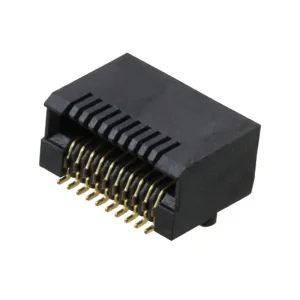
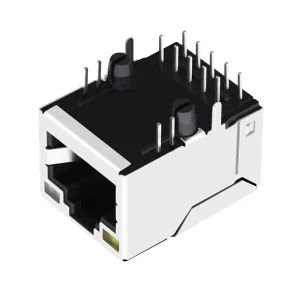
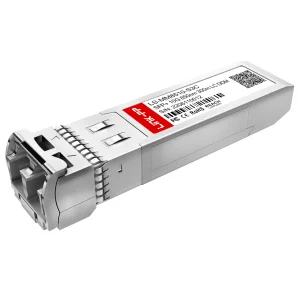
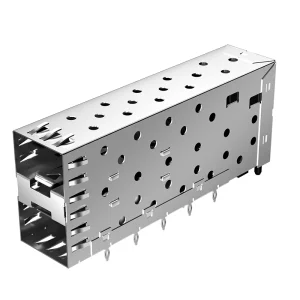
How regional cloud infrastructures, subsea fibers, and strategic maritime projects drive localized high-density connectivity demands.
In recent years, the geopolitical and technical landscape of Southern Europe has undergone a monumental shift. Greece has emerged as a key digital gateway, bridging Europe with the Middle East, Africa, and Asia. Major global technology enterprises have committed hundreds of millions of euros to build hyperscale data centers in the Attica region and northern cities like Thessaloniki. With Lamda Hellix (Digital Realty), Sparkle, and other hyperscale cloud providers investing heavily in the Greek infrastructure, the demand for highly reliable physical layer infrastructure—specifically SFP cages, optical transceivers, and high-speed network interfaces—has surged exponentially.
This digital explosion is heavily supported by massive subsea optical networks. Subsea cables landing in Crete (Chania, Heraklion) and Syros connect various trans-continental backbones. For these massive data pipelines to achieve minimal insertion loss, zero packet drop, and maximum thermal stability, local telecommunications networks require interconnect components engineered to meet the highest electrical and mechanical standards. High-density edge deployments, metropolitan 5G upgrades led by providers like OTE, Vodafone, and Nova, and the automation of major ports (Piraeus and Thessaloniki) are putting immense strain on hardware reliability.
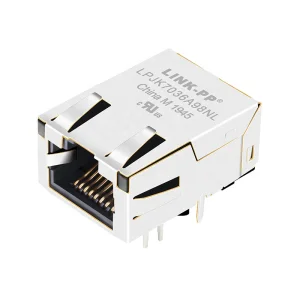
Greece’s unique geography—consisting of over 6,000 islands and thousands of kilometers of coastline—creates a challenging operating environment for networking hardware. High humidity, elevated ambient temperatures, and air containing corrosive sodium chloride (salt) present substantial degradation risks for mechanical electrical connections. SFP cages and RJ45 modules deployed in smart port terminals, offshore wind energy arrays, and island-based edge nodes must be constructed with advanced material sciences to prevent oxidation and contact point breakdown. Specifically, nickel-silver alloys, high-phosphor-bronze base metals, and gold plating thickness of up to 30u" are mandatory specifications to maintain contact integrity over years of continuous operation.
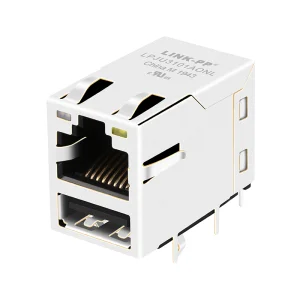
SFP cages act as the structural shield, grounding node, and thermal path for pluggable optical transceivers. SFP modules operate at high frequencies, making them susceptible to electromagnetic interference (EMI). Without strict shielding designs, stray high-frequency waves can disrupt surrounding circuits, causing significant jitter and high Bit Error Rates (BER) in optical fibers. Novafiber designs SFP cages focusing on EMI mitigation, employing outer grounding tabs, conductive elastomeric gaskets, and multi-point PCB ground pins.
Moreover, thermal dissipation is a primary concern for modern transceiver modules like SFP+ (10G), SFP28 (25G), and SFP56 (50G). These transceivers dissipate between 1.5W to over 3.5W of power. Without integrated thermal riding heatsinks and advanced venting slots built directly into the cage geometry, localized hotspots will cause laser degradation, reducing transmission distance and the module's lifespan. Novafiber’s cage portfolio incorporates copper-nickel-zinc alloys with superior thermal conductivity, ensuring quick dissipation of heat away from the optical components.
| Parameters | Standard Specifications | Premium Industrial Customization | Impact on Network Performance |
|---|---|---|---|
| Base Metal Material | Phosphor Bronze / Brass | Copper-Nickel-Zinc Alloy (Nickel Silver) | Corrosion resistance & superior spring mechanical life (10,000+ insertions) |
| EMI Shielding Options | Metal spring fingers | Conductive elastomeric gaskets & EMI springs | Reduces electromagnetic radiation by up to 25dB, keeping signals clean |
| Gold Plating thickness | 3u" - 5u" Gold flash | 15u" - 30u" Gold Pleating over Nickel | Ensures zero oxidation at contacts in humid maritime environments |
| PCB Mounting Method | SMT (Surface Mount) | Press-Fit (Elastic Eye of Needle pins) | Ensures high solder integrity & mechanical retention for dense cards |
| Thermal Range | -20°C to +70°C | -40°C to +85°C (Extended Temp Profile) | Prevents thermal drift and fiber signal loss in extreme installations |
Tailored connectivity blueprints targeting Greek shipping, municipal grids, and high-density hosting.
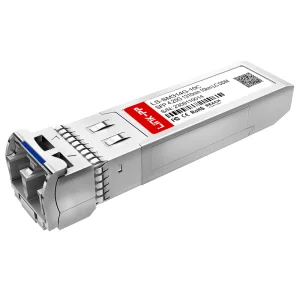
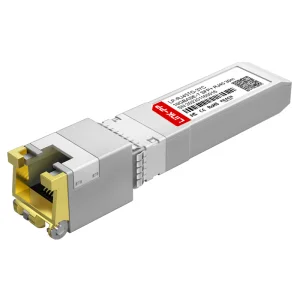
Piraeus and Thessaloniki ports represent key commercial gateways to Europe. Implementing automated terminal operating systems, high-definition video monitoring, and smart cargo tracking requires stable fiber links. High-durability 10G SFP+ copper transceivers and robust Press-Fit SFP cages prevent mechanical loose connections caused by machinery vibrations.
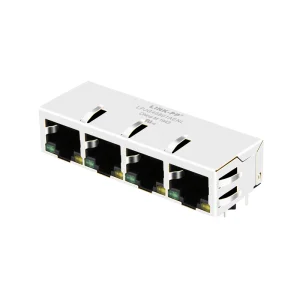
As COSMOTE, Vodafone Greece, and Nova continue rolling out fiber-to-the-home and upgrading 5G RRU/BBU infrastructure, high-density line cards must pack hundreds of optical ports into compact frames. Stacked SFP cages (2x1, 2x4, and 2x8 port densities) allow carrier engineers to maximize bandwidth per rack unit while maintaining excellent air cooling flow.
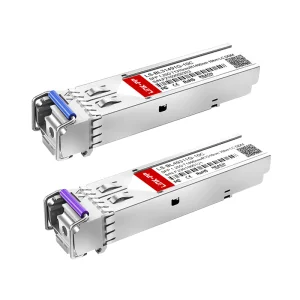
Due to tourism-driven seasonal peaks, local nodes on islands like Mykonos, Santorini, and Crete experience dramatic swings in active user count and network stress. To secure constant server uptime, system integrators employ Novafiber’s industrial-grade bidirectional LC 10G optical modules, designed to work reliably in isolated, hot conditions.
Optimized single-mode and multi-mode systems for inter-island backhaul and central exchange routing.
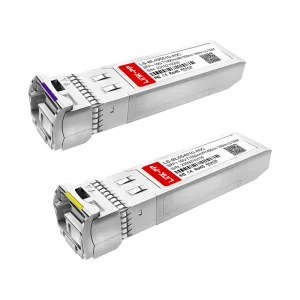
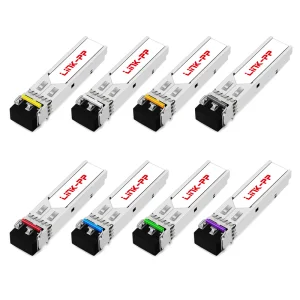
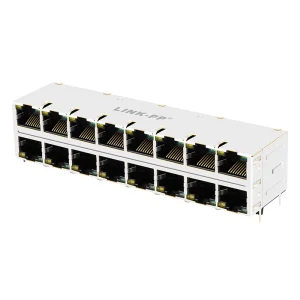
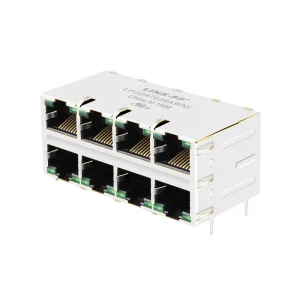
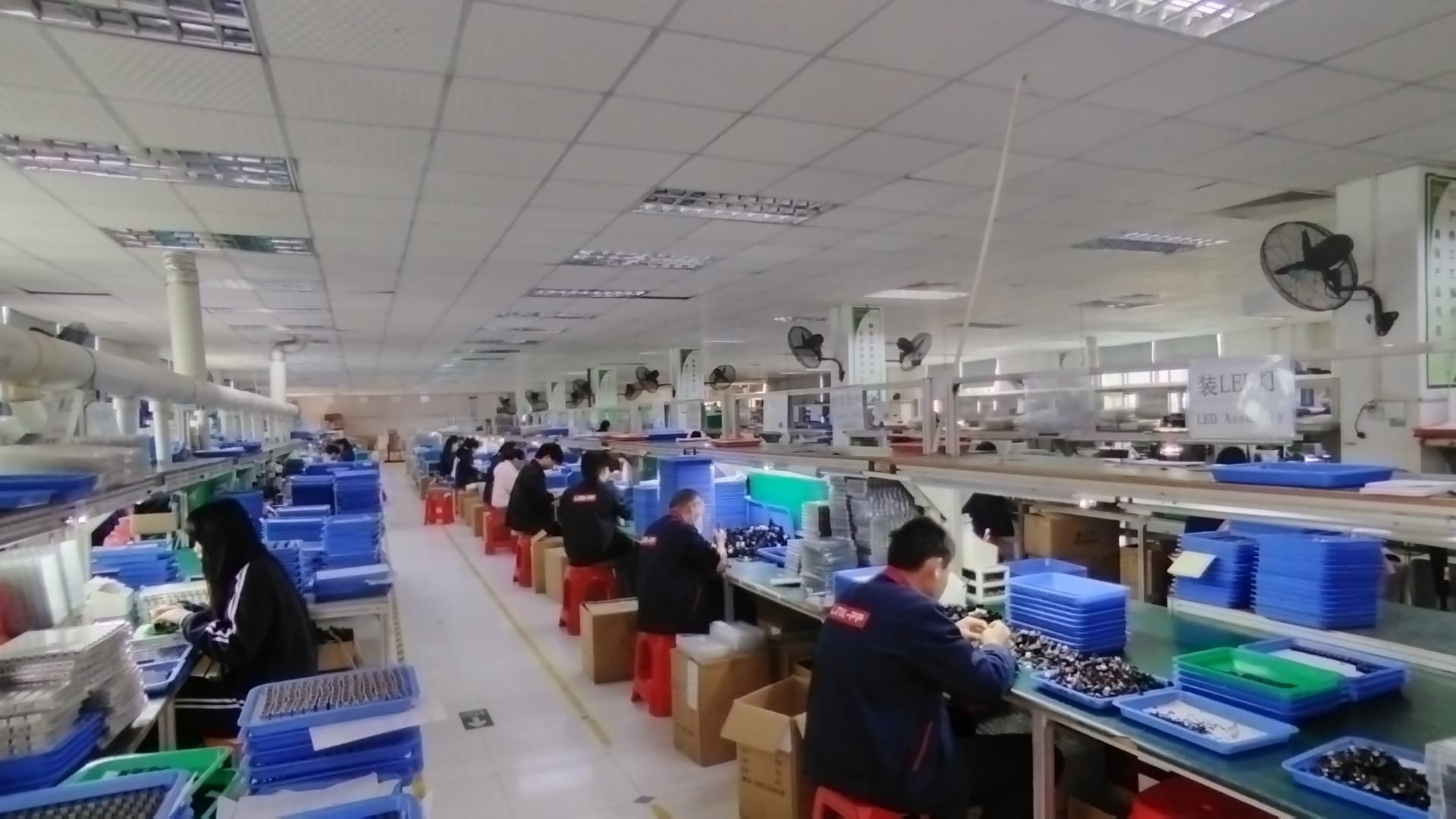
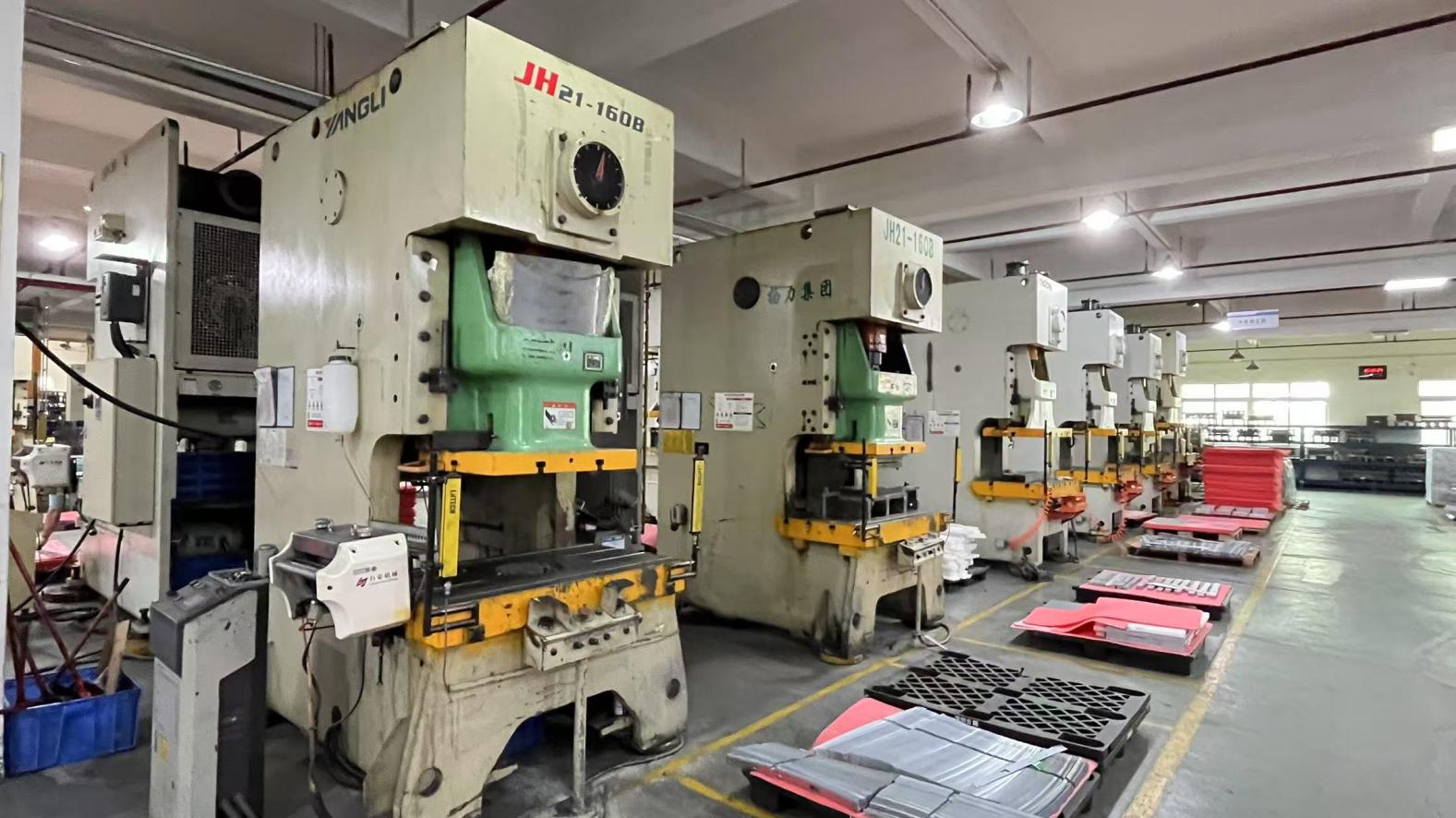
Established in 2016, Novafiber has developed strong engineering and manufacturing capabilities with a modern production facility covering approximately 420㎡. With over 9 years of industry experience and 7 years of export experience, the company has built a solid reputation in the global optical communication market. Over the years, we have scaled our global operations, generating an annual export revenue of approximately USD 8.5 million, serving customers across North America, Europe (including regional network operators in the Balkan and Aegean regions), Southeast Asia, and the Middle East.
A resilient supply chain forms the backbone of our operation, supported by more than 1,200 supply chain partners, enabling stable mass production and fast delivery. We recognize that telecommunications operators cannot afford hardware delays or batches with variable mechanical precision. Our manufacturing protocols comply strictly with IPC standards, automated optical testing, and environmental stress screening (ESS).
Our quality assurance division consists of 65 quality inspection personnel using high-end diagnostic tools to perform 100% functional testing, burn-in testing, and high-temperature aging tests. Our R&D team consists of 180 experienced engineers, supporting advanced development of high-speed optical modules. The company demonstrates strong innovation capability with 320 new product releases in the past year, covering solutions from 1G to 800G optical transceivers, DAC/AOC cables, and customized optical communication products. Novafiber offers flexible OEM/ODM services, including protocol adaptation, wavelength tuning, firmware customization, branding, and packaging solutions.


Technical answers addressing procurement, materials engineering, compliance, and custom design.
Broad portfolio of network components designed for high durability and optimal signal integrity.
 Novafiber