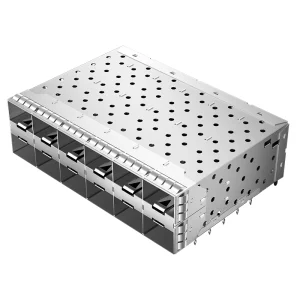
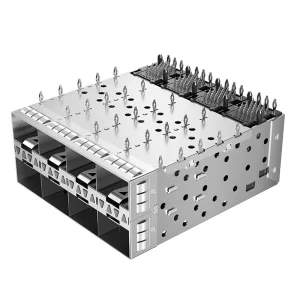
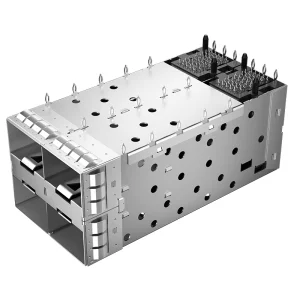
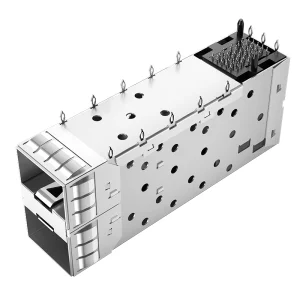
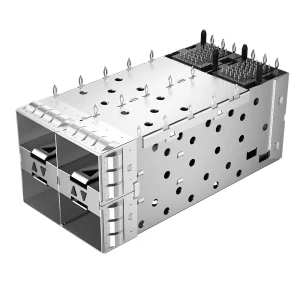
High-performance double-decker port designs optimized for tight board spaces and superior high-speed differential signal transmission.
In recent years, Hungary has positioned itself as one of Central Europe's premier industrial powerhouses. Through major foreign direct investments (FDI) and a proactive digital strategy, cities like Budapest, Debrecen, Győr, and Kecskemét are transforming into advanced technology, automotive manufacturing, and regional cloud computing clusters. This industrial digitization wave relies on a robust telecommunications backbone and highly integrated local compute hubs.
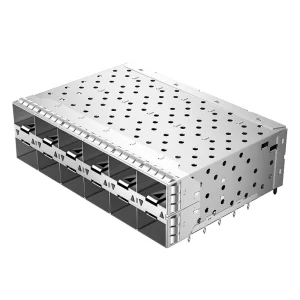
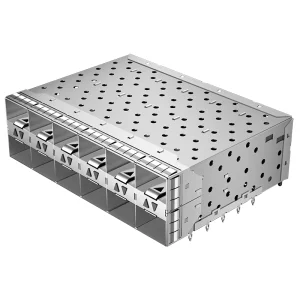
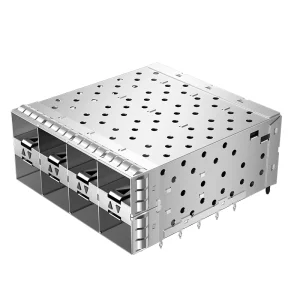
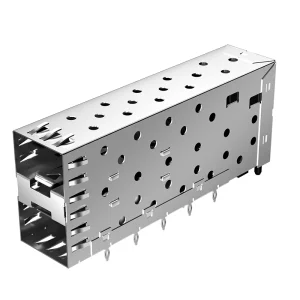
From Audi’s massive powertrain facilities in Győr to BMW's new all-electric production facility in Debrecen, the automated assembly floors of Hungary demand ultra-reliable, real-time industrial communication networks. Industry 4.0 applications—such as synchronized robotic assembly lines, AGVs (Automated Guided Vehicles), and vision inspection systems—rely heavily on Gigabit Ethernet and high-speed switches. stackable 2xN SFP+ and SFP28 cages enable system design engineers to pack maximum port densities into space-constrained industrial control cabinets, supporting up to 25 Gbps per lane without expanding the hardware footprint.
Concurrently, telecom operators in Hungary, including Magyar Telekom, Yettel, and Vodafone, are rolling out extensive 5G network infrastructures. This deployment necessitates upgrading Edge computing stations and Central Offices. In Budapest, the demand for local server farms has risen to satisfy latency requirements for regional logistics and digital banking services. Using 2xN stacked port designs (ranging from 2x1 up to 2x8 port densities) allows system integrators to double routing throughput in data center racks while maintaining robust electromagnetic compatibility (EMI) suppression in high-density rack configurations.
When selecting 2xN (stacked) SFP+, SFP28, or zQSFP+ cages, design engineers must navigate severe physical constraints: signal integrity, EMI mitigation, thermal dissipation, and structural robustness during press-fit installation. Below is the technical roadmap showing how Novafiber addresses these challenges.
Our 2xN cages utilize high-reliability Press-Fit (compliant pin) technology. Unlike traditional soldering (Through-Hole reflow), compliant pins create an elastic, gas-tight mechanical joint with the PCB through-holes. This eliminates thermal stresses during soldering and enables easier motherboard rework or field servicing. Crucially, our compliant-pin geometry is engineered to reduce pin stub resonance, protecting high-frequency signals against signal distortion (reflections) up to 28 Gbps PAM4.
High-speed networking systems operating at multi-gigabit speeds emit significant electromagnetic radiation. To prevent EMI leakage and crosstalk between upper and lower port columns, Novafiber's 2xN cages feature:
Stacking transceiver modules vertically doubles the thermal load per unit of linear card width. In a 2x6 stacked port configuration, twelve modules operating at 1.5W to 3.5W each generate up to 42W of heat in a tiny area. Novafiber designs custom heatsink attachments and integrated ventilation openings on the cage body. Furthermore, to allow system status monitoring without compromising board layout, our cages integrate light pipes (either round or square profile) that route light from board-mounted LEDs straight to the front bezel of the port.
Years of Industry Experience
Supply Chain Partners
Experienced R&D Engineers
New Products Released Annually
Modern global supply chains require more than just component manufacturing. They demand comprehensive solutions addressing scalability, mechanical compatibility, and multi-year supply guarantees. Novafiber delivers targeted packages across primary industrial verticals:
As cloud architectures transition from 100G to 400G and 800G, the physical layer must support high-density interconnects. Our stacked zSFP+ and zQSFP+ cages are direct drop-in replacements for leading industry standards (compatible with TE Connectivity, Molex, and Amphenol). By maintaining footprint compatibility, network hardware suppliers in Hungary can seamlessly upgrade existing switch designs to support SFP28/SFP56 speeds without a complete board layout redesign.
Edge nodes deployed along Hungarian motorways or within factory floors encounter wide operating temperatures and vibration. Our press-fit cages feature high retention force and gas-tight contacts that resist thermal cycling and physical vibrations, ensuring long-term connection reliability in harsh environments.
Telecom infrastructure demands zero-downtime performance. With our integrated light pipe designs, engineers gain direct visual diagnostics of link statuses. Built with copper alloy materials, our contacts provide low resistance and high mating durability (rated for up to 100 mating cycles), reducing field-maintenance overhead for long-term carrier deployments.
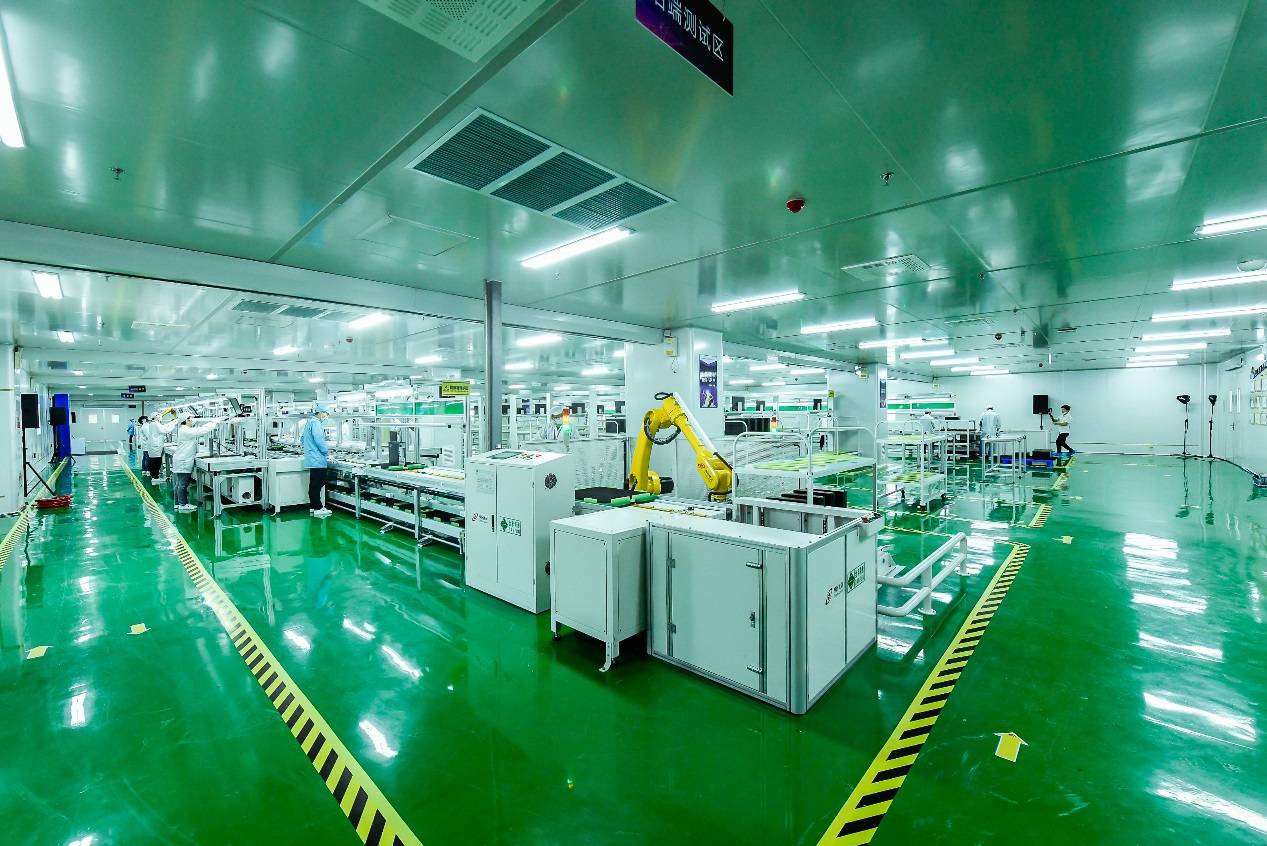
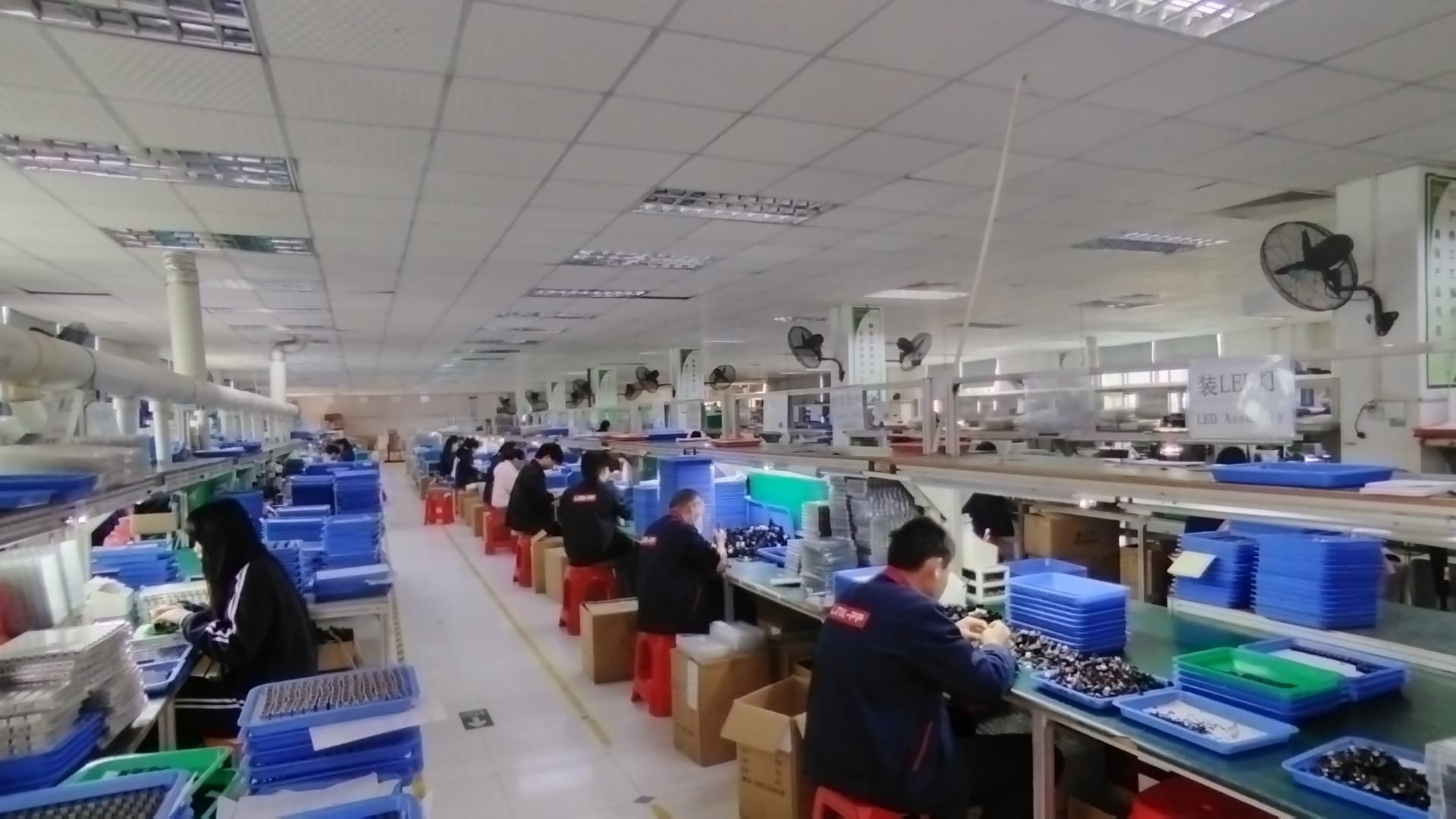
Novafiber is a leading optical transceiver and structural high-speed interconnect manufacturer. Operating out of our state-of-the-art production facility, we blend advanced manufacturing techniques with cost efficiency to serve global buyers.
Strategic Manufacturing Capability: Founded in 2016, our facility is optimized for precision manufacturing. Backed by 180 expert R&D engineers, we design and produce high-performance connector housings and cages. Our R&D team's focus on innovation led to 320 new product releases in the past year, keeping our partners aligned with fast-moving technological standards.
We believe that product quality is the cornerstone of trust. Our manufacturing processes adhere to the highest international criteria:
We export approximately USD 8.5 million in networking hardware annually across Europe, North America, and the Middle East. For Hungarian buyers, we provide tailored logistics paths, offering DDP (Delivered Duty Paid) shipping to major Hungarian airports or logistics hubs. This simplifies customs clearance and ensures delivery directly to your facility.
All products fully comply with European CE, RoHS-2, and REACH environmental standards.
Custom light pipe shapes, housing modifications, and tailor-made heatsink fins matching your PCB layout.
Express air shipments to Budapest (BUD) with priority production runs for urgent assembly deadlines.
Select from our range of 2x1, 2x2, 2x4, 2x5, 2x6, and 2x8 port configurations compatible with major global standards.
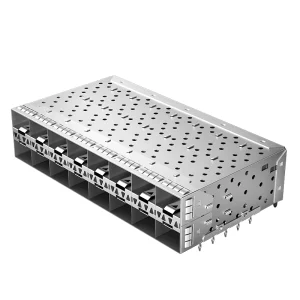
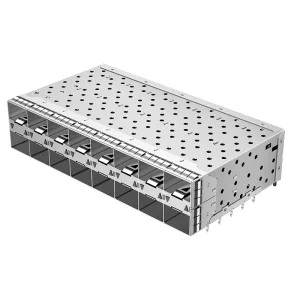
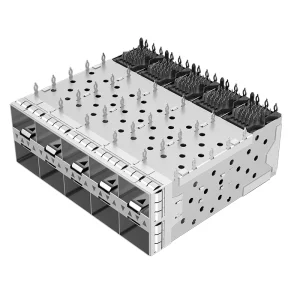
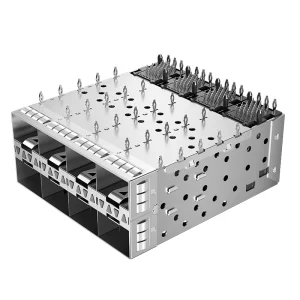
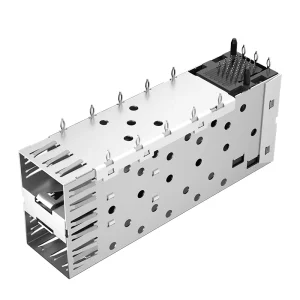
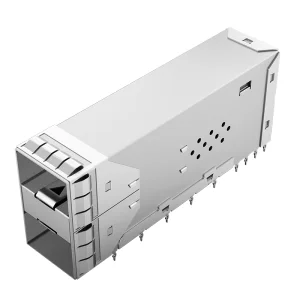
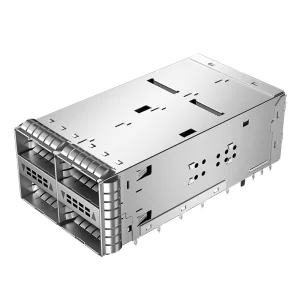
Critical engineering and sourcing answers for interconnect system architects.
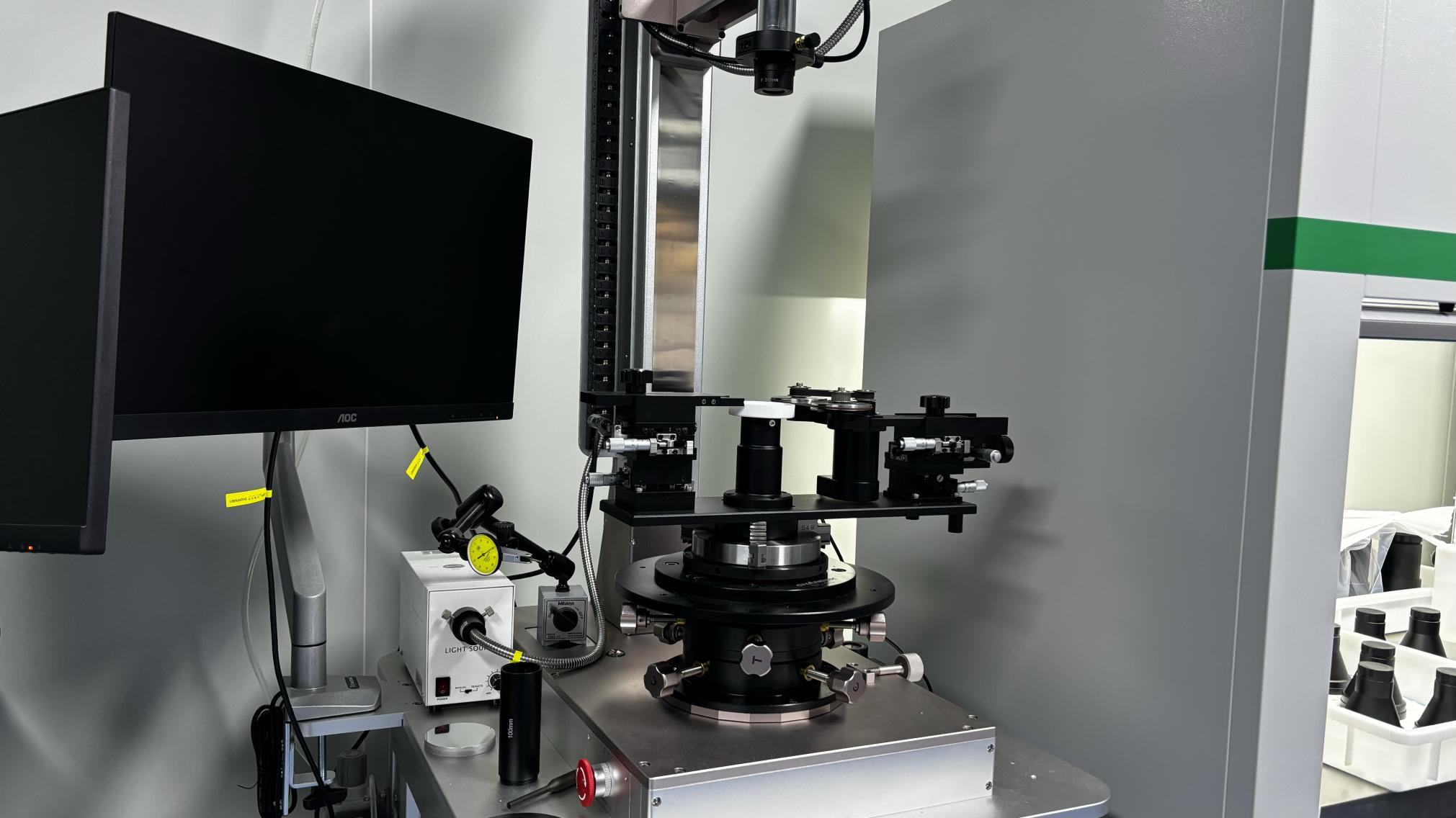
Our commitment to Quality and R&D is backed by rigorous testing. We maintain high standards for signal integrity, EMI shield grounding resistance, and contact reliability, verifying performance across environmental extremes before shipment.
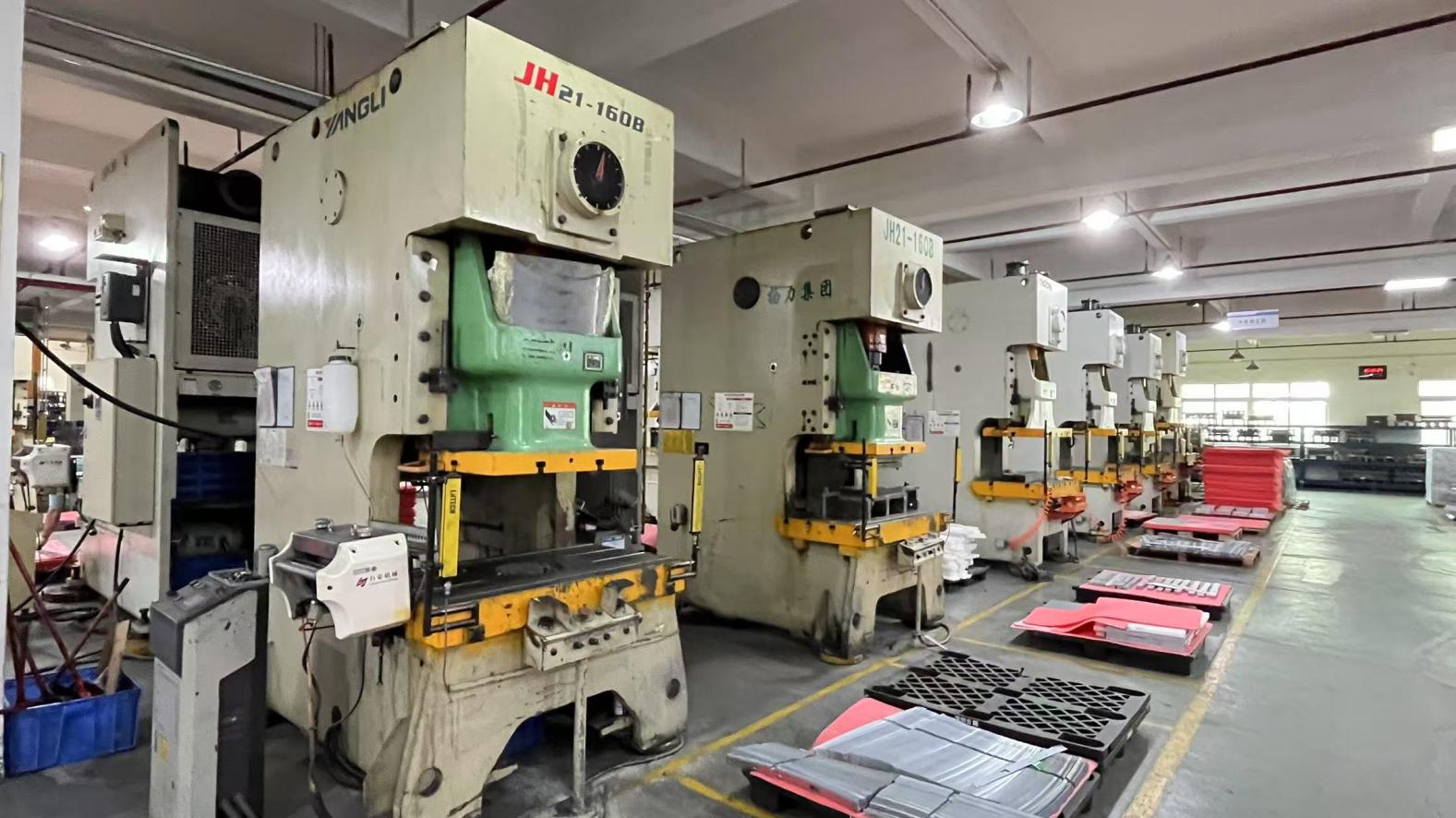
Every single product batch undergoes automated inspection to verify mechanical dimensions, pitch, and coplanarity. Compliant pins must meet precise dimensional tolerances to prevent hole damage on 16 to 24-layer PCBs. Following mechanical validation, we conduct high-frequency network analysis to verify that insertion loss and return loss comply with IEEE 802.3by standards for SFP28/ZSFP+ applications.
Talk directly with our system engineers to request 3D CAD files, electrical models (S-parameters), or pricing for your prototyping and production runs.
 Novafiber