Engineered to support up to SFP28/28Gbps transmission speeds, featuring advanced EMI suppression and heat dissipation designed for rugged environmental parameters.
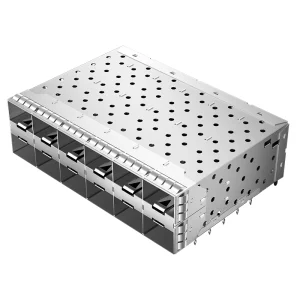
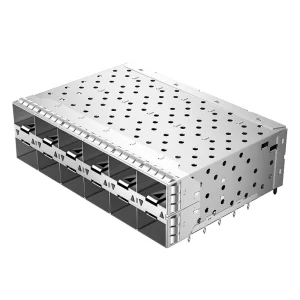
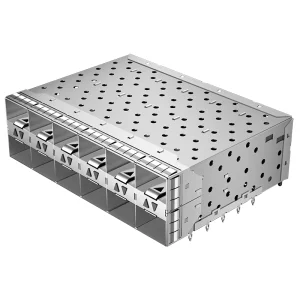
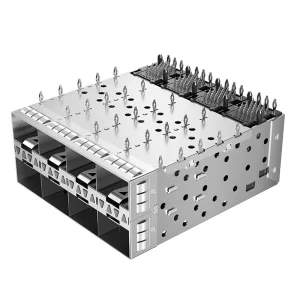
India is currently undergoing one of the fastest digital transformations globally. Driven by initiatives like "Digital India" and the Production Linked Incentive (PLI) Scheme for telecom and networking products, local electronic manufacturing services (EMS) are rapidly scaling up. This transformation is generating massive demands for structural high-density passive hardware components such as 2xN (Stacked Ports) cages.
Major operators like Reliance Jio, Bharti Airtel, and Adani Connex are deploying hyper-scale data centers and national optical distribution networks. Consequently, the demand for 2x4, 2x6, and 2x8 stacked SFP+/SFP28 interconnects is rising. These architectures allow maximum port density on network switches, routers, and base stations, optimizing limited rack spaces inside modern Indian telecom environments.
As network architectures transition from 10G and 25G to 100G, 400G, and even 800G, high-performance physical layer components are critical.
Stacked 2xN designs double the port density but present serious signal integrity challenges. Advanced manufacturers optimize contact geometry, press-fit pins, and inner shielding partitions to control insertion loss and cross-talk at transmission frequencies up to 28 Gbps per channel (SFP28) and beyond.
Stacked configurations are prone to electromagnetic interference. Utilizing advanced stainless steel or copper-nickel alloys along with integrated EMI metal fingers or conductive elastomeric gaskets, modern 2xN cages ensure low-impedance electrical grounding paths directly to the system chassis.
With optical transceivers consuming upwards of 1.5W to 3.5W per port, stacked structures (2xN) restrict airflow. Modern thermal designs incorporate integrated heat sinks, optimized venting apertures, and strategic custom airflow channels to prevent optical drift and premature laser degradation.
Underpinned by 9 years of high-performance product testing, delivering OEM/ODM compatibility matching TE Connectivity and Pulse Electronics standards.
Founded in 2016, Novafiber Communications Co., Ltd. specializes in designing, prototyping, and manufacturing high-density optoelectronic interfaces. Operating from our advanced manufacturing facilities, we execute complete lifecycle validation for our entire stacked 2xN cage and connector catalog. This dedication guarantees reliable mechanical performance and electrical compatibility with primary industry standards.
Our product assurance framework relies on automated optical testing (AOI) and strict IPC certification alignments. By executing rigorous environmental stress screening (ESS), including 100% operational burn-in cycles and continuous high-temperature aging assays, we protect our components from performance loss. This approach ensures long-term operational viability under variable climate conditions across the Indian subcontinent.
Additionally, our 180-member R&D team provides customized options, adapting transceiver housings, modifying light pipe configurations, and redesigning EMI shield geometries to accommodate specific client backplane layouts.

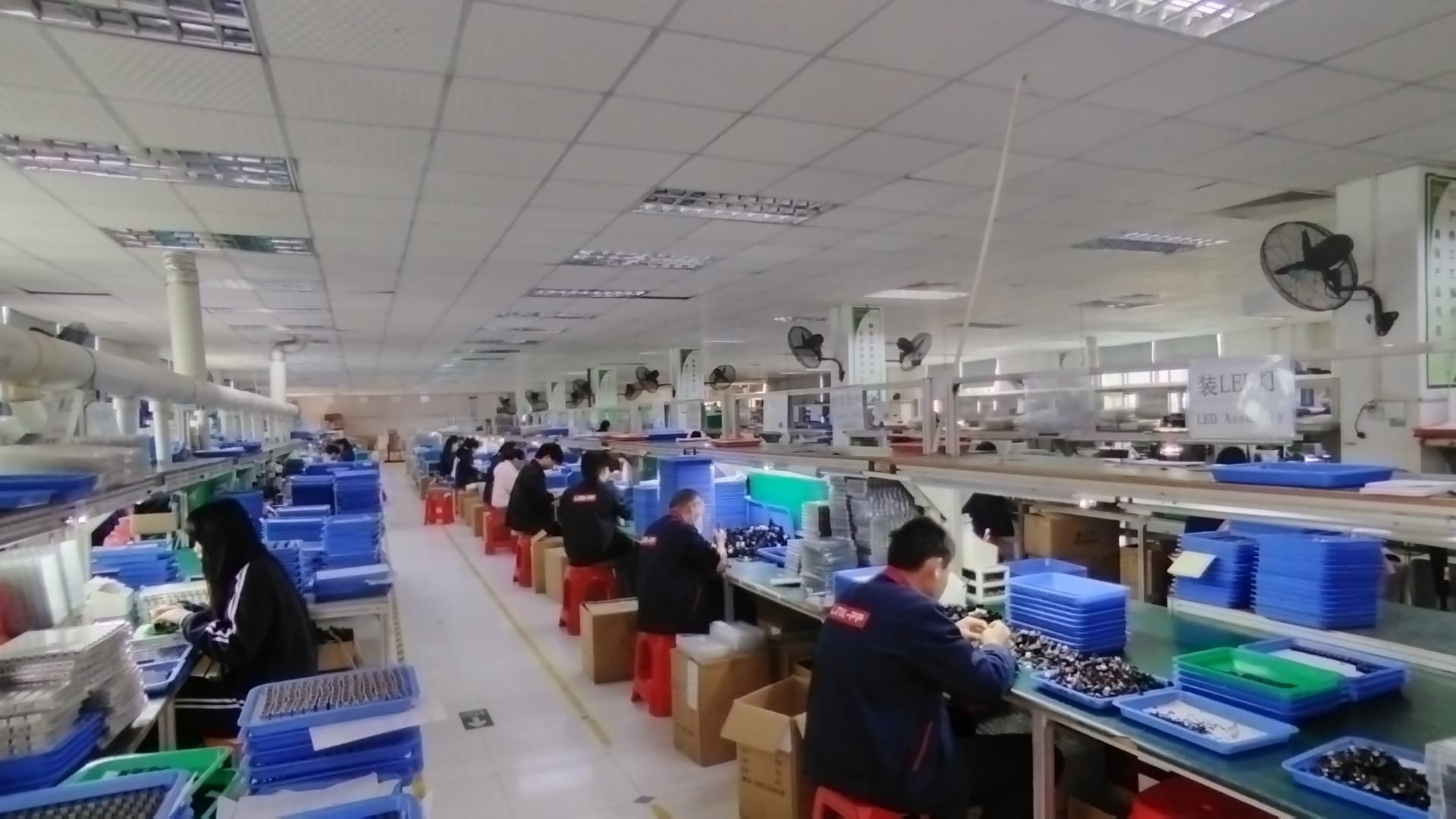
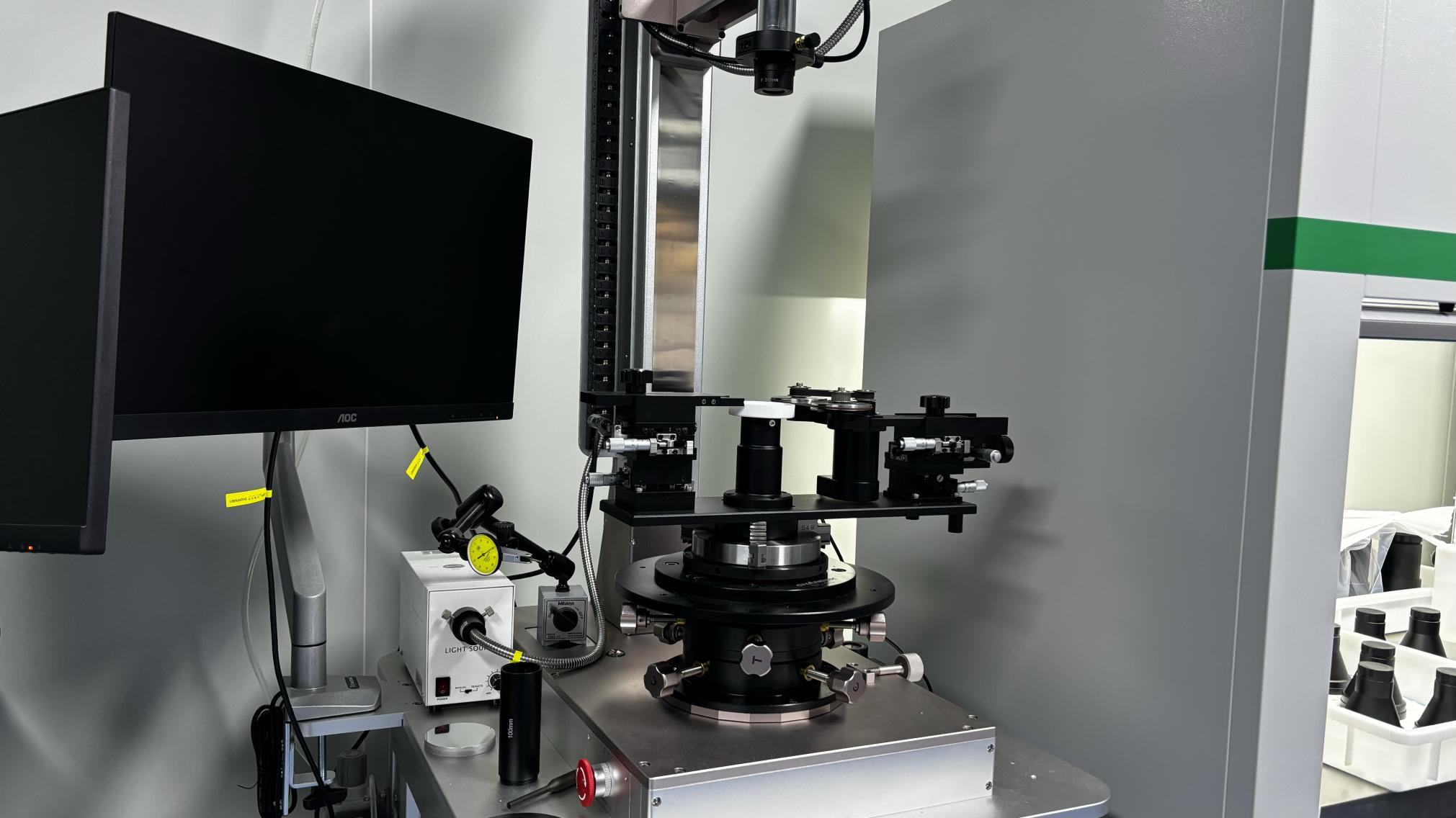
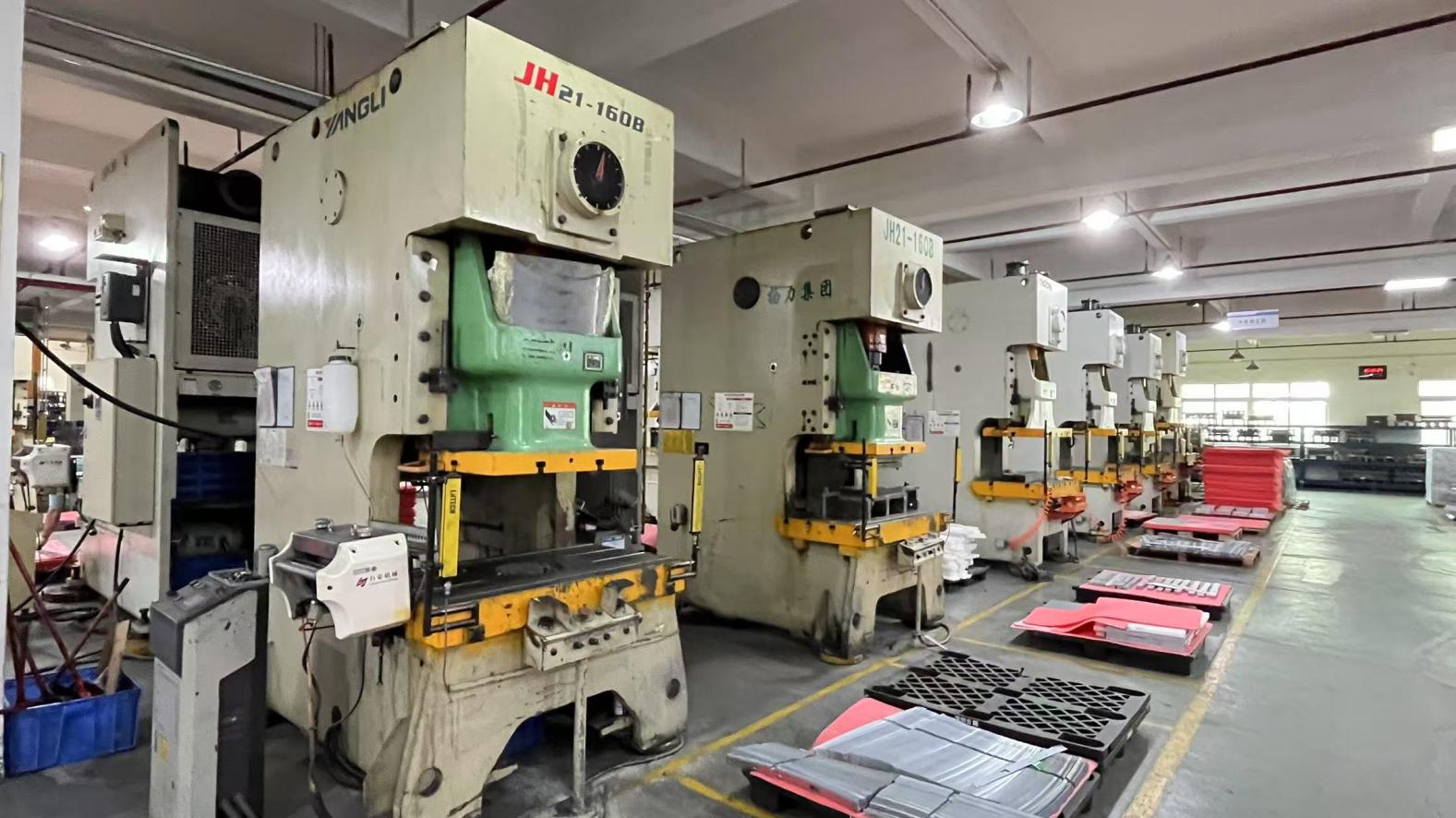
Highly compatible replacements for global tier-one connector brands. Designed with press-fit pins, integrated light pipes, and robust EMI shields.
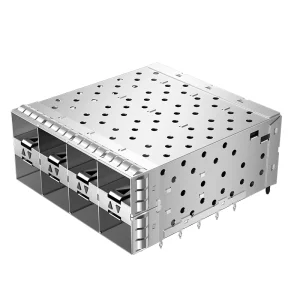
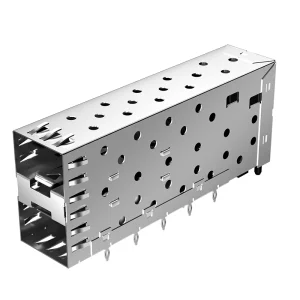
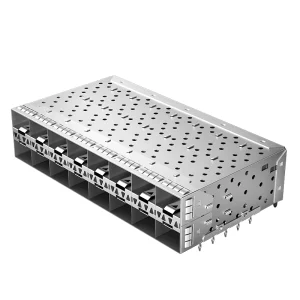
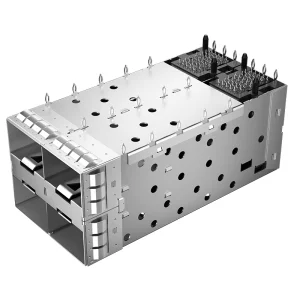
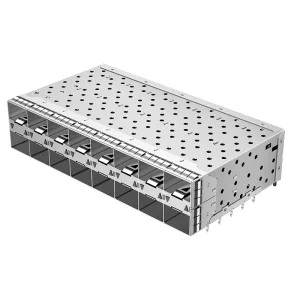
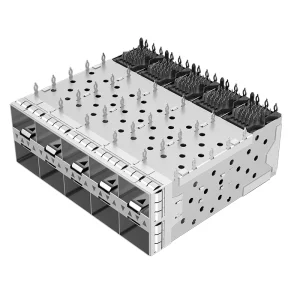
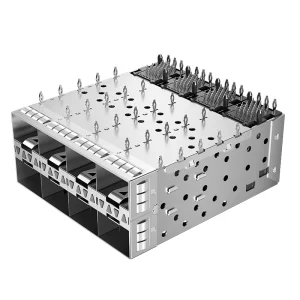
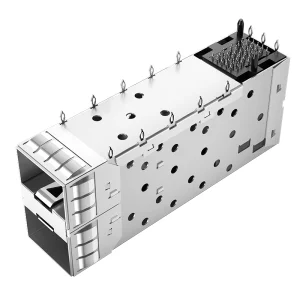
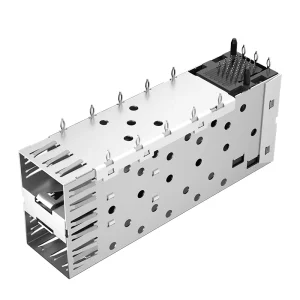
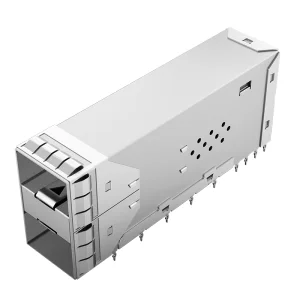
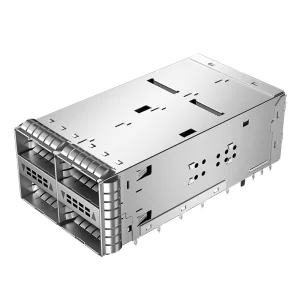
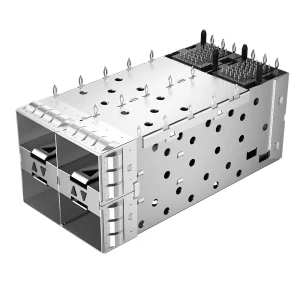
Providing reliable performance within demanding outdoor conditions and specialized system setups.
Many telecom installations in India, especially Remote Radio Heads (RRH) and base stations, operate in non-air-conditioned enclosures exposed to high summer heat. Novafiber's 2xN stacked cages are built with high-thermal-conductivity copper alloys and large ventilation ports, allowing for effective heat dissipation. This layout prevents localized overheating and extends transceiver lifespans.
With seasonal monsoons and high levels of ambient dust in metropolitan hubs like Delhi NCR, connectors face accelerated contact degradation. Our product range uses advanced gold-alloy contact plating (up to 30u") to minimize oxidation risks. The press-fit mechanical installation ensures airtight terminal contacts, isolating connection points from external atmospheric moisture.
Our engineering division coordinates directly with EMS firms in Chennai, Bengaluru, and Noida, supplying detailed footprint drawings and 3D step files. This technical support helps simplify board layout and board-assembly tasks during early design phases.
Novafiber delivers components that align with Bureau of Indian Standards (BIS) parameters, facilitating easier certification pathways for domestic telecom manufacturers who sell products locally or export globally.
Future-proofing network interfaces for 112G and 224G PAM4 signaling applications.
The network design landscape is shifting from NRZ modulation to PAM4, and now toward PAM8 architectures. This transition demands tighter mechanical precision. The physical dimensions of the ports must remain stable under varying thermal loads to prevent contact misalignment.
Our engineering roadmap focuses on the development of next-generation zSFP+ and zQSFP+ stacked connectors. These components are designed to manage 112G PAM4 signaling channels, helping to mitigate high-frequency signal attenuation. This ensures that Indian network developers can transition to higher speeds without needing a complete overhaul of their hardware layouts.
Beyond supplying component cages, Novafiber offers complete physical layer integration packages, including:
Answers to common engineering and sourcing questions for 2xN stacked cages in India.
Connect with our technical sales division to request CAD models, sample components, or customized product proposals tailored to your domestic telecom and server projects.
Contact Our Engineering Department Novafiber