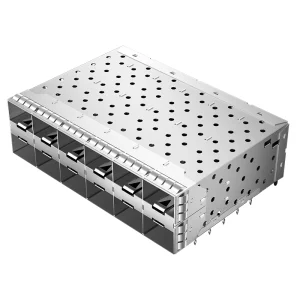
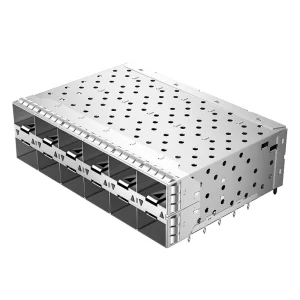
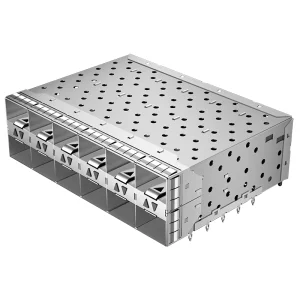
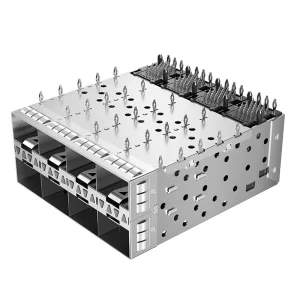
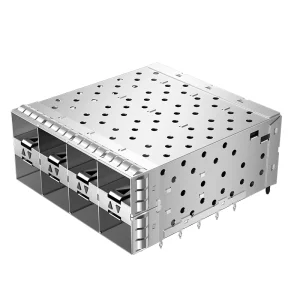
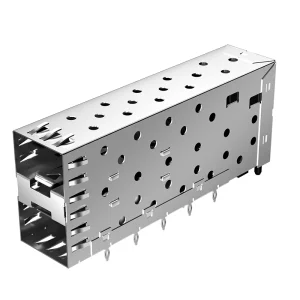
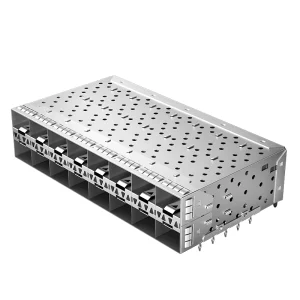
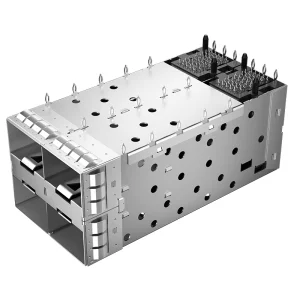
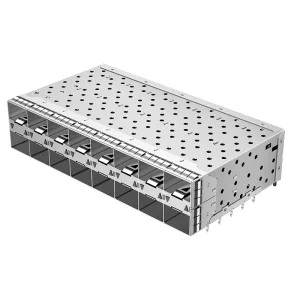
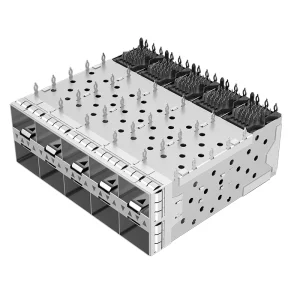
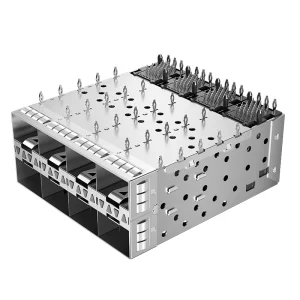
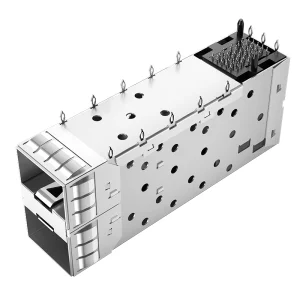
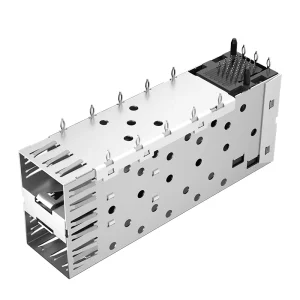
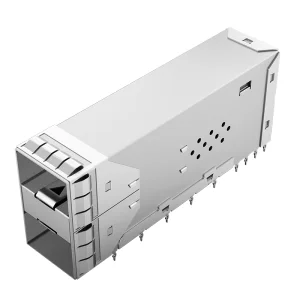
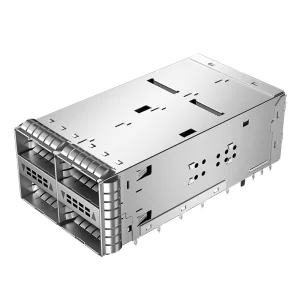
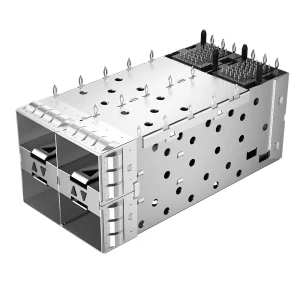
High-performance SFP/SFP28/zSFP+ stacked components engineered for extreme environments and high-speed data transmission.
Finland is internationally recognized as a pioneer in telecommunications technology, acting as the home ground for 5G innovation and active 6G experimental platforms. The country's digitalization trajectory demands robust backbone networking hardware capable of handling massive throughput with negligible latency. High-density edge clusters, central data centers, and industrial automation networks in major hubs like Helsinki, Espoo, Oulu, and Tampere are witnessing a profound hardware transition.
In this ecosystem, 2xN Stacked Port cage assemblies (e.g., 2x1, 2x2, 2x4, 2x6, 2x8 configurations) represent a critical hardware building block. By stacking ports vertically and placing them in dense horizontal rows, network design engineers can double the port density on a single PCB, minimizing the physical footprint of line cards and switches. This is particularly crucial for ruggedized, space-constrained outdoor telecommunication enclosures deployed across Finland's varying climate zones.
One of the unique challenges for hardware deployed in the Nordic region is the wide thermal envelope. Telecom gear installed in sub-zero Finnish Lapland environments must be verified for "cold start" performance, while concurrently running high-performance computations that generate significant localized heat. Stacked ports restrict the visual line-of-sight for airflow, causing potential hot spots within the optical transceivers.
Our 2xN solutions address this through:
Press-fit pin geometry allows for solderless mounting onto high-layer-count PCBs. This reduces thermal stress during manufacturing and ensures reliable mechanical holding forces, crucial for applications subjected to vibration, such as marine navigation or industrial forestry machinery in Finland.
With data transfer rates reaching 28Gbps (SFP28) and beyond, leakage of high-frequency electromagnetic waves can cause significant crosstalk. Our cages utilize advanced elastomeric gaskets or spring fingers to ensure complete contact with the chassis cutouts, maintaining electromagnetic compatibility (EMC).
Status indication is vital in large-scale server halls. Integrated light pipes direct diagnostic light from surface-mounted LEDs on the main board to the outer faceplate of the 2xN cage assembly, ensuring clear monitoring visibility without compromising mechanical integrity.
Hardware designers in Helsinki and Espoo frequently debate the use of single-row cages mounted "belly-to-belly" on both sides of a PCB versus a single double-row stacked (2xN) cage. While belly-to-belly designs offer slightly better heat dissipation pathways for individual transceivers, they require complex routing and twice the assembly steps. A stacked 2xN solution provides a pre-aligned, singular assembly unit, significantly decreasing assembly tolerances, simplifying pick-and-place processing, and saving critical routing space on layers below the cage.
As a leading brand under Novafiber Communications Co., Ltd. (founded in 2016), we combine state-of-the-art R&D capabilities with the cost-efficiency and flexibility of China's advanced optical components supply network. This synergistic approach allows us to supply high-end, TE-compatible and Molex-compatible stacked cages to the Finnish market at optimized price points without compromising quality.
Our specialized production facilities operate under strict quality management frameworks, backed by over 1,200 supply chain partners. This robust network ensures that even in periods of component shortage, we maintain stable production schedules and quick lead times for international orders. Key capabilities include:

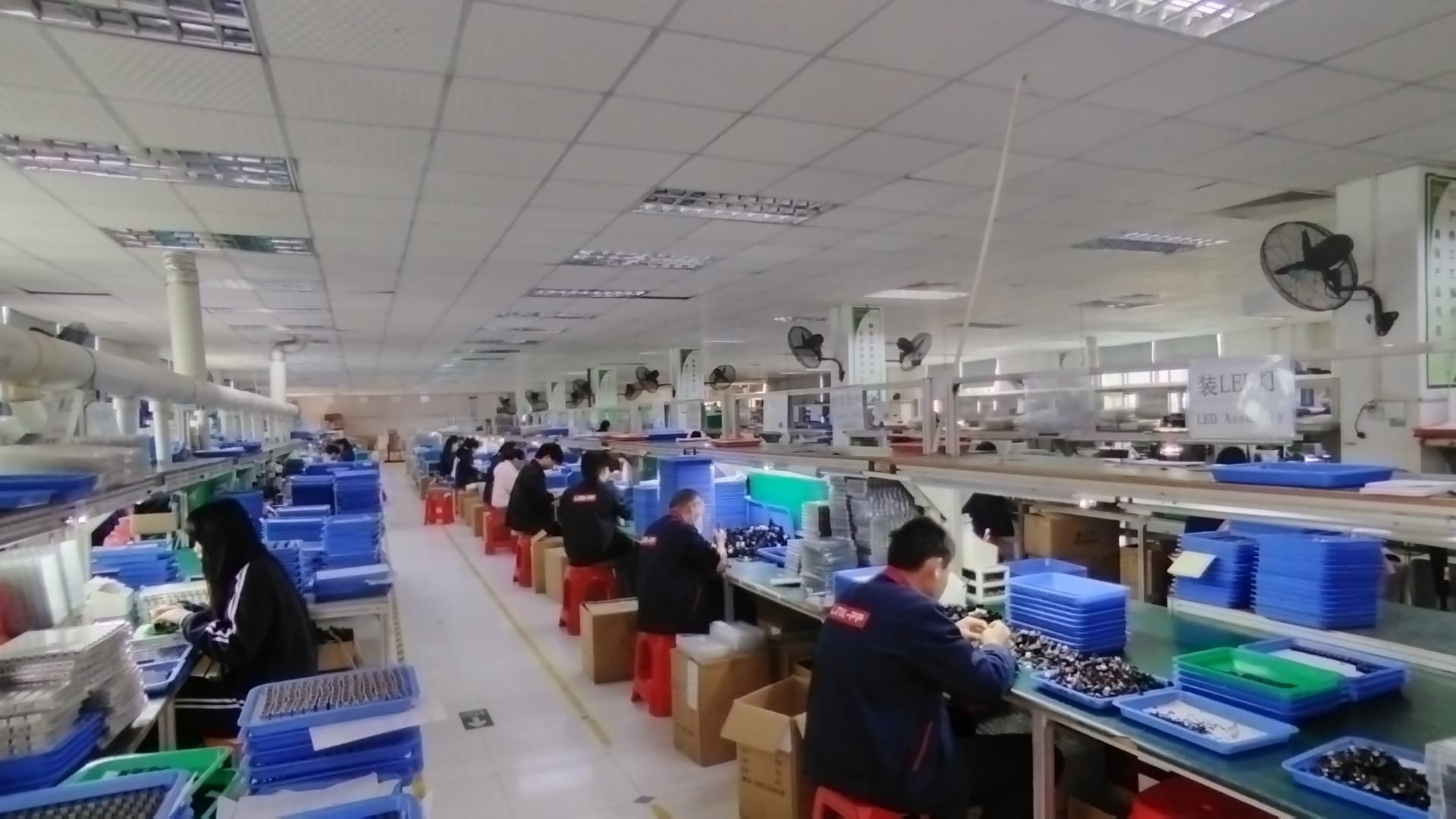
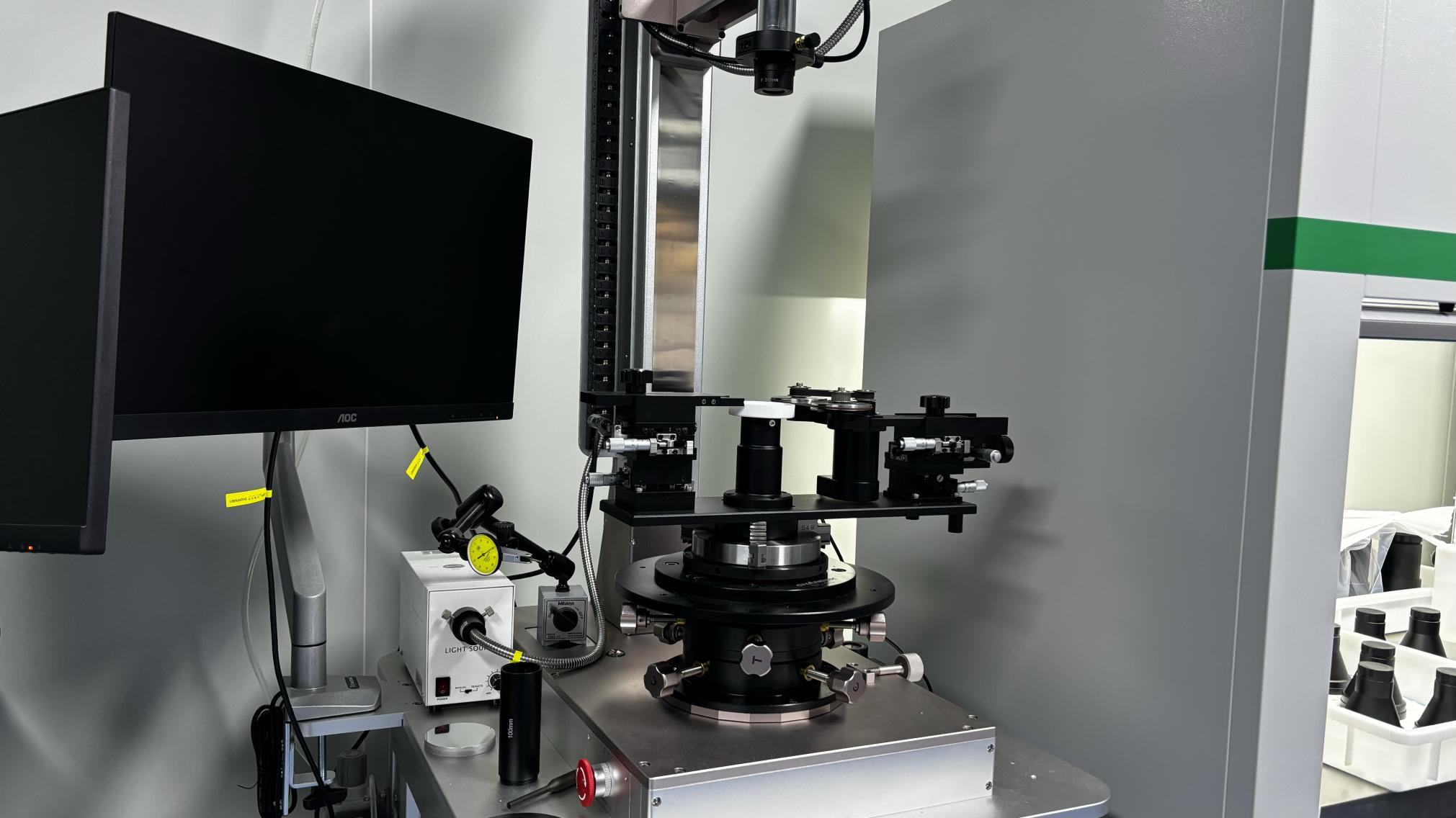
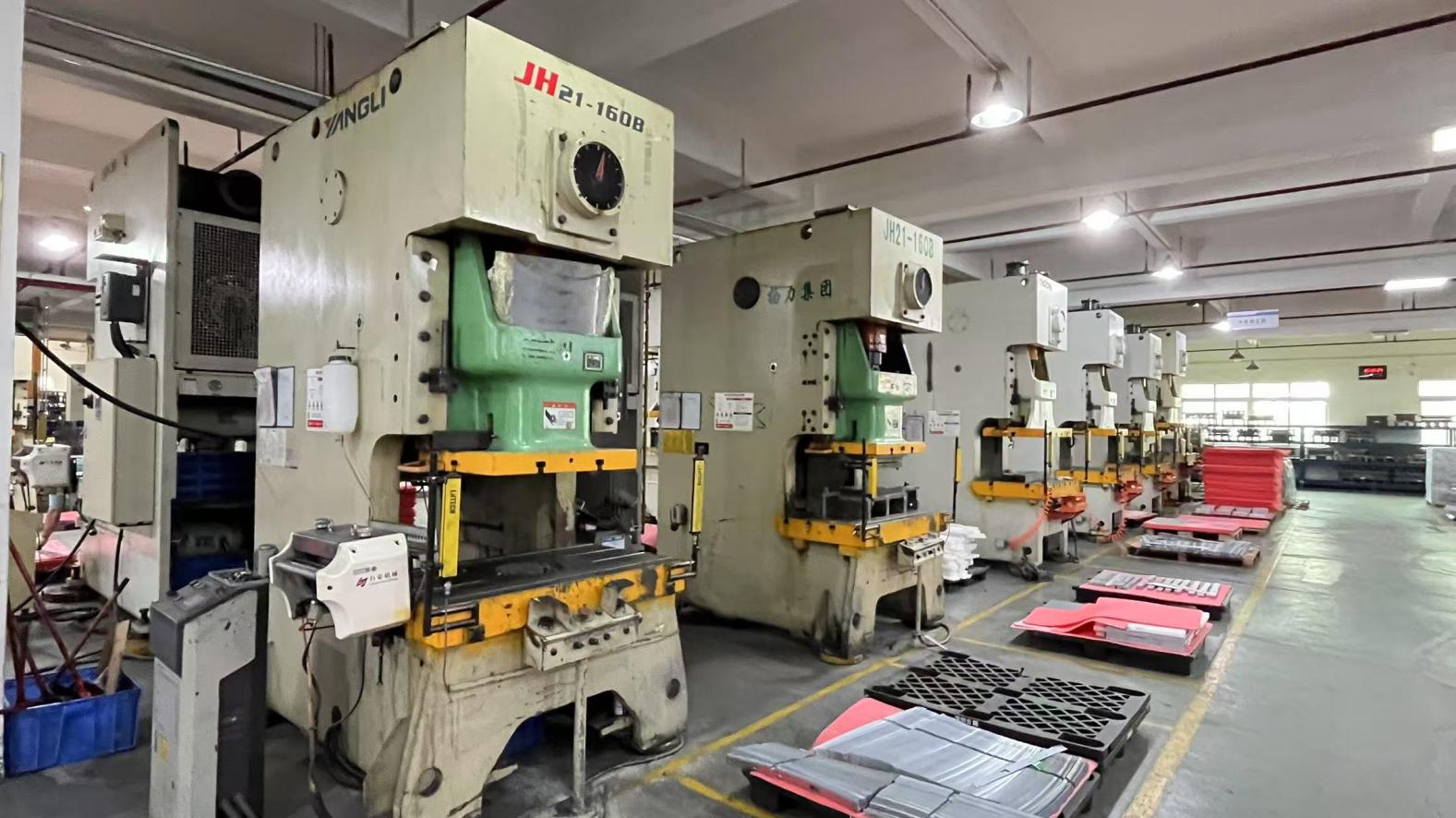
Select from our extensive catalog of compatible, high-performance cages, connector assemblies, and EMI-shielded configurations designed for direct deployment in Finland.
With Finland's strategic data centers leveraging cold Baltic Sea water for natural cooling (such as in Hamina), the surrounding electronics must handle high levels of ambient humidity and temperature fluctuations. Our stacked SFP+ cages, coated with nickel over copper plating, deliver superior corrosion resistance and consistent mechanical locking, ensuring uninterrupted fiber paths.
Ports like Turku and Rauma are central hubs for advanced marine systems. Automated logistics on cargo vessels rely on embedded switches utilizing stacked ports to consolidate massive arrays of sensor data. Solderless press-fit designs prevent solder joint fractures resulting from constant engine vibrations and rough sea conditions.
Fingrid, the operator of the Finnish electricity transmission grid, continues to modernize its substation automation systems. High-reliability networking modules demand EMI-shielded stacked cages (such as 2x1 and 2x2 ports) to prevent electromagnetic interference from high-voltage transformers from degrading high-speed optical control signals.
As the optical communication landscape transitions from NRZ modulation to PAM4, and interfaces adapt to PCIe Gen 5 and Gen 6 speeds, the physical properties of the cage assembly become paramount. Stacked connector structures are evolving from standard SFP/QSFP configurations towards high-density form factors like QSFP-DD and OSFP. The transition calls for design refinements in several key areas:
Collaborate with Novafiber's experienced technical team to secure high-performance, cost-effective 2xN stacked port solutions for your next deployment in Finland.
Send Inquiry Now Novafiber