Deploying high-speed data interconnect nodes requires extreme component stability. Review our tier-1 compatible SFP+/SFP28 stacked assemblies optimized for Australian environments.
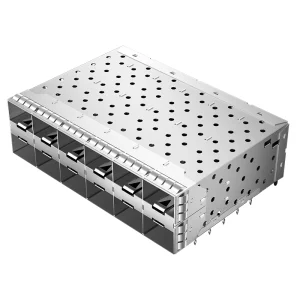
High-density 240-position press-fit SFP+ cage assembly with integrated connector, delivering superior performance for Australian core telecom matrices.
View Product Specs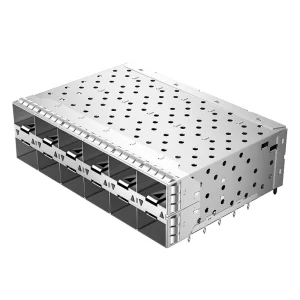
Premium 240-position press-fit design with integrated light pipes. Optimized for status tracking in modern Australian hyperscale data platforms.
View Product Specs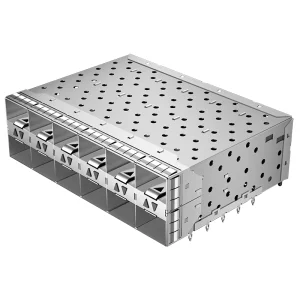
Designed for next-generation 25G Ethernet links. ZSFP+ design featuring a robust mechanical foot and high-transmittance integrated light pipes.
View Product Specs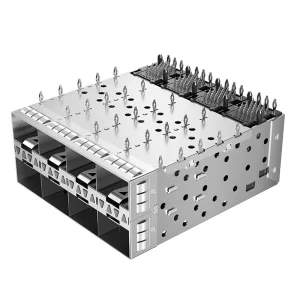
Highly robust 160-position press-fit cage assembly with integrated connector, ideally scaled for medium-density edge router deployment.
View Product SpecsAustralia is experiencing an unprecedented surge in digital infrastructure investments. From NextDC's hyper-scale facilities in Melbourne and Sydney to the critical data backbones supporting remote mining automation in Western Australia's Pilbara region, system reliability is paramount. The shift toward higher density networking hardware has prioritized space-saving high-speed modular interfaces.
The 2xN (Stacked Ports) architecture, accommodating SFP+, SFP28, and QSFP formats, enables network equipment manufacturers to double the layout capacity of their standard PCBs. In rugged industrial settings and marine environments characteristic of Australia's coastal telecom nodes, heat accumulation and electromagnetic interference (EMI) present severe engineering challenges. Our components feature advanced elastomeric gaskets or spring finger designs alongside high-efficiency lightpipes to ensure compliance with stringent regional requirements.
Our company leverages over 9 years of global manufacturing expertise, offering systems that are pin-compatible with industry leaders like TE Connectivity and Molex, providing resilient local supply chains for regional integrators.
Request Australian Compliance Docs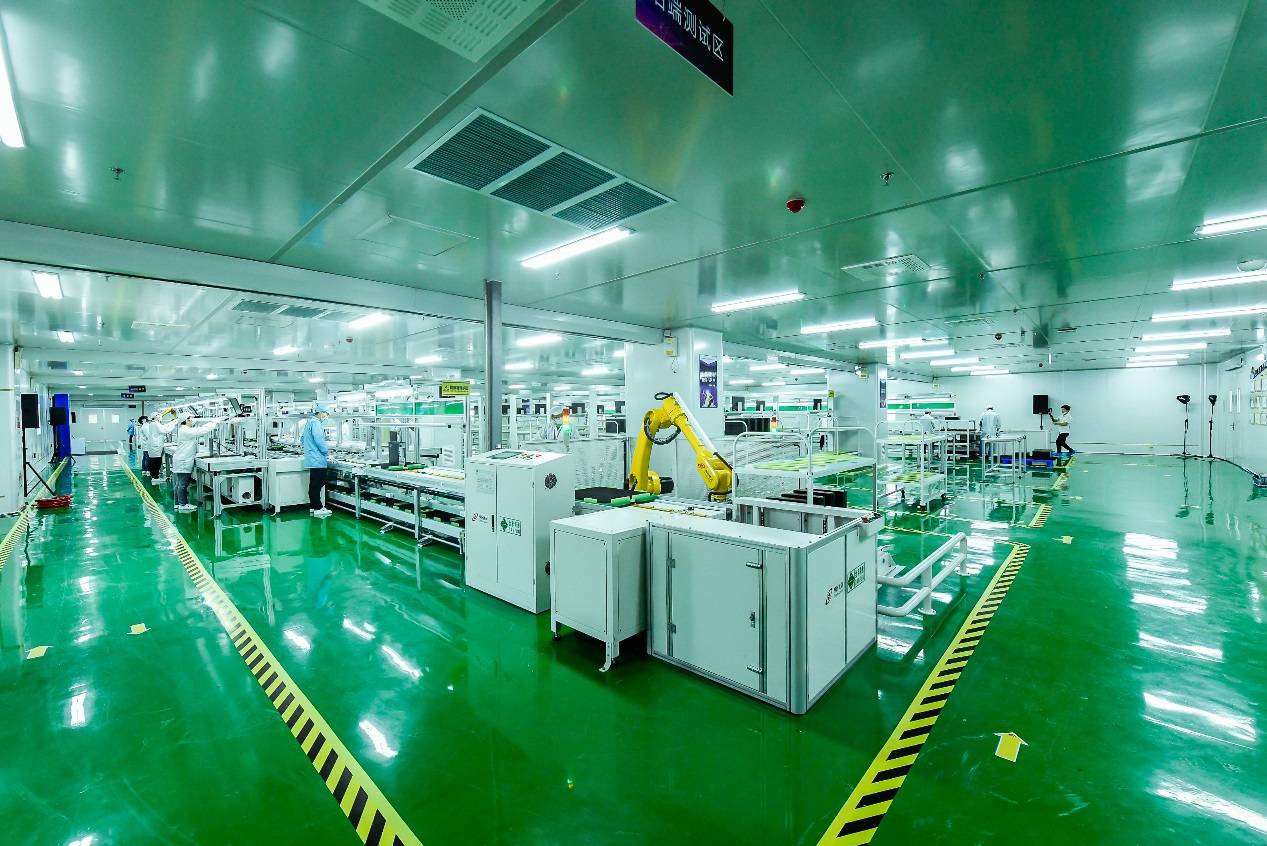
A trusted manufacturing partner for optical communication interconnect components globally.
Founded in 2016, Novafiber operates modern production and quality-testing facilities, serving major telecom operators, cloud providers, and system integrators worldwide with high-speed components compliant with IPC and environmental standards.
Engineered to support broad environmental parameters and high insertion cycles required by Australian telecom standards.
| Interconnect Type | Configuration | Max Signal Speed | EMI Shielding Material | Insertion Cycle Life | Thermal Operating Range |
|---|---|---|---|---|---|
| SFP+ / zSFP+ | 2x1, 2x2, 2x4, 2x5, 2x6, 2x8 | 10 Gbps / 28 Gbps per channel | Elastomeric Gasket / Metal Spring Fingers | > 250 Mating Cycles | -40°C to +85°C (Industrial Grade) |
| SFP28 | 2x6 Stacked Cage | 28 Gbps per channel | Conductive Elastomeric Gasket | > 250 Mating Cycles | -40°C to +85°C |
| zQSFP+ / QSFP28 | 2x2 Stacked Cage | 100 Gbps (4x25 Gbps) | Advanced EMI Spring Fingers | > 100 Mating Cycles | -40°C to +85°C |
Delivering robust performance across diverse, demanding operating environments.
Optimized for low attenuation and minimal footprint, helping data centers in Sydney and Melbourne achieve high density per rack unit without compromising thermal dissipation or EMI limits.
Engineered for high-durability and corrosion resistance, suitable for remote Western Australian industrial installations, mineral processing networks, and harsh desert environments.
Supporting high port-density within outdoor base stations and transport switches, easing integration with the NBN network and regional telecommunications towers.
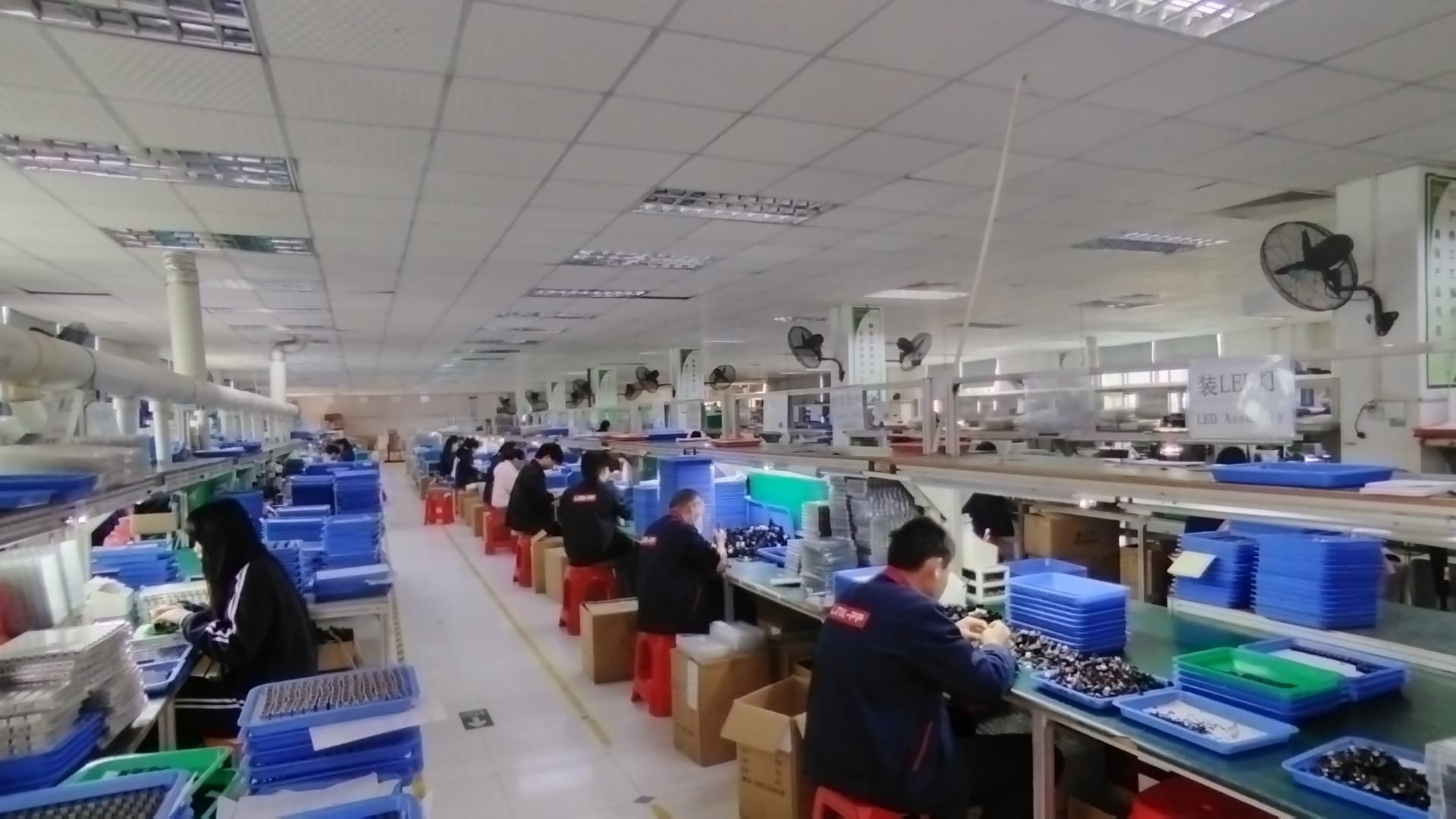
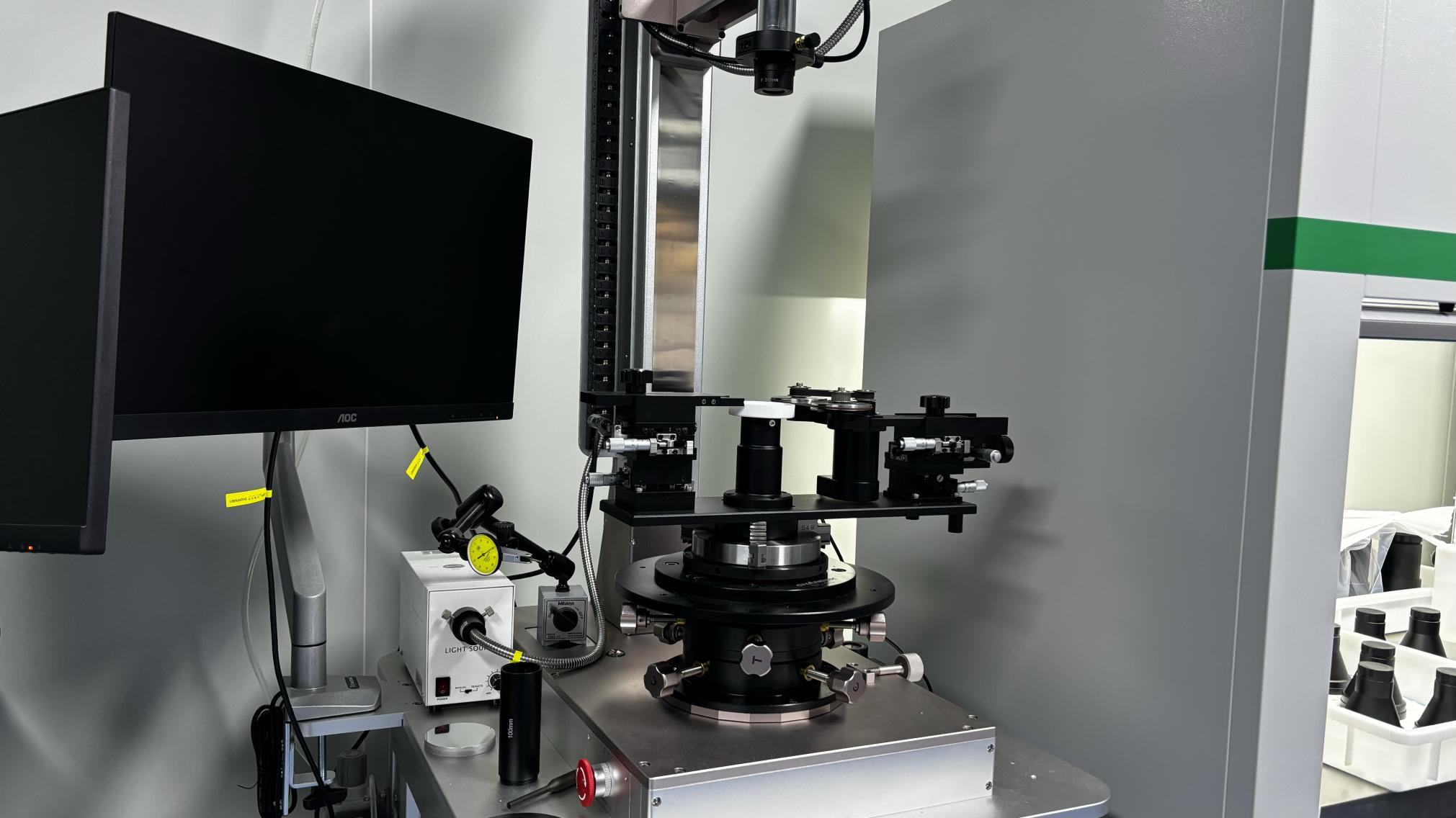
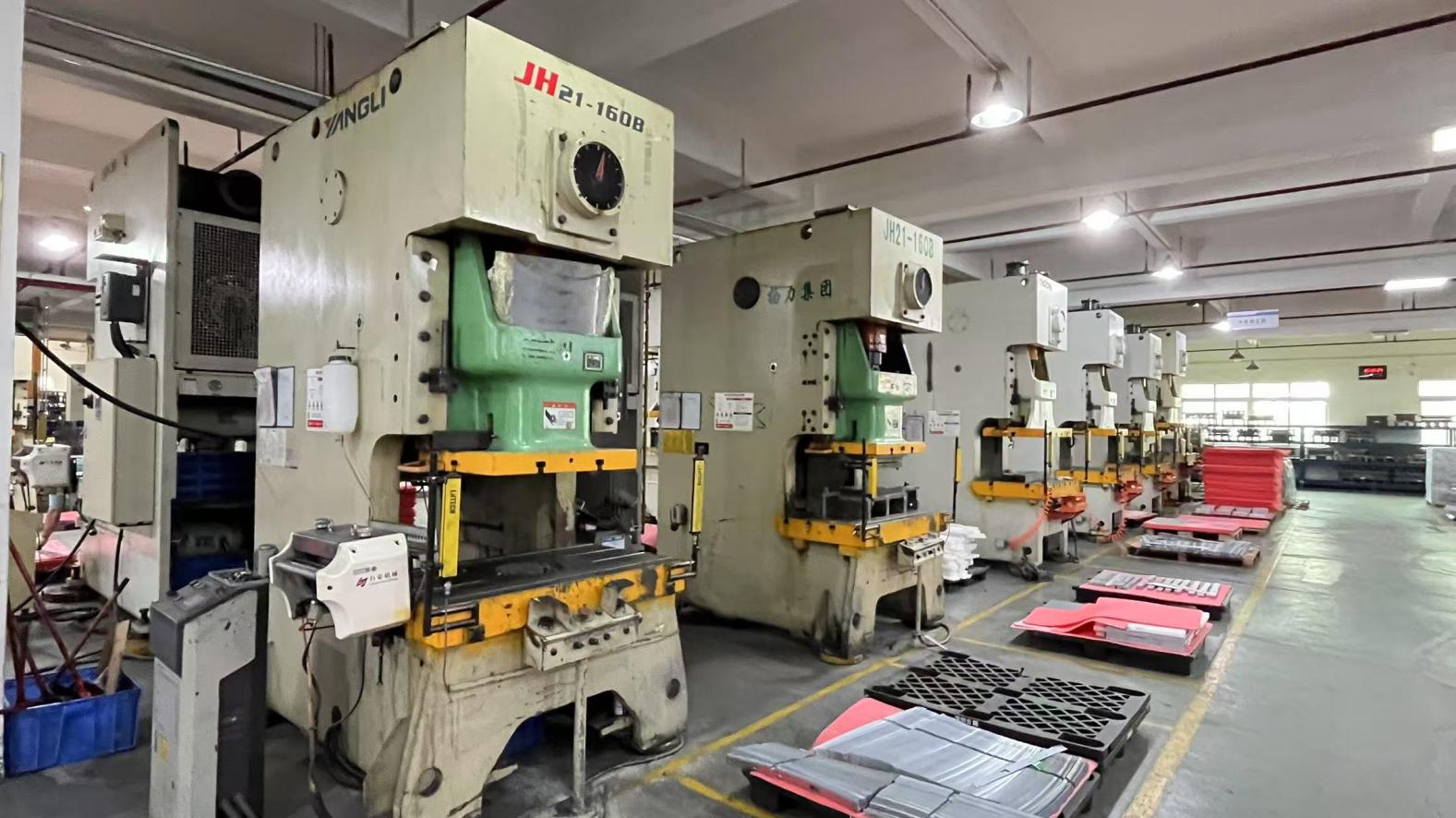
We implement automated testing, high-temperature aging, and environmental stress screening to verify the structural integrity of our interconnect solutions.
Select from our extensive line of high-density SFP, SFP+, zSFP+, and zQSFP+ assemblies. Pin-compatible replacements engineered to global specifications.
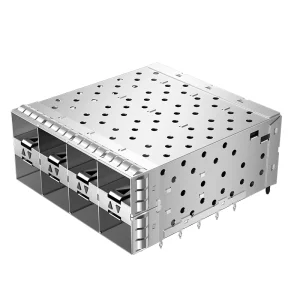
160-position press-fit design with high-efficiency light pipe integration, engineered for low-profile industrial chassis applications.
View Product Specs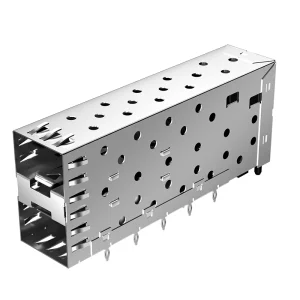
Compact 40-position design with integrated connector. Excellent choice for space-constrained edge nodes and remote IoT hubs.
View Product Specs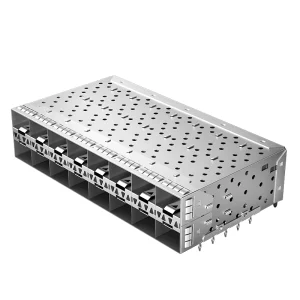
High-density 320-position press-fit interconnect with light pipes. Engineered for carrier-grade distribution networks.
View Product Specs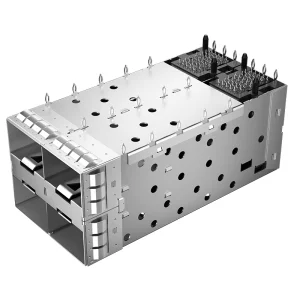
80-position press-fit design with integrated connector, suitable for redundant network links and switch modules.
View Product Specs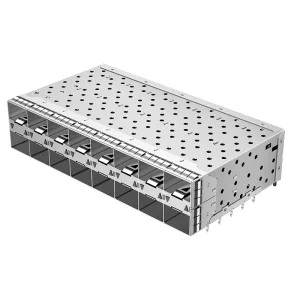
320-position press-fit cage featuring integrated light pipes and enhanced EMI suppression gaskets for clean signal paths.
View Product Specs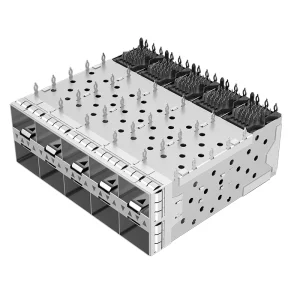
200-position high-shielding press-fit connector structure with integrated light pipes, minimizing crosstalk in transceiver systems.
View Product Specs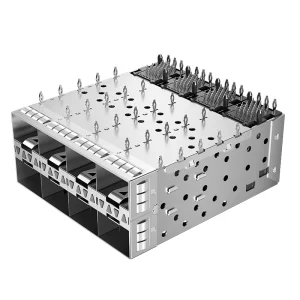
160-position connector configuration with specialized light pipe design, engineered to mitigate EM emissions in data racks.
View Product Specs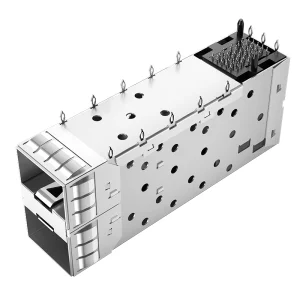
Compact 40-position assembly with integrated connector, optimizing space usage on dense edge routing PCBs.
View Product Specs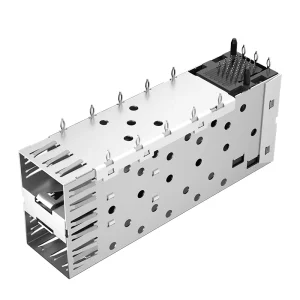
40-position press-fit design with integrated connector, engineered to reduce EMI anomalies in commercial switch ports.
View Product Specs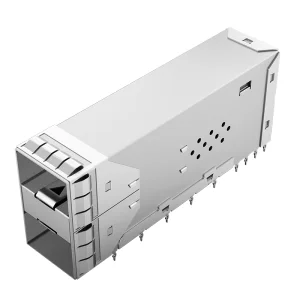
40-position press-fit design for 28Gbps transmission rates, integrating EMI shielding structures for critical core networks.
View Product Specs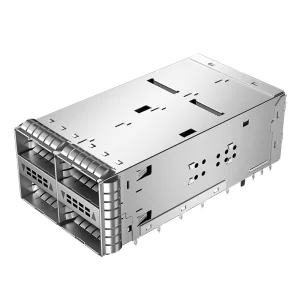
152-position interface supporting 100G transmission speeds, equipped with advanced heat dissipation features.
View Product Specs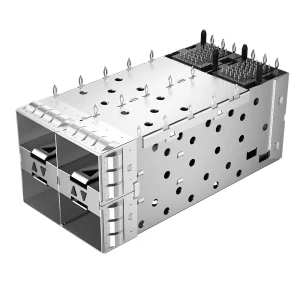
80-position press-fit design with integrated light pipes, offering a highly reliable footprint for switch and router cards.
View Product SpecsUnderstanding structural considerations for high-density networking applications.
In a standard 2xN stacked port configuration (such as 2x4, 2x6, or 2x8), transceivers are positioned in upper and lower rows directly on top of each other. While this doubles port density, it restricts airflow around the modules. The lower port is typically subject to heat generated by the PCB surface, while the upper port absorbs thermal energy radiating from the module beneath it.
To maintain reliable operating temperatures inside high-speed transceivers, our stacked cages are engineered with optimized ventilation ports and can incorporate custom heatsink accessories. This configuration ensures consistent performance even when running high-draw 10G SFP+ or 25G SFP28 links continuously.
As network bandwidth increases to 25 Gbps and 100 Gbps, high-frequency electromagnetic noise grows significantly. Without effective shielding, this energy can escape from the gaps between transceivers and cage walls, leading to signal degradation or failing regional regulatory compliance (such as Australia's ACMA RCM limits).
Our components employ two main types of EMI protection:
Compared to older hand-soldered connectors, press-fit termination offers significant manufacturing and operational benefits. By utilizing compliant pins (eye-of-the-needle design), our 2xN stacked cages can be mechanically pressed into plated through-holes on the PCB.
This method forms a gastight connection without exposing the board or components to thermal stress from wave or reflow soldering. Additionally, it simplifies repair and replacement procedures, allowing technicians to replace worn connectors on-site without complex desoldering equipment.
Answers to common engineering questions regarding the deployment of 2xN stacked port cages.
 Novafiber