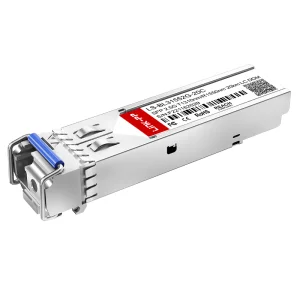
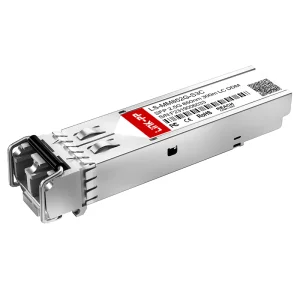
Ultra-reliable 2.5G optical modules designed for the unique requirements of South Korea's metro networks and telecommunication nodes.
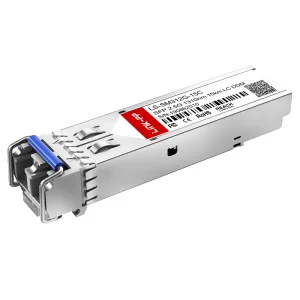
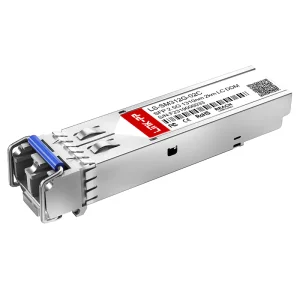
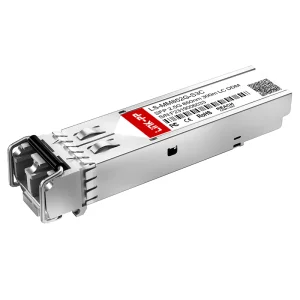
Analyzing the integration of 2.5G to 6G optical modules in the world's most advanced digital landscape.
South Korea stands at the global forefront of telecommunication infrastructure. Leading companies like KT, SK Telecom, and LG Uplus are aggressively upgrading optical transport infrastructure to maintain the country's status as a digital powerhouse. The rapid integration of AI-driven Smart Factories in industrial hubs like Gyeonggi-do, Incheon, and Ulsan has generated unprecedented demand for resilient, high-speed networking components.
From automated precision manufacturing to IoT-enabled robotics, modern assembly lines depend on low-latency connections. The 2.5G to 6G SFP transceivers play a key role here, acting as the primary communication link for industrial switches, distributed antenna networks, and edge nodes.
In addition, South Korea's national initiative to build robust public safety networks (Safe-Net) and hyper-scale "K-Data Centers" requires optical components that strictly adhere to stringent reliability, interoperability, and power consumption standards.

Why modern network architectures are shifting towards scalable 2.5G to 6G transceiver interfaces.

Historically, standard 1G SFP modules handled most enterprise networks, while 10G or higher was reserved for core backbones. Today, the expansion of Wi-Fi 6/6E/7 access points, multi-gigabit broadband deployments, and 5G CPRI/eCPRI wireless fronthaul has exposed a capacity bottleneck. A standard 1G link is no longer sufficient, and 10G options can sometimes be cost-prohibitive or run too hot for confined outdoor enclosures.
This is where 2.5G and 6G SFP modules offer the ideal balance. They provide the necessary bandwidth boost without requiring major hardware redesigns or exceeding strict thermal limits. In South Korea's suburban FTTH (Fiber-to-the-Home) networks, 2.5G BiDi (Bidirectional) SFP modules are widely used because they double the capacity of existing single-fiber cables, bypassing the high costs of laying new physical fibers.
For mobile infrastructure, 6.144 Gbps (6G) optical transceivers are standard components for CPRI Option 5 and Option 6 interfaces, linking Baseband Units (BBUs) with Remote Radio Heads (RRHs) in LTE-Advanced and mid-band 5G networks across the peninsula.
Unlocking the manufacturing advantages of advanced automation, extensive component sourcing networks, and rigorous reliability testing.
Purchasing optical transceivers for South Korean telecommunication systems or global enterprises requires balancing cost, quality, and supply security. China's optical communication hubs, powered by Factory 4.0 principles, deliver a major competitive edge in this area. Through deep integration with local chip suppliers, optical sub-assembly (OSA) builders, and automated testing manufacturers, we ensure structural cost advantages alongside flexible, fast-turnaround lead times.
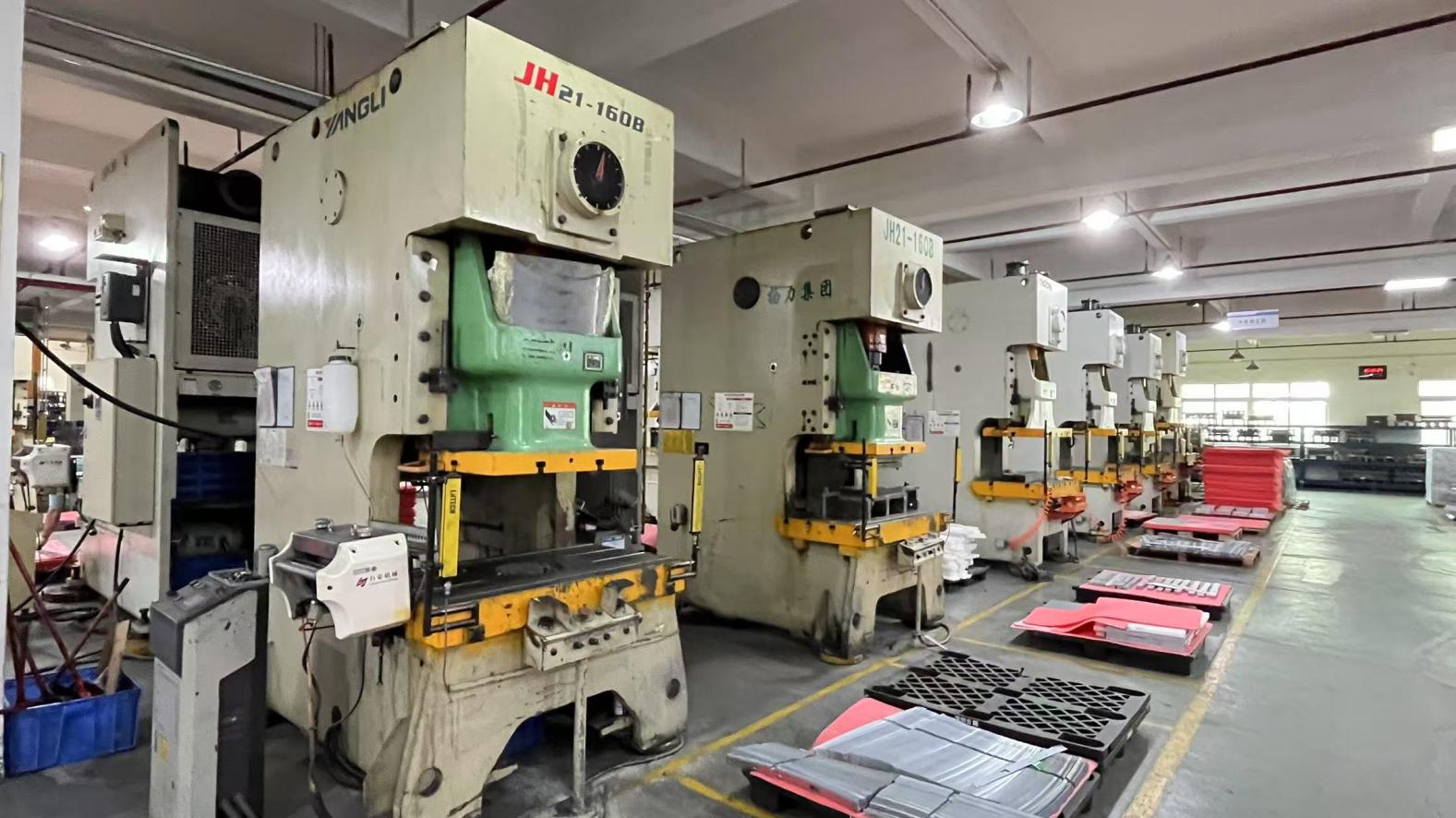
At our advanced manufacturing facility, we implement a modern production flow that combines high volume capacity with specialized engineering. By managing over 1,200 trusted supply chain partners, we guarantee access to critical raw materials (such as high-quality lasers, photodiodes, and TOSA/ROSA packages) even during global component shortages. This supply chain resilience is a core reason why major global system integrators select us as their long-term OEM/ODM manufacturing partner.
Where our high-speed optical transceivers are integrated to deliver critical network performance.
Supporting Korea's gigabit residential internet networks. Our 2.5G BiDi SFPs enable service providers to expand fiber-to-the-home capacity using existing physical lines, reducing installation costs and deployment timelines.
Delivering low-latency, high-reliability connections between cell site base stations and remote antennas. Our 6G-ready transceivers feature wide operating temperature support for industrial-grade outdoor environments.
Powering automated production floors in South Korea's tech hubs. These modules link high-definition vision cameras, edge servers, and industrial switches to ensure reliable data flows free of electromagnetic interference.
A trusted global manufacturer specializing in high-performance fiber optic communication solutions.
Novafiber Communications Co., Ltd. is a professional optical transceiver manufacturer specializing in high-performance fiber optic communication solutions for global data centers, telecom operators, and enterprise networking applications.
Founded in 2016, Novafiber has developed strong engineering and manufacturing capabilities with a modern production facility covering approximately 420㎡. With over 9 years of industry experience and 7 years of export experience, the company has built a solid reputation in the global optical communication market.
Novafiber generates an annual export revenue of approximately USD 8.5 million, serving customers across North America, Europe, Southeast Asia, and the Middle East. The company maintains a flexible and efficient supply chain network with more than 1,200 supply chain partners, enabling stable mass production and fast delivery.
Our dedicated R&D team consists of 180 experienced engineers, supporting advanced development of high-speed optical modules. The company demonstrates strong innovation capability with 320 new product releases in the past year, covering solutions from 1G to 800G optical transceivers, DAC/AOC cables, and customized optical communication products.

Quality is the cornerstone of our manufacturing philosophy. The company employs 65 quality inspection personnel who follow strict quality control systems, including IPC standards, automated optical testing, and environmental stress screening (ESS). Product inspection methods include 100% functional testing, burn-in testing, and high-temperature aging tests to ensure long-term reliability and compatibility with major original equipment manufacturer (OEM) platforms.
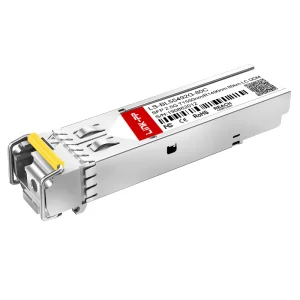
Explore our high-performance optical transceiver portfolio, designed for reliability across various distances and fiber types.
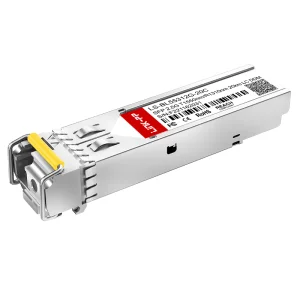
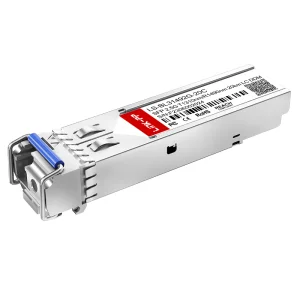
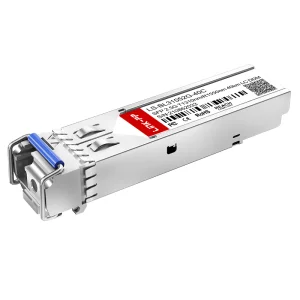
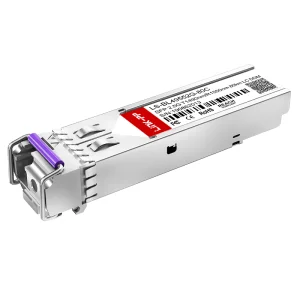
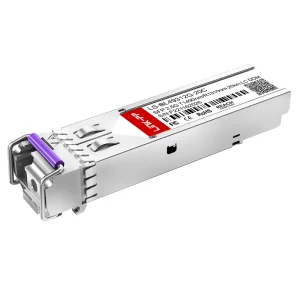
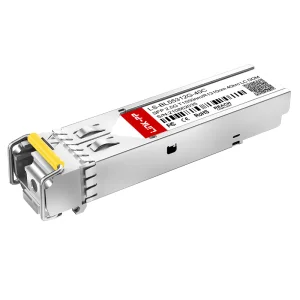
In-depth technical answers for network architects, telecommunication engineers, and procurement managers.
We offer customized EEPROM coding, tailored transmission distances, and specialized industrial temperature ratings to meet your network design needs. Talk to our engineering sales team today.
 Novafiber