 Novafiber
Single-Mode 40km
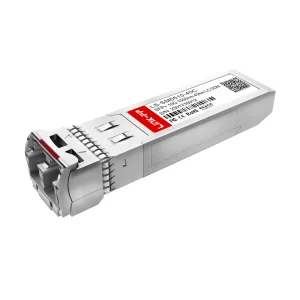
Explore our leading 10G SFP+ transceivers engineered for immediate implementation across regional enterprise networks and cloud nodes.
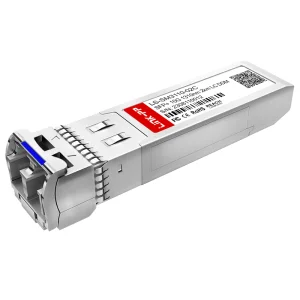
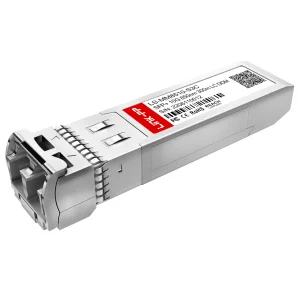
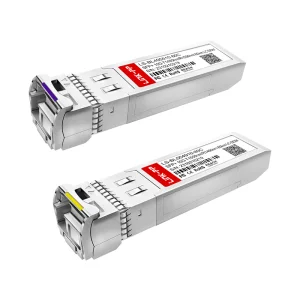
The digital economy of Malaysia is experiencing an unprecedented surge, with Kuala Lumpur and its surrounding technology parks (Cyberjaya, Bukit Jalil, and the newly established Sedenak Tech Park corridor) serving as the focal point for multi-billion dollar hyperscale data center investments. With the government’s active promotion of the MyDIGITAL blueprint and the Jendela national fiberization initiative, cloud infrastructure expansion has transformed from a domestic utility into a critical regional transit node. This explosion in regional data traffic has placed a technical strain on legacy network layers, mandating a rapid migration from 1G standard configurations to high-density 10G and 16G SFP+ optical topologies.
Within this ecosystem, network stability is non-negotiable. Leading internet service providers (ISPs), international financial services located in the KL Golden Triangle, and heavy manufacturing clusters in Selangor demand transceivers that mitigate packet loss and deliver near-zero latency. Localized hardware requirements prioritize modules capable of operating in variable climate conditions and resisting the specific physical challenges of tropical humidity, while adhering strictly to high performance and international interoperability footprints.
Fully optimized for the high-density fiber routing protocols typical of modern tier-III and tier-IV co-location sites in Cyberjaya and downtown KL.
Built with specialized hermetic sealing and corrosion-resistant components to handle the ambient humidity challenges in Southeast Asian facilities.
Ultra-fast signal propagation over short and long distances, critical for local financial institutions and stock exchange interfaces.
Novafiber Communications Co., Ltd. stands as a premier optical transceiver manufacturer, providing customized networking solutions for systems integrators and telecom giants globally.
Established in 2016, Novafiber has spent nearly a decade refining the technology underpinning high-speed data transmission. Our production core operates within a state-of-the-art facility spanning approximately 420㎡, optimized for precision engineering and agile manufacturing. Armed with 9 years of industry experience and 7 years of direct export operations, we understand the logistical and technical nuances required by international systems integrators, specifically within the expanding telecommunications corridors of Malaysia and the ASEAN region.
Our global market operations yield an annual export volume valued at USD 8.5 million, sustained by a robust network of over 1,200 supply chain partners. This ensures that even during global silicon shortages, Novafiber secures raw semiconductor components, optical sub-assemblies (TOSA/ROSA), and microcontrollers to guarantee uninterrupted bulk delivery for local partners in Kuala Lumpur.
Quality assurance is the foundation of our engineering process. Our facility employs 65 specialized quality inspection personnel. Every individual batch is subjected to a rigorous QA sequence: standard compliance verification, IPC standards alignment, Automated Optical Inspection (AOI), and Environmental Stress Screening (ESS). Furthermore, 100% functional testing is performed using main-brand host switch frameworks (including Cisco, Juniper, Huawei, and Mikrotik) alongside high-temperature aging tests, preventing infant mortality failures on site in demanding Kuala Lumpur industrial networks.
Ensure seamless integration with existing Cisco architectures across Kuala Lumpur enterprise backbones with 100% multi-source agreement (MSA) compatible modules.
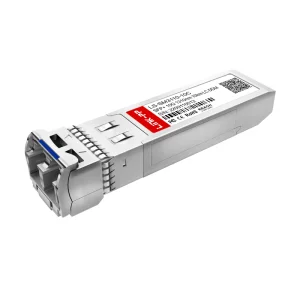
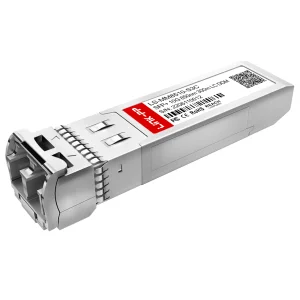
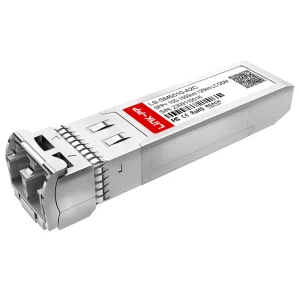
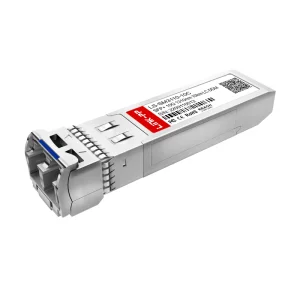
Understanding the operational thresholds of fiber networks requires distinguishing between the structural protocols of 10G Ethernet and 16G Fibre Channel. While they share the physical dimensions of the SFP+ form factor, their encoding schemes, clock rates, and intended utilization models diverge significantly.
10G SFP+ Modules typically operate under Ethernet standards (IEEE 802.3ae) utilizing a line rate of 10.3125 Gbps with 64b/66b encoding. They are optimized for package-switched environments, web traffic, database syncs, and typical ISP configurations. Conversely, 16G SFP+ Modules are primarily designed for storage area networks (SAN) operating under Fibre Channel standards. They carry a line speed of 14.025 Gbps with 64b/66b encoding to provide lossless transmission of storage block arrays over long and short distances. Novafiber designs transceivers to support multi-rate profiles, allowing specific hardware models to run dual configurations, ensuring flexible upgrades as data center requirements evolve.
| Parameter | 10G SFP+ (Standard Ethernet) | 16G SFP+ (Fibre Channel SAN) | Dual-Rate SFP+ Hybrid Modules |
|---|---|---|---|
| Nominal Bit Rate | 10.31 Gbps | 14.025 Gbps | Auto-Sensing 8.5G to 14.025 Gbps |
| Encoding Protocol | 64b / 66b | 64b / 66b (FC-PI-5) | Multi-protocol standard |
| Primary Application | LAN, Cloud Compute, ISP Fiber Nodes | Data Storage (SAN), Backup Arrays | Unified Storage/Ethernet Topologies |
| Connector Type | Duplex LC / Bidi Simplex LC | Duplex LC | Duplex LC |
| DDM / DOM Support | Standard (SFF-8472) | Standard (SFF-8472) | Standard (SFF-8472) |
From corporate environments in the Golden Triangle to high-tech manufacturing corridors, our optical transceivers are configured to optimize regional networks.
Deployment patterns within the Klang Valley reflect the distinct economic functions of the region’s primary industrial sectors:
Explore our specialized fiber optical modules designed for long-distance backhauls and extreme operating environments across Malaysia.
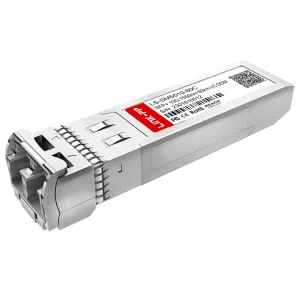
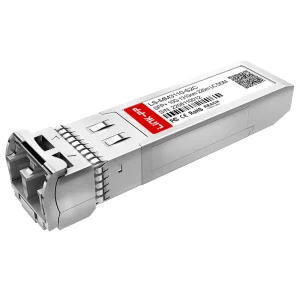
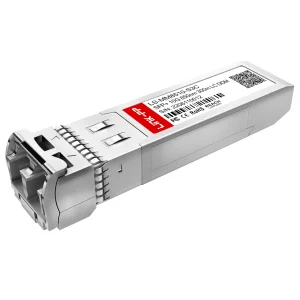
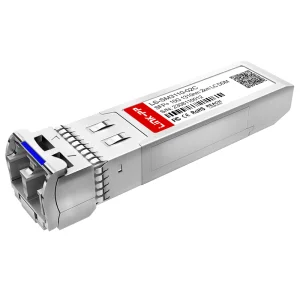
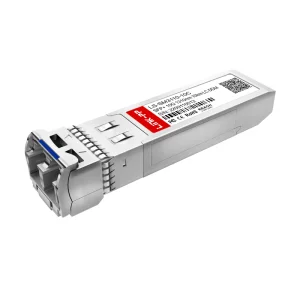
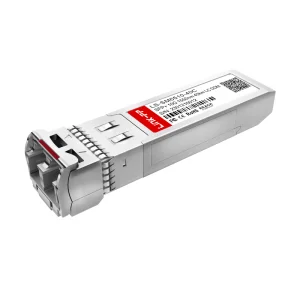
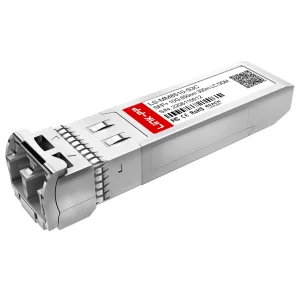
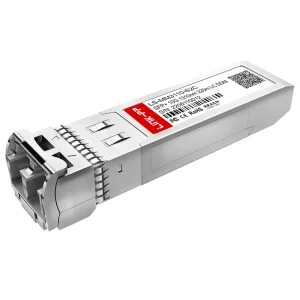
In high-speed optoelectronic production, minor component shifts can degrade connection margin and increase bit error rate (BER). To address this, Novafiber enforces comprehensive, multi-phase quality testing on all SFP+ products before shipment to Kuala Lumpur:
We verify optical eye height, eye width, jitter, and extinction ratios to guarantee high signal integrity over extended operational periods.
Transceivers undergo simulated data load testing inside actual partner equipment switches for up to 48 hours to confirm firmware stability.
Our modules are tested under real-world temperature extremes and humidity thresholds, matching local environmental challenges in the tropics.
As virtualization, AI model processing, and cloud services expand, data workloads in Malaysia are rising rapidly. Current infrastructure utilizing 10G/16G links must be planned with a clear migration path toward next-generation configurations. Upgrading directly to 25G (SFP28) or 100G (QSFP28) presents architectural challenges, particularly in structural fiber management and link budget attenuation.
Our core engineering team focuses on helping operations transit smoothly. By designing transceivers with backward-compatibility profiles, we ensure modern modules function seamlessly in legacy configurations, enabling incremental upgrades. This approach reduces initial capital expenditure while ensuring your network is ready for future capacity demands.
Explore our state-of-the-art optical transceiver cleanrooms, automated optical testing arrays, and warehouse operations.

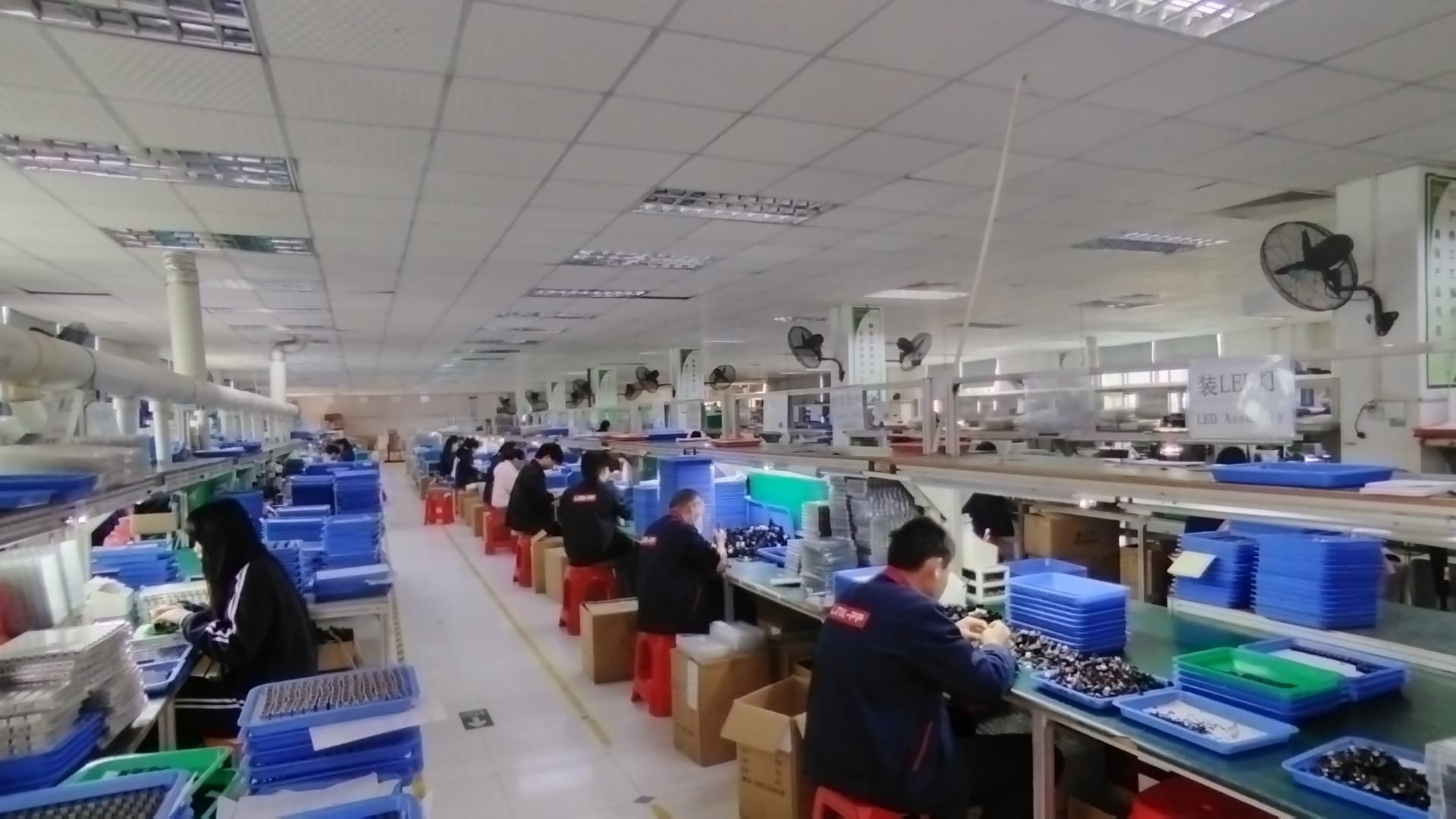
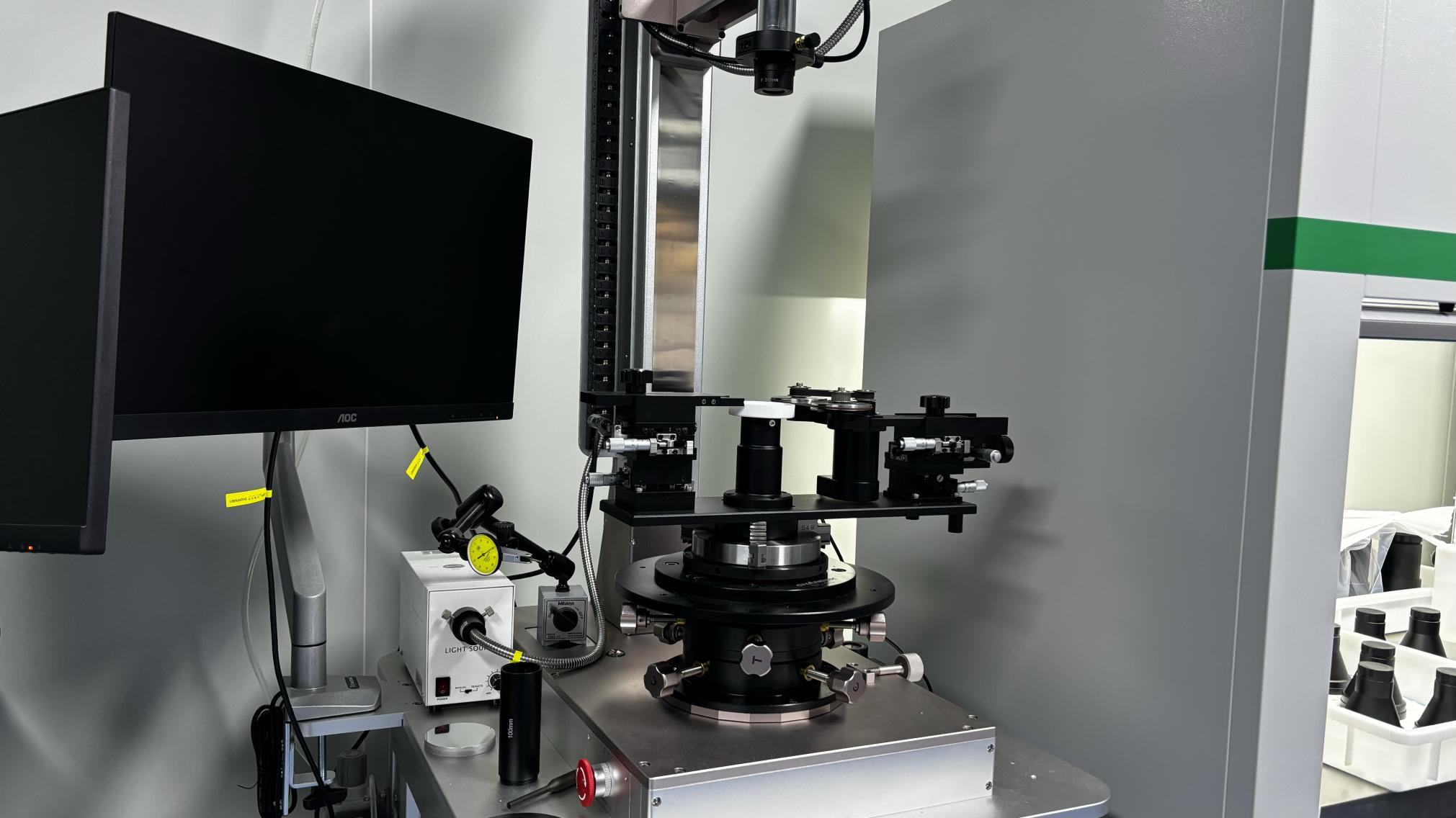
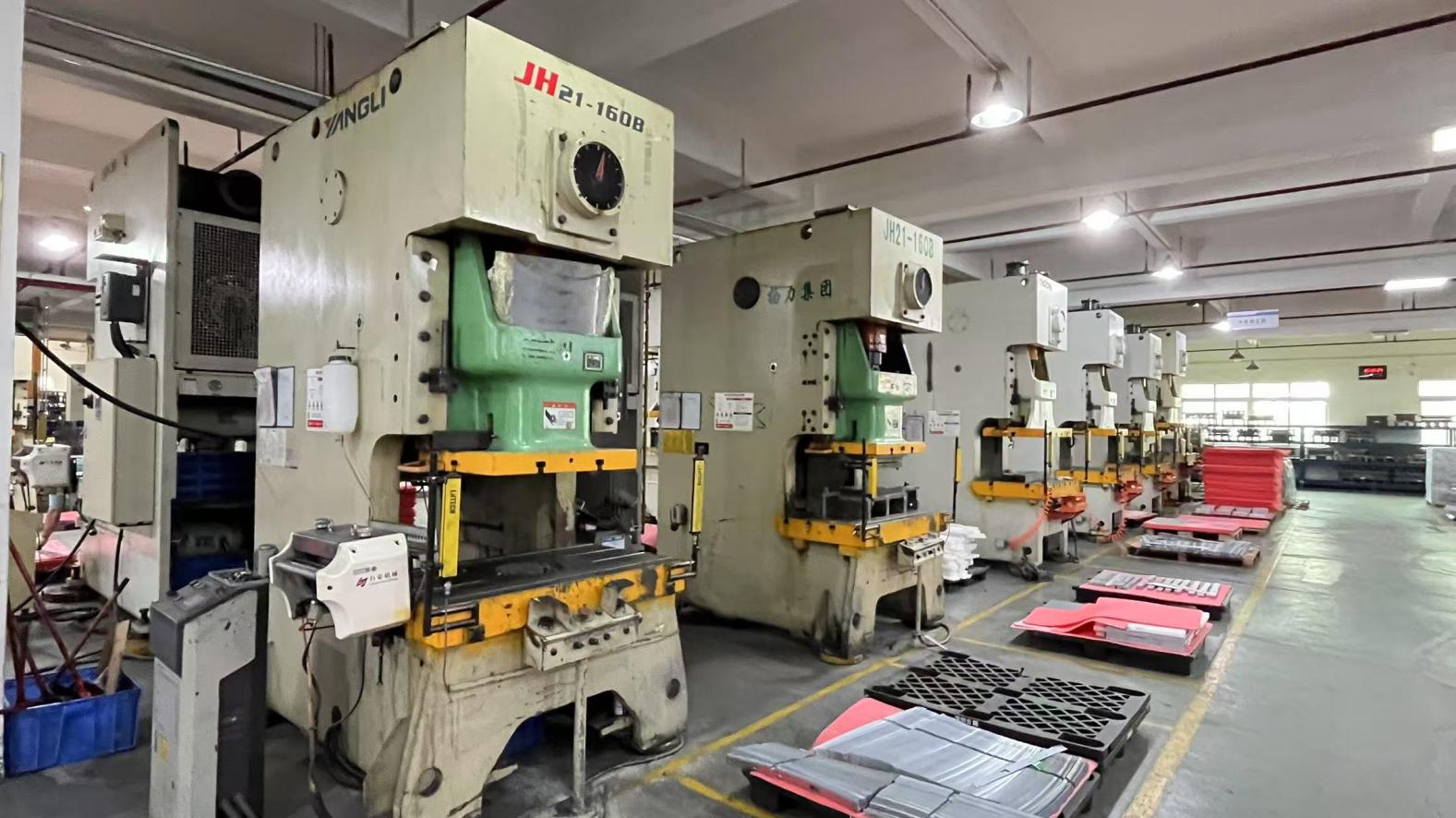
Common questions answered by our engineering team regarding interoperability, optical power budgets, and regional distribution.
Yes. Every transceiver is programmed with vendor-specific EEPROM code configurations compatible with major brands. We perform physical verification on target switches in our testing lab to ensure compatibility with your host hardware.
Standard bulk orders are processed and shipped from our factory via top-tier express courier (DHL, FedEx, or air cargo networks) directly to your facilities, with shipping times generally ranging between 3 to 5 business days.
Digital Optical Monitoring (DOM) provides real-time tracking of transmit power, receive power, operating temperature, and voltage levels. This allows operators to identify degradation early and replace components before failures occur.
Yes. Novafiber offers complete OEM/ODM options, including customized firmware, tailored transmission distances, custom labels, and personalized packaging configurations.
Partner with a direct manufacturer to lower cost, secure consistent supply, and ensure strict compatibility across your networks.