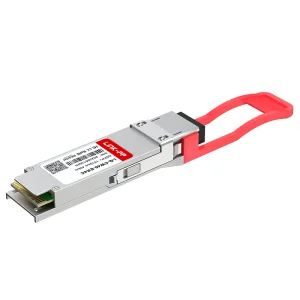
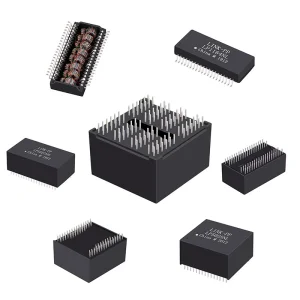
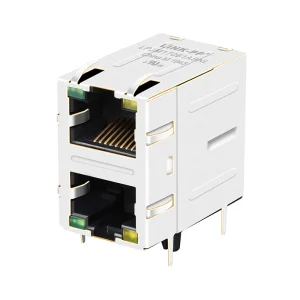
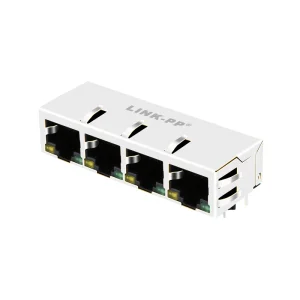
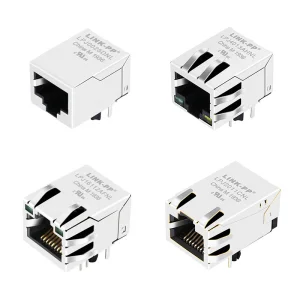
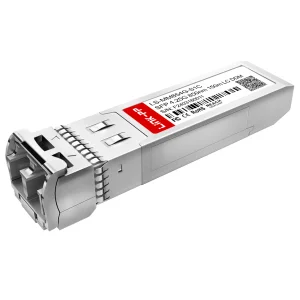
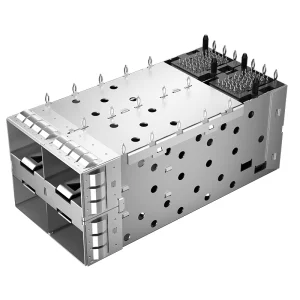
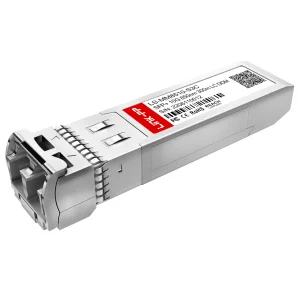
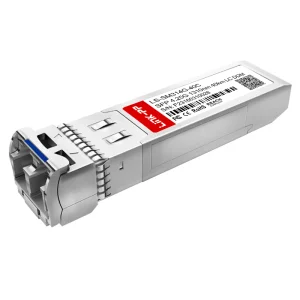
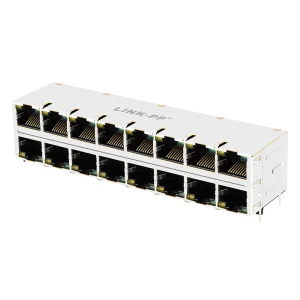
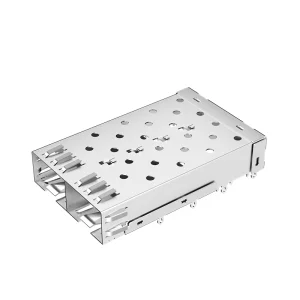
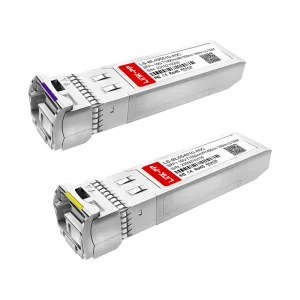
Integrating optical components, shielded connectors, and multi-port interfaces designed to enhance industrial Ethernet extender architectures and networking devices.
Novafiber Communications Co., Ltd. is a professional optical transceiver and high-reliability networking component manufacturer specializing in high-performance communication solutions.
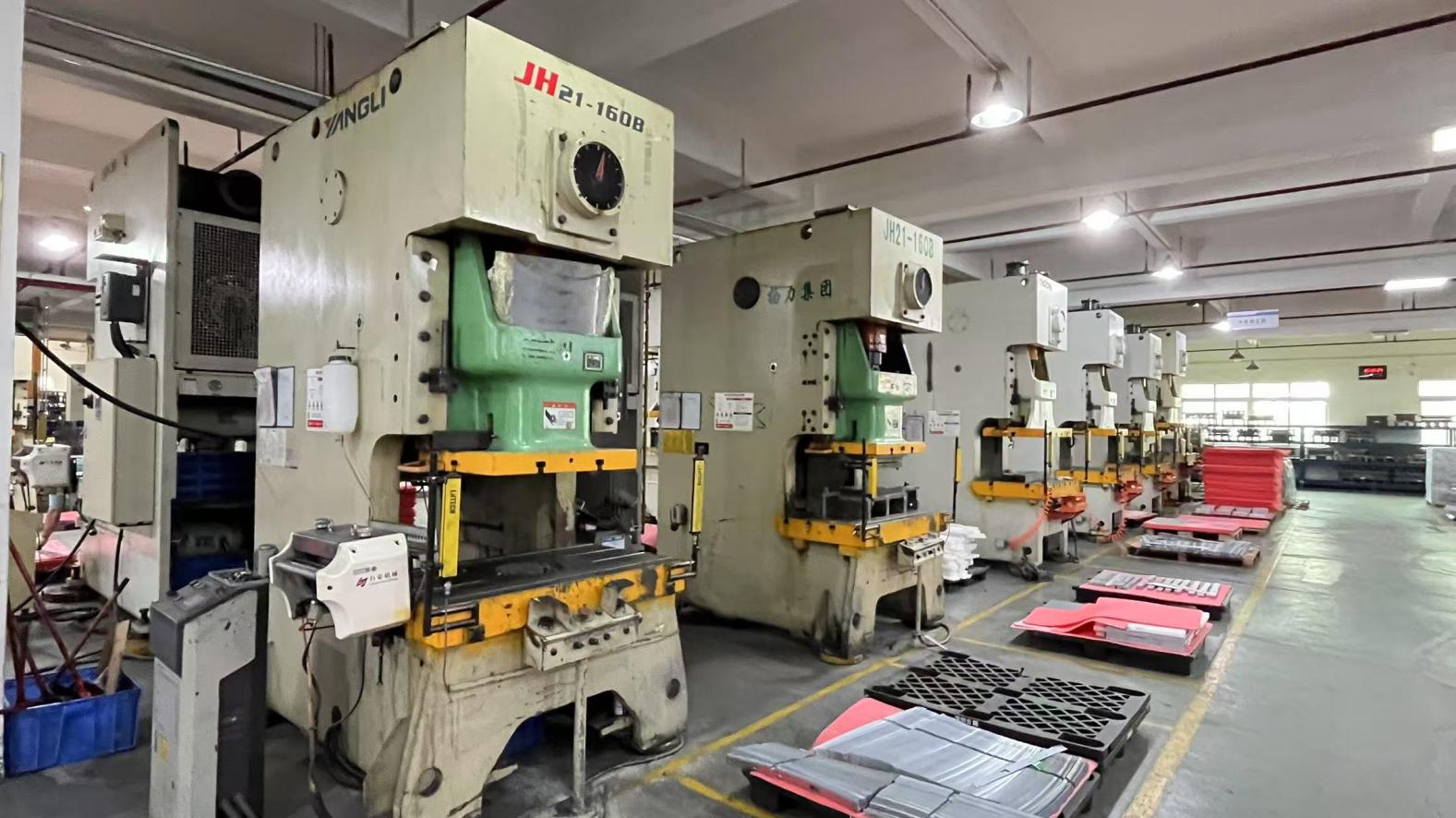
Founded in 2016, Novafiber has developed deep design, prototyping, testing, and production capabilities within a modern, specialized manufacturing facility covering approximately 420㎡. With 9 years of industry experience and 7 years of global export history, our systems cater to telecom operators, data center integrators, industrial automation firms, and security systems providers in North America, Europe, Southeast Asia, and the Middle East.
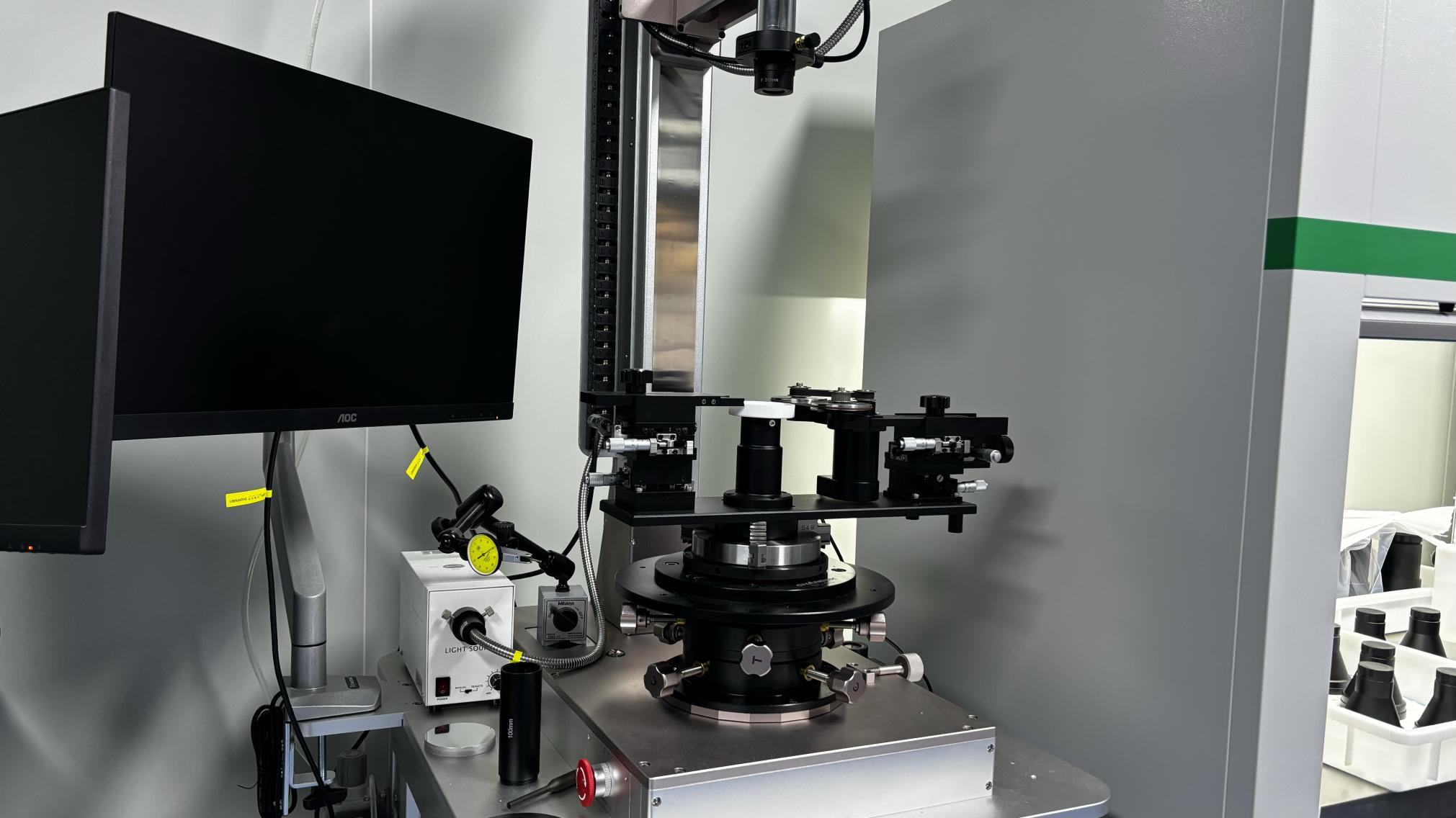
Supported by 65 QC inspection specialists, Novafiber maintains compliance with international standards, such as IPC IPC-A-610G Class 3, Automated Optical Inspection (AOI), and Environmental Stress Screening (ESS) to guarantee long-term physical layer stability. In the past fiscal year alone, Novafiber released 320 new custom products, demonstrating our ability to dynamically transition from raw OEM designs to finished ODM network components.
According to IEEE 802.3 specifications, standard Ethernet copper cabling (Category 5e, 6, or 6A UTP) is physically constrained to a transmission distance of 100 meters (approx. 328 feet). This limitation is dictated by two primary physical laws: signal attenuation and propagation delay. As high-frequency electrical pulses travel along copper conductors, skin effect, dielectric losses, and electromagnetic crosstalk (NEXT/FEXT) degrade signal amplitude and alter rise/fall profiles. Once the signal-to-noise ratio (SNR) falls below standard decibel thresholds, packet drop rates escalate exponentially, rendering standard network equipment non-functional.
For organizations managing wide-area systems—such as rail networks, offshore drilling platforms, municipal security networks, and campus backbones—deploying fiber optics is not always financially or logistically viable. Excavation, trenching, and routing fiber through historical structures or remote locations can exceed capital expenditure allocations. This is where industrial Ethernet extenders become essential. By utilizing existing infrastructure like legacy 2-wire copper twisted pairs, telephone lines, or coaxial cables, extenders transform existing wiring into high-bandwidth transmission corridors.
“Information Gain Advantage: Leveraging existing copper infrastructure to carry Ethernet traffic eliminates up to 90% of trenching expenses. The core technology lies in advanced modulation techniques—such as ITU-T G.993.2 (VDSL2) and G.hn (ITU-T G.9960)—re-encoding standard packets into robust, high-frequency waveforms capable of traversing up to 3,000 meters.”
Modern Ethernet extenders operate on two core technical standards, each suited to specific topologies:
Injecting Power over Ethernet (IEEE 802.3af/at/bt) across extended copper links enables remote deployment of IP cameras, wireless access points, and access control hardware without local AC power supplies.
Equipped with IP30/IP40/IP67 rugged metal chassis, 6KV lightning/surge immunity, ESD protection (Level 4), and wide operating temperatures (-40°C to +75°C) to prevent system downtime.
Customizable options including dynamic channel allocation, LED indicator layouts, custom firmware configurations, and multi-port options to integrate with proprietary legacy hardware setups.
Novafiber is dedicated to providing high-reliability, long-lasting products. Our production workflow includes 100% automated optical inspections (AOI), high-temperature burn-in chambers, and environmental stress screening (ESS) to guarantee peak performance in harsh environments.


Enterprise procurement managers evaluating OEM/ODM Ethernet extender manufacturers prioritize reliability, supply stability, and standards compliance. The cost of network failure in an industrial setting or transit hub far outweighs the initial price of the hardware. The purchasing strategy involves a comprehensive assessment of the following key metrics:
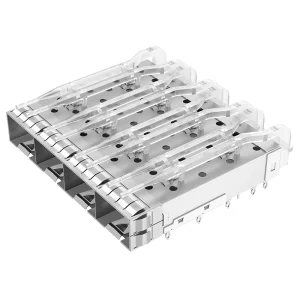
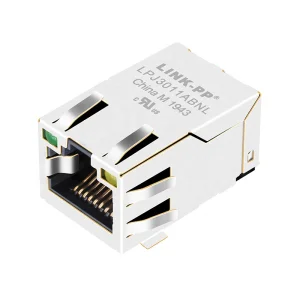
Industrial applications demand an MTBF exceeding 300,000 hours (typically calculated using MIL-HDBK-217F methods). Achieving this requires high-grade passive components, such as solid-state capacitors rated for high temperatures and magnetic transformers that protect against high-voltage surges. In addition, using shielded SFP cages and multi-port RJ45 connectors with built-in EMI filtering prevents transmission degradation caused by environmental electromagnetic interference.
For systems utilizing Power over Ethernet (PoE), the extender must manage voltage drops caused by long wire runs. A standard 24AWG copper twisted pair has a DC resistance of approximately 9.38 Ohms per 100 meters. When extending connections to 1,000 meters, this loop resistance increases to 93.8 Ohms, resulting in significant heat generation and voltage drop. OEM manufacturers address this by using wide-voltage DC inputs (typically 48V to 57V) and advanced power management controllers to deliver stable power to remote PoE devices.
Because copper conditions vary across installations, extenders must dynamically adapt their transmission rates based on signal quality. Modern extenders feature automatic SNR margin adaptation to adjust carrier frequencies in real time, preventing links from dropping during environmental noise spikes. Digital diagnostic functions (such as DDM/DOM) let operators monitor signal-to-noise ratios, line attenuation, and power outputs through web management interfaces, simplifying remote troubleshooting.
The growing demand for data at the edge of networks is shaping the development of next-generation Ethernet extension technologies. As industrial IoT devices, high-resolution PTZ security cameras, and automated machinery proliferate, the demand for bandwidth is increasing from Megabits to Gigabits. The technology roadmap shows several key transitions:
Technical guidance for design engineers, network planners, and global procurement teams selecting long-reach Ethernet hardware.
As temperatures rise, the electrical resistance of copper increases by approximately 0.4% per degree Celsius. This rise in resistance causes additional signal attenuation, reducing the maximum reachable bandwidth at long distances. Our industrial extenders are designed with dynamic temperature compensation algorithms that automatically adjust carrier levels and frequency allocations to maintain stable throughput from -40°C to +75°C.
Using a standard single 24AWG twisted pair under clean conditions, a VDSL2 extender running a symmetric profile can deliver approximately 40 to 50 Mbps down and up. If configured for asymmetric operation, download speeds can reach 70 Mbps, while uploads adjust to 20 Mbps, depending on local electromagnetic noise and terminal configuration.
Yes. Industrial extenders using the G.hn standard can operate over active DC power lines (up to 48V/110V/220V AC) by using dedicated high-pass coupling filters. These filters block low-frequency power supply hum while allowing high-frequency data carrier waves to pass through safely.
For North American markets, FCC Part 15 Subpart B and UL/cUL safety compliance are required. For the European market, CE marking (covering the EMC Directive 2014/30/EU and Low Voltage Directive 2014/35/EU) is mandatory, along with RoHS and WEEE environmental declarations. Industrial installations often also require EN 50121-4 certifications for rail systems or IEC 61850-3 for electric power utility substations.
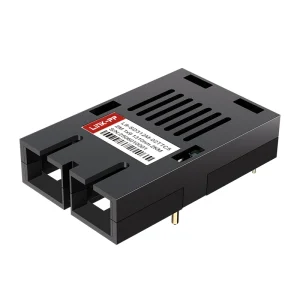
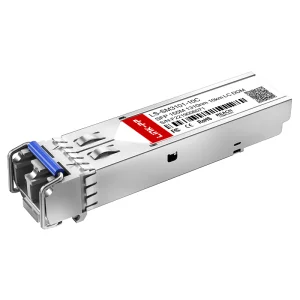
Shielded RJ45 hardware, multi-port SFP cages, and optical transceivers designed for high-density networking and media converter setups.
 Novafiber