Explore our top-tier network interface products, engineered to bridge optical networks and local electrical grid communications seamlessly.
How G.hn and HomePlug standards are transforming existing copper wire infrastructure into high-bandwidth network pipelines.
As optical fiber reaches deeper into metropolitan networks, the final hundred meters present a significant infrastructure challenge. Powerline Communication (PLC) technologies, notably governed by HomePlug AV2 and ITU-T G.hn standards, offer a non-invasive, high-speed networking alternative by exploiting existing electrical wiring. Instead of drilling walls or routing ethernet lines through historic or complex industrial buildings, powerlines function as high-frequency wave-guides.
By modulating digital signals across the 2 MHz to 86 MHz frequency spectrum, contemporary PLC modules bypass physical obstacles. Consequently, the global market has seen a strategic shift: PLC devices are no longer viewed merely as residential Wi-Fi extenders. Today, they are deeply integrated into multi-dwelling unit (MDU) broadband distribution, smart grid utility metering, industrial IoT architectures, and smart home aggregation systems.
The integration of MIMO (Multiple Input Multiple Output) technology with line-neutral-ground phase paths allows modern Powerline Adapters to exceed gigabit throughput, offering latency profiles stable enough to carry high-definition IPTV and real-time sensor data.
Demonstrated engineering excellence, state-of-the-art manufacturing facilities, and strict quality control matrices.
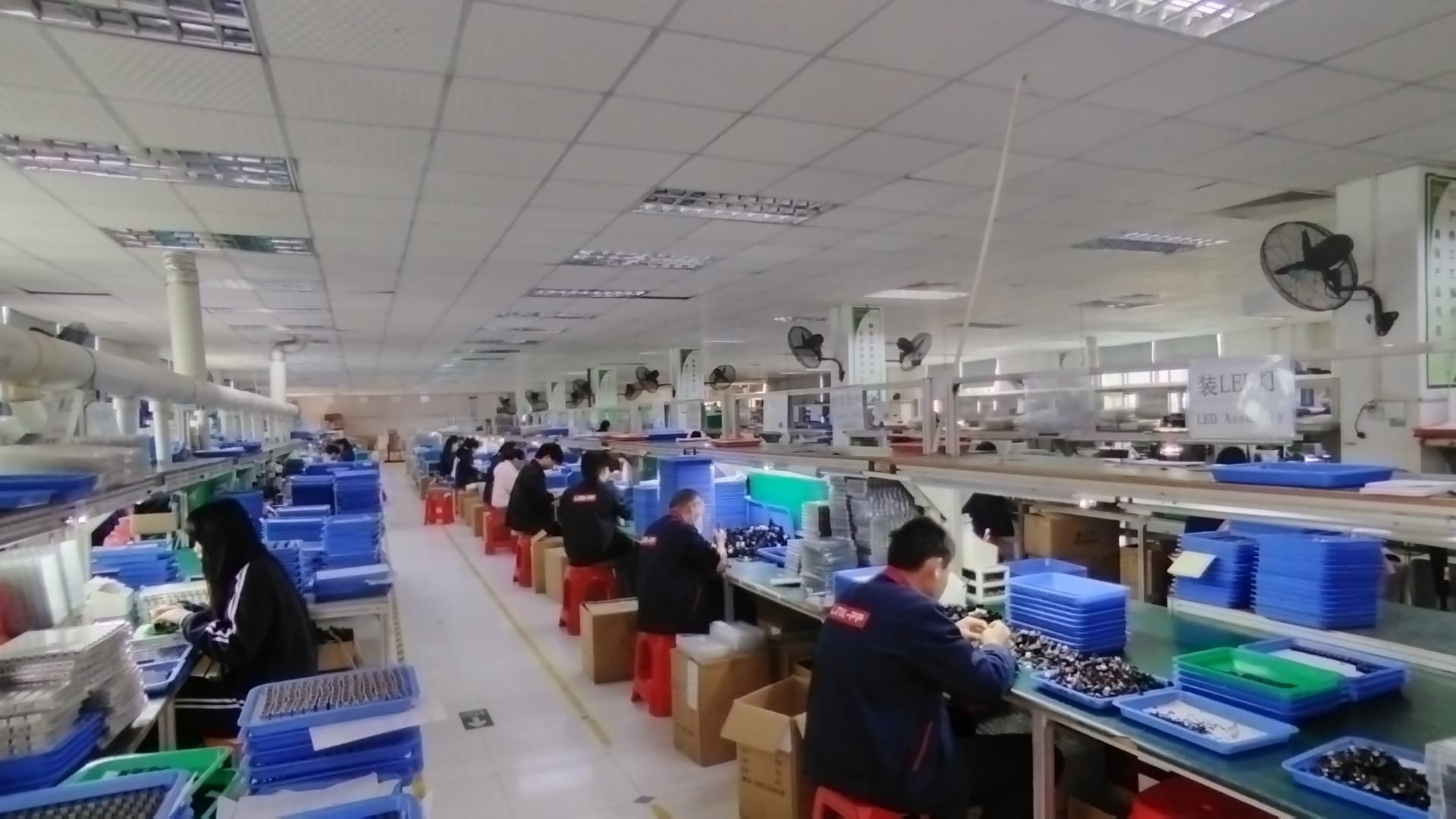
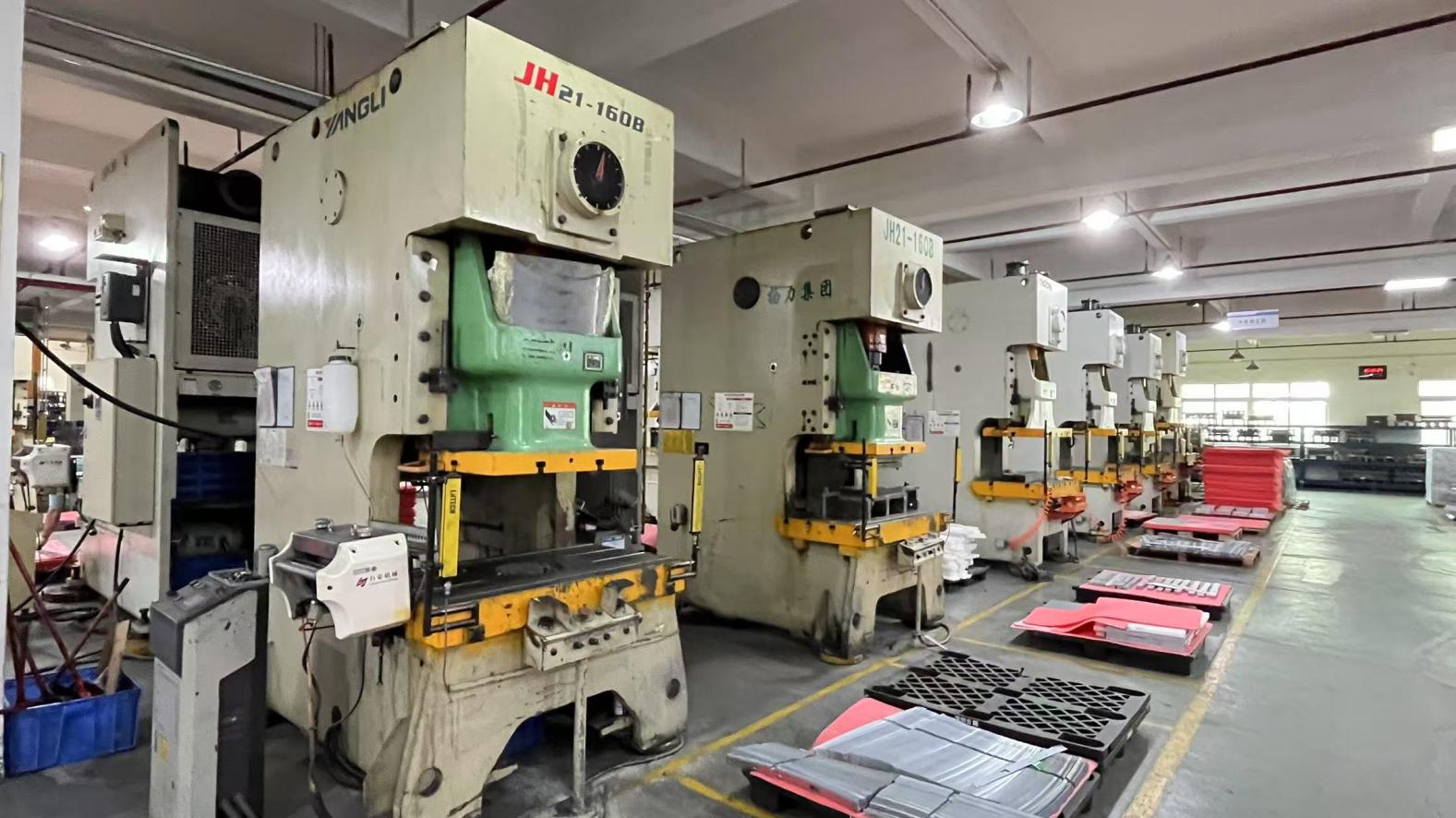
Novafiber Communications Co., Ltd. stands at the forefront of the optical and wired network hardware manufacturing ecosystem. Founded in 2016, the enterprise has spent years building a robust vertically integrated infrastructure, operating a cutting-edge production facility spanning approximately 420m². With more than 9 years of industry experience and 7 years of direct export operations, the organization has consistently delivered high-performance hardware to tier-1 network providers and global distributors.
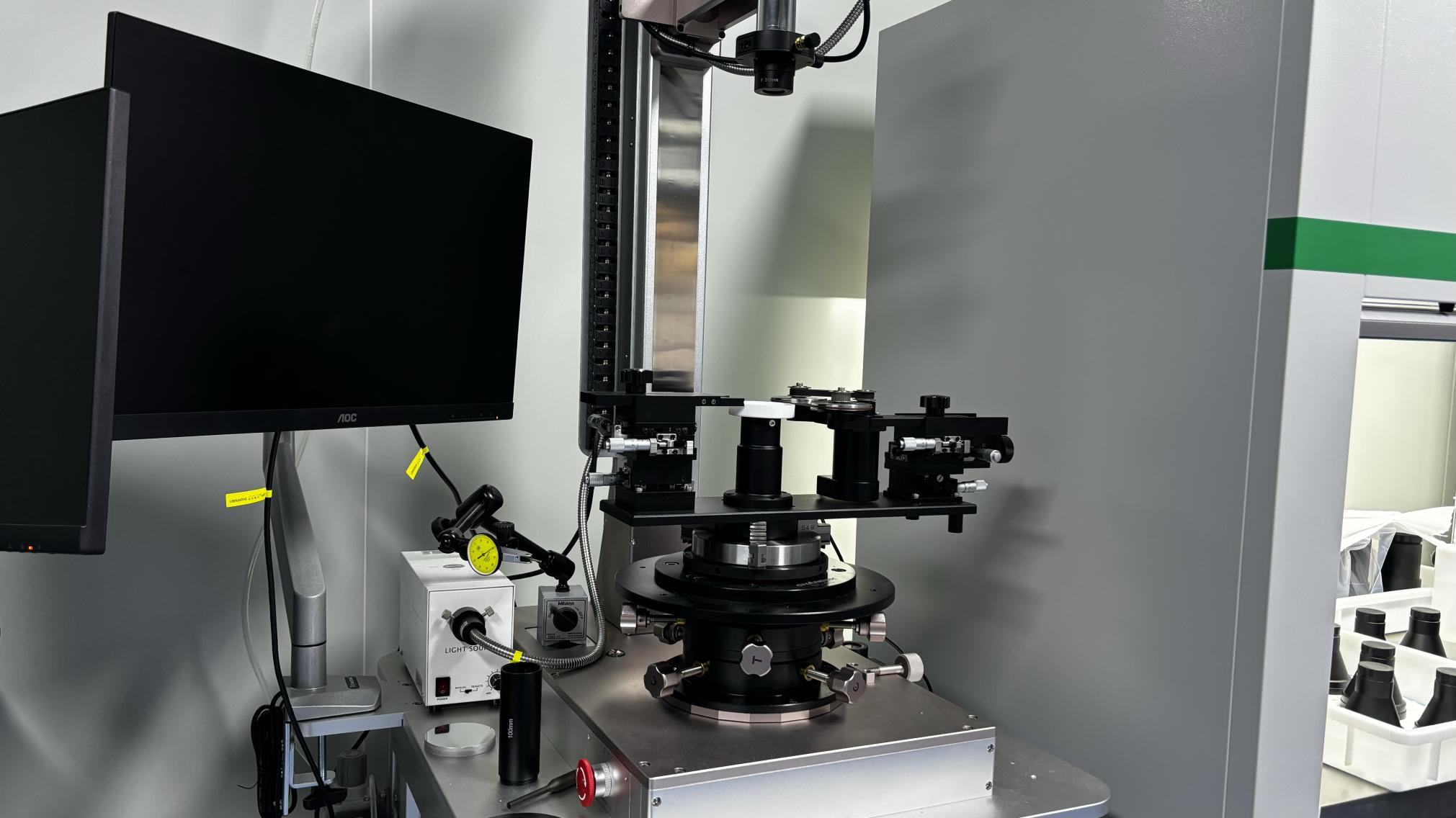
Novafiber's commitment to quality control is evidenced by its rigorous testing methodologies. Adhering strictly to IPC standards, the manufacturing workflow integrates automated optical inspection (AOI), environmental stress screening (ESS), 100% functional load testing, high-temperature aging chambers, and loopback error rate tests. This ensures that every high-speed transceiver, RJ45 magnetic connector, and interface component meets a defect rate threshold of less than 0.05% before leaving the factory floor.
Furthermore, our engineering power is validated by our 180-strong R&D division. In the past year alone, Novafiber introduced 320 new product releases, adapting to shifting protocols, physical layer form factors, and next-generation powerline-to-fiber hybrid topologies.
Analyzing regional demand, industrial adoption, and regulatory compliance standards.
Driven by smart home retrofitting, security camera backhauls, and the deployment of MDU broadband. Strict adherence to FCC Part 15 and EN 50561 EMI guidelines is mandatory.
Industrial PLC modules are increasingly integrated into smart meters and substation monitors, leveraging low-frequency bands for reliable telemetry over multiple kilometers.
Within factories, PLC eliminates physical wiring complexity on robotic assembly lines, providing reliable communication interfaces through structural metal and high-noise environments.
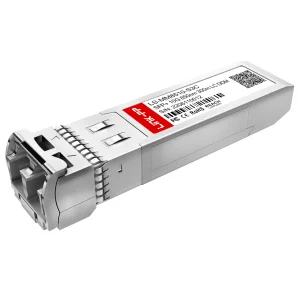
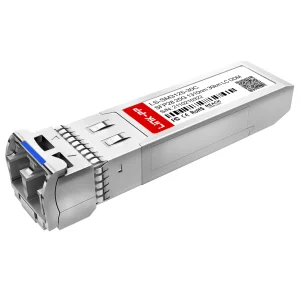
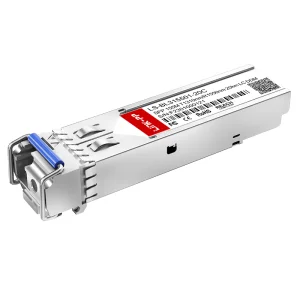
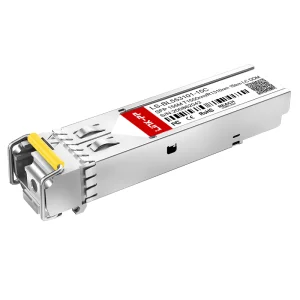
Modern system architects often pair Powerline Communication bridges with fiber media converters. For example, high-speed SFP modules act as the primary distribution link to a multi-dwelling unit's main distribution frame (MDF). From there, Powerline Adapters transmit signals to individual apartments via existing copper wires, eliminating the need to install new fiber lines. This hybrid topology minimizes capital expenditure while ensuring Gigabit-class speeds at each user endpoint.
The future of PLC silicon, spectral management, and physical layer optimizations.
The technical trajectory of Powerline Adapters is characterized by continuous optimization of physical-layer (PHY) throughput and spectral efficiency. The legacy HomePlug AV standard pioneered Orthogonal Frequency Division Multiplexing (OFDM) over electrical grids. The evolution to HomePlug AV2 introduced MIMO capability, allowing devices to transmit data over two separate channel paths: Phase-Neutral and Phase-Ground.
Currently, the market is transitioning toward ITU-T G.hn Wave 2 standards. Operating up to 200 MHz, G.hn Wave 2 supports dynamic bandwidth allocation, robust forward error correction (LDPC), and automatic phase correlation. This enables physical link rates to reach up to 2400 Mbps, translating to real-world application throughputs exceeding 1.2 Gbps.
Looking ahead, the industry is exploring hybrid technologies that combine PLC with optical networking components (like SFP+ 10G modules) and wireless protocols (Wi-Fi 7). By combining these technologies, enterprise access points can dynamically switch traffic between powerline paths, optical links, and wireless frequencies. This approach provides unprecedented network redundancy and reliability, ensuring zero-packet-loss connectivity in harsh, interference-prone industrial settings.
Real-world case studies detailing the integration of wired infrastructure and high-speed network interfaces.
In historic properties where drilling is legally prohibited, a fiber optical transceiver brings the backbone connection to the basement. From there, PLC modules route the signal through existing wiring, delivering Gbps speeds directly to tenants.
Industrial IP cameras mounted on exterior poles often lack Ethernet backhauls. By utilizing PoE-compatible PLC adapters, security networks can transmit high-definition video over existing power lines, significantly reducing installation time and cabling costs.
Power distribution substations rely on narrow-band PLC (G3-PLC / PRIME) to monitor electrical usage and transformer health across extensive grids, avoiding the high cost of cellular telemetry.
Inside our advanced laboratory and production floor, ensuring quality, reliability, and scale.

Integrating optical transport and localized copper distribution for zero-latency network backplanes.
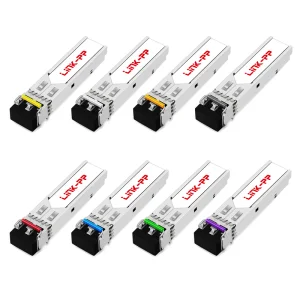
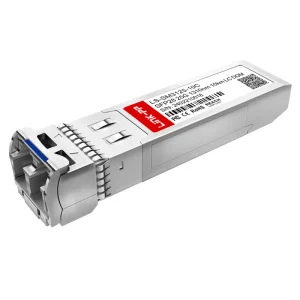
As the demand for ultra-fast, reliable connectivity grows, relying on a single networking medium is no longer sufficient. Enterprise environments need a hybrid strategy that combines the high capacity of fiber optic cabling with the flexibility of electrical wiring. The Fiber-to-the-Room (FTTR) + PLC hybrid framework meets this need by routing optical fibers (equipped with 10G or 25G SFP transceivers) to localized distribution hubs. From there, PLC modules deliver high-speed data to individual end devices over existing power lines.
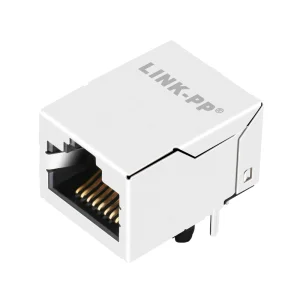
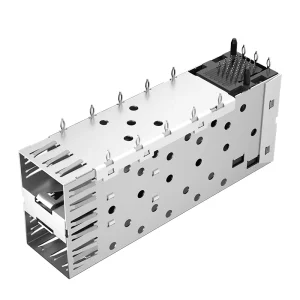
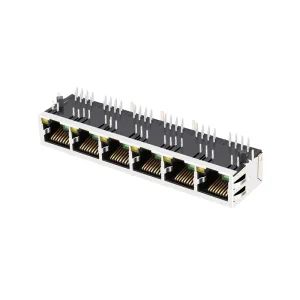
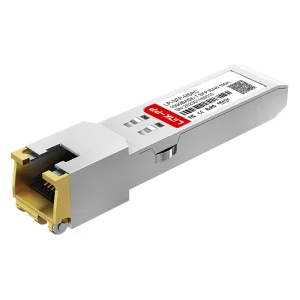
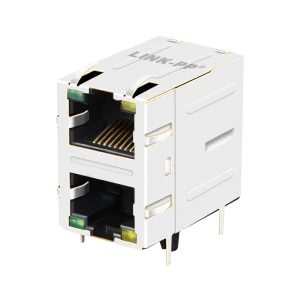
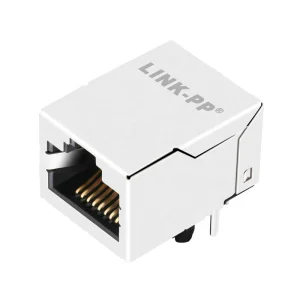
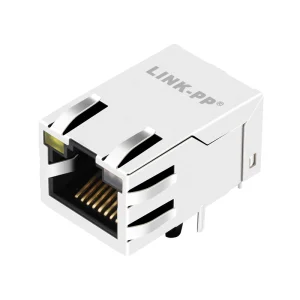
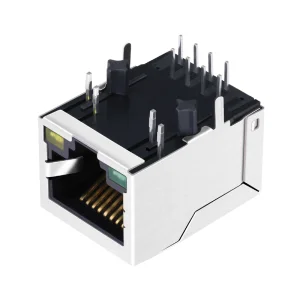
This design uses advanced RJ45 magnetic connectors and SFP interfaces to ensure clean transition signals between optical fibers and copper powerlines. Incorporating robust EMI shielding and high-performance magnetics prevents electromagnetic interference from high-frequency industrial machinery, providing stable, long-distance data transmission without packet drops.
Technical clarifications for system engineers and procurement directors.
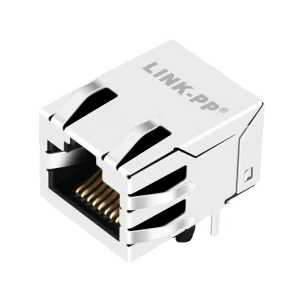
High-precision components built to meet strict IPC and telecom standards.
 Novafiber