Explore our state-of-the-art optical transceiver modules, low-profile magnetic connectors, and EMI-shielded cage structures engineered for modern telecommunication matrices.
Founded in 2016, Novafiber Communications Co., Ltd. is a highly specialized, technology-driven optical transceiver manufacturer and connection architecture developer. We supply critical infrastructure solutions to global data centers, telecommunication operators, and enterprise networking ecosystems. With over 9 years of industry experience and 7 years of direct export history, we have earned a reputation as a trusted OEM/ODM manufacturer in the optical communications arena.
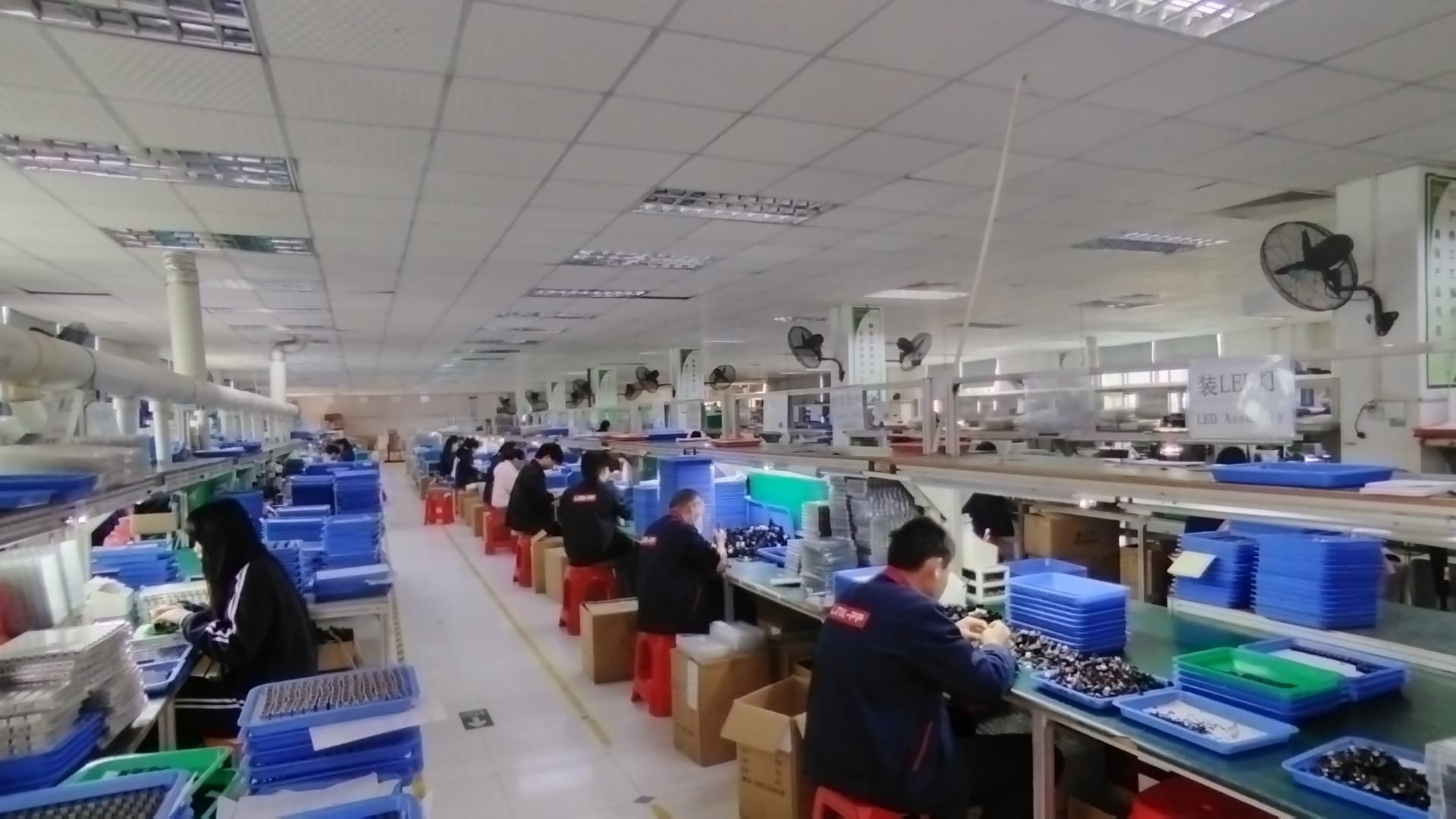
Our modern manufacturing facility spans approximately 420㎡ and is optimized for the production of fiber optic transceivers, network interface hardware components, and modular connectors. Powered by a flexible network of more than 1,200 supply chain partners, we scale production smoothly from low-volume customization to massive runs, delivering stability and speed that keep our global clients ahead of the curve.

Whitepaper detailing the technical standards, quality control methodologies, and physical architectures required for next-generation network hardware.
Our facility employs 65 quality inspection personnel. Every module is verified using automated optical testing, environmental stress screening (ESS), and high-temperature aging tests following strict IPC standards.
With 180 experienced R&D engineers, we designed and released 320 new product variants in the past year. We cover configurations from 1G SFP up to 800G optical architectures.
We offer firmware modifications, Multi-Source Agreement (MSA) EEPROM customization, and dedicated technical integration services to match regional and hardware environment requirements.
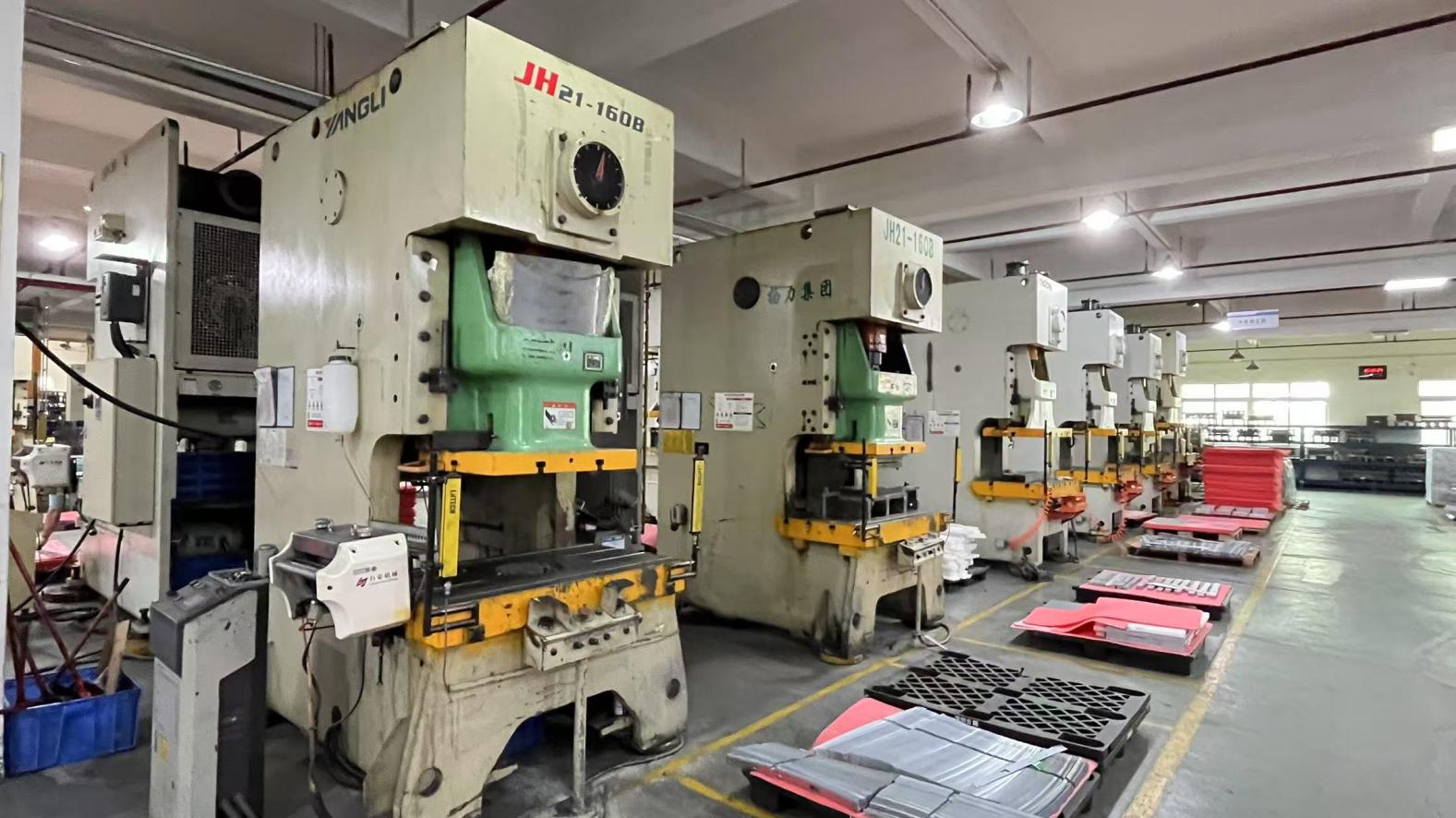
The manufacturing ecosystem in China is the backbone of global high-speed telecommunications infrastructure. Because the hardware requires tight alignment, low insertion loss, and reliable signal integrity, a localized supply chain is vital. Our operations in mainland China draw components from a comprehensive network of over 1,200 supply partners, giving us rapid access to raw materials, PCB fabrication services, optical sub-assemblies (OSA like TOSA and ROSA), and precision metal stamping for optical transceivers and shielding cages.
Why this matters: For global procurement directors, this integrated supply chain eliminates logistics delays. Instead of coordinating components across different regions, our factory integrates every phase: from structural design and electrical simulation to automated assembly and testing. This close coordination keeps production costs down and ensures fast turnaround times for bulk orders.
One of the biggest hurdles in network deployments is hardware compatibility. Modern switches, routers, and server network cards use vendor-locking systems to restrict third-party optics. Our engineering team addresses this by developing dynamic software architectures. We write custom EEPROM firmware codes to emulate major OEM brands like Cisco, Juniper, Arista, and Intel.
Additionally, we adjust transceiver settings for specific regional environments. This includes tweaking the output power of lasers to handle regional temperature swings, modifying digital diagnostics monitoring (DDM) thresholds to fit custom systems, and tailoring physical connection structures (such as low-profile tab orientations or waterproof IP-rated configurations) for localized outdoor base stations and enterprise server racks.
In high-density server clusters, failures can cause costly downtime. To ensure reliability, Novafiber operates an advanced quality control setup managed by 65 dedicated inspection technicians. Our testing framework is built around three core pillars:
A. Electrical Signal Integrity and Automated Eye Diagram Analysis: Every transceiver undergoes automated testing to evaluate jitter, signal-to-noise ratio, and optical power. This keeps the Bit Error Rate (BER) within strict specifications.
B. Environmental Stress Screening (ESS) and Thermal Cycle Testing: Network cards and modules operate in demanding thermal settings. Our products are tested in environmental chambers to ensure stable performance across extreme operating ranges—from standard commercial conditions (0°C to 70°C) to rugged industrial temperatures (-40°C to 85°C).
C. Global Regulatory & Safety Compliance: To support global deployments, our products comply with international standards. We manage and certify our hardware against CE, FCC, RoHS, and REACH requirements, giving procurement teams confidence that the modules can be integrated into any data center worldwide.
The rise of artificial intelligence, high-performance computing, and cloud virtualization is driving the need for faster network speeds. Standard 10G and 25G connection architectures are transitioning toward 100G, 400G, and 800G infrastructure. At these speeds, traditional copper links face physical limitations due to high insertion loss and heat dissipation.
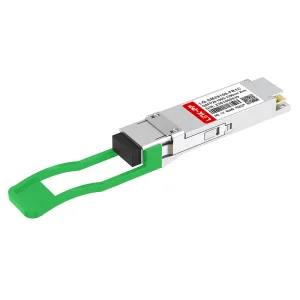
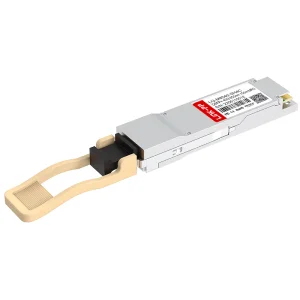
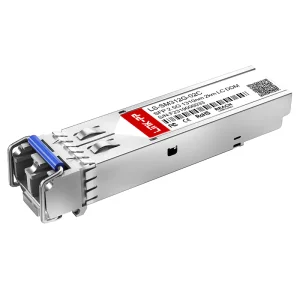
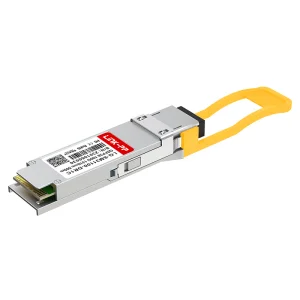
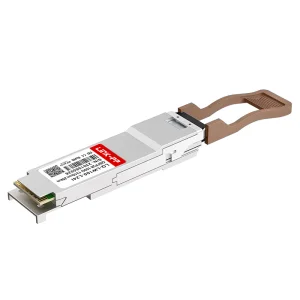
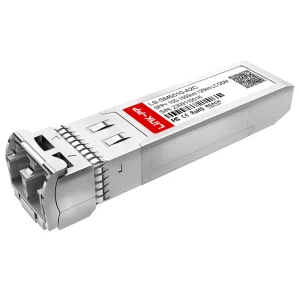
As a result, optical transceiver technology is moving toward silicon photonics and co-packaged optics (CPO). This transition helps lower transmission latency and energy use per bit. Novafiber is actively developing and shipping products to support these high-speed requirements. Our current lineup includes single-mode QSFP28 modules, duplex and simplex bi-directional configurations, and high-performance connector systems designed to maintain clean signals in demanding environments.

Understanding how connection hardware performs in actual installations is key to choosing the right options. The following scenarios highlight where our products are commonly used:
Scenario A: High-Density Metropolitan Networks (Telecom Base Stations)
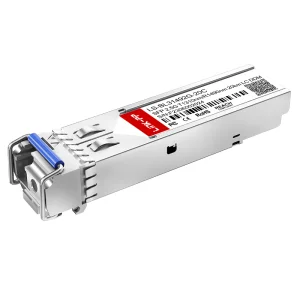
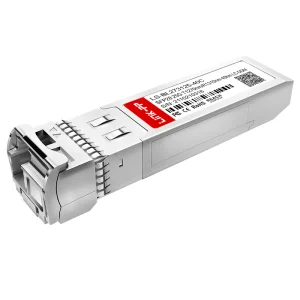
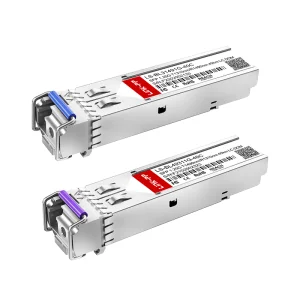
Telecom operators deploying long-haul networks rely on our bi-directional (BiDi) transceiver modules. Because BiDi modules send and receive data over a single fiber strand using split wavelengths, operators can double their fiber capacity without running new cables, saving on deployment costs.
Scenario B: Enterprise Data Centers and Multi-Tenant Facilities
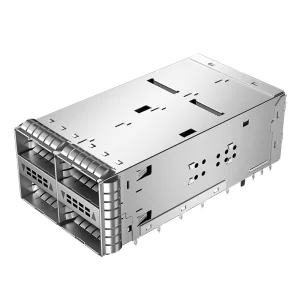
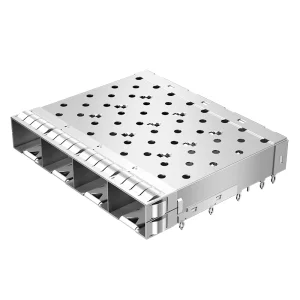
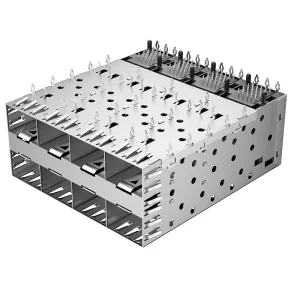
For companies upgrading from 10G to 100G architectures, our QSFP28 modules and TE-compatible cages provide a reliable way to boost speed. Our press-fit, shielded cages minimize EMI noise, ensuring clear signals and steady throughput across dense server configurations.
Scenario C: Ruggedized Industrial and Outdoor Installations
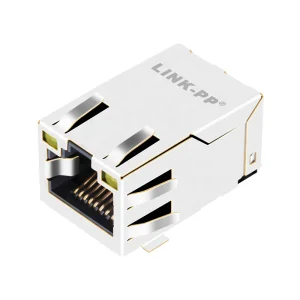
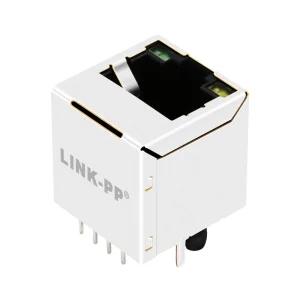
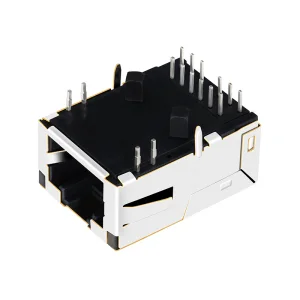
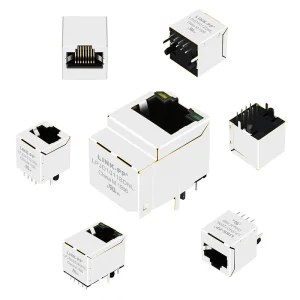
In harsh environments like municipal security networks, traffic controls, and smart grid systems, hardware faces dust, humidity, and wide temperature swings. In these setups, our IP-rated waterproof RJ45 connector systems protect connection ports from moisture and grit, ensuring reliable network performance over the long term.
Answering critical engineering and procurement questions regarding transceiver specifications, cage integration, and supply chain processes.
BiDi transceivers use Wavelength Division Multiplexing (WDM) to transmit and receive signals over a single strand of fiber at different wavelengths (for example, 1270nm-TX and 1310nm-RX). This allows you to double your bandwidth capacity without laying new fiber cables, significantly reducing raw fiber deployment costs. Duplex modules, by contrast, require two dedicated strands: one for transmitting and one for receiving.
Our TE-compatible cages feature EMI-shielding gaskets, spring fingers, and press-fit pins that establish a secure connection with the host system's printed circuit board (PCB). By sealing the gap between the transceiver module and the enclosure wall, they prevent high-frequency noise from escaping, protecting nearby signal traces from interference.
Yes. Our R&D team writes specific Multi-Source Agreement (MSA) EEPROM data codes to match host devices. This programming enables our transceivers to work seamlessly in switches and network cards from major brands like Cisco, Arista, Juniper, and Intel, bypassing vendor-locking restrictions.
We use a rigorous quality control framework. This includes checking signal quality via eye diagram analysis, performing automated optical tests, and running thermal cycles (-40°C to 85°C) to ensure performance under stress. We also run 100% functional burn-in tests to catch any premature failures before shipment.
View additional options in our inventory, including high-speed QSFP28 modules, SFP+ cages, and waterproof RJ45 connections designed for challenging deployments.
 Novafiber