As the digital backbone shifts toward 800G and beyond, the role of Fiber Optic Splitters (FOS) has evolved from simple signal distribution to highly optimized spectral management. In 2024, the global demand is driven by the hyper-expansion of hyperscale data centers and the imperative of FTTR (Fiber to the Room) deployments in Europe and North America.
Industry leaders are now prioritizing CE Certification as a non-negotiable benchmark, ensuring that components meet stringent electromagnetic compatibility (EMC) and low voltage directives (LVD) required for mission-critical infrastructure.
The transition from FBT (Fused Biconical Taper) to PLC (Planar Lightwave Circuit) technology is nearly complete for high-density applications. Current R&D focus is on ultra-low insertion loss (IL) and high spectral uniformity across the O, E, S, C, and L bands.
The rise of AI-driven networks necessitates splitters that can handle higher power thresholds and exhibit minimal Polarization Dependent Loss (PDL), ensuring signal integrity for large-scale GPU clusters.
Global Tier-1 operators are moving away from spot-buying to Strategic Supply Chain Partnerships. Key procurement KPIs now include Environmental Stress Screening (ESS) data, long-term aging test reports, and factory transparency regarding raw materials like silica on silicon and high-precision V-grooves.
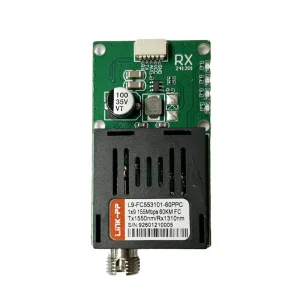
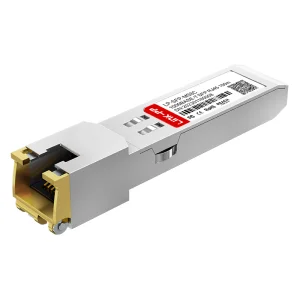
Novafiber Communications Co., Ltd. specializes in high-performance fiber optic communication solutions. With over 9 years of industry experience and a modern production facility, we ensure that every CE-certified splitter and transceiver meets the rigorous demands of global telecom operators and cloud service providers.
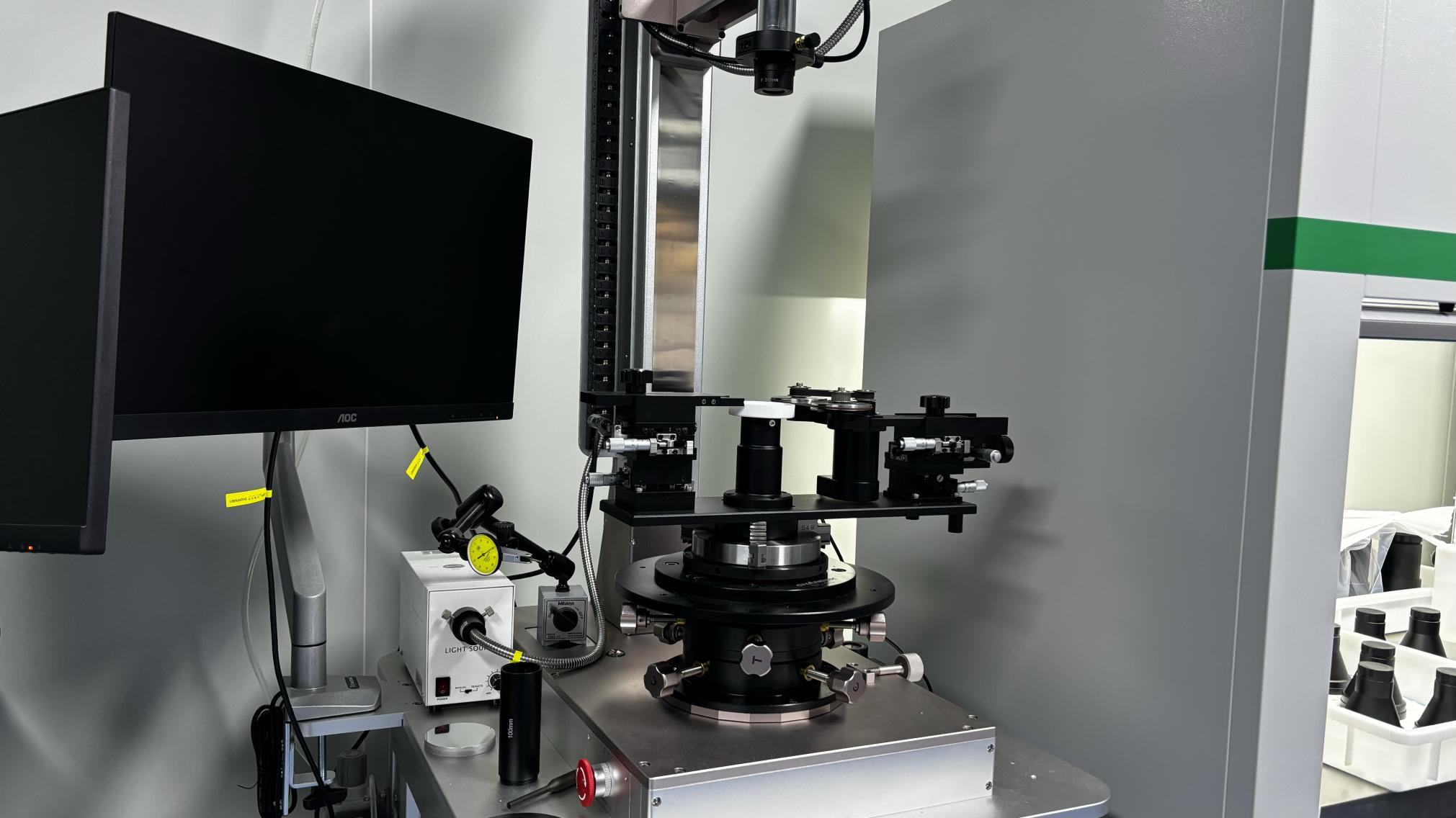
Our "Factory 4.0" approach integrates Automated Optical Testing (AOT) and AI-assisted alignment systems. This significantly reduces human error in the delicate process of coupling fibers to PLC chips. By maintaining a 65-person strong quality inspection team, we achieve a defect rate of less than 100ppm (parts per million).
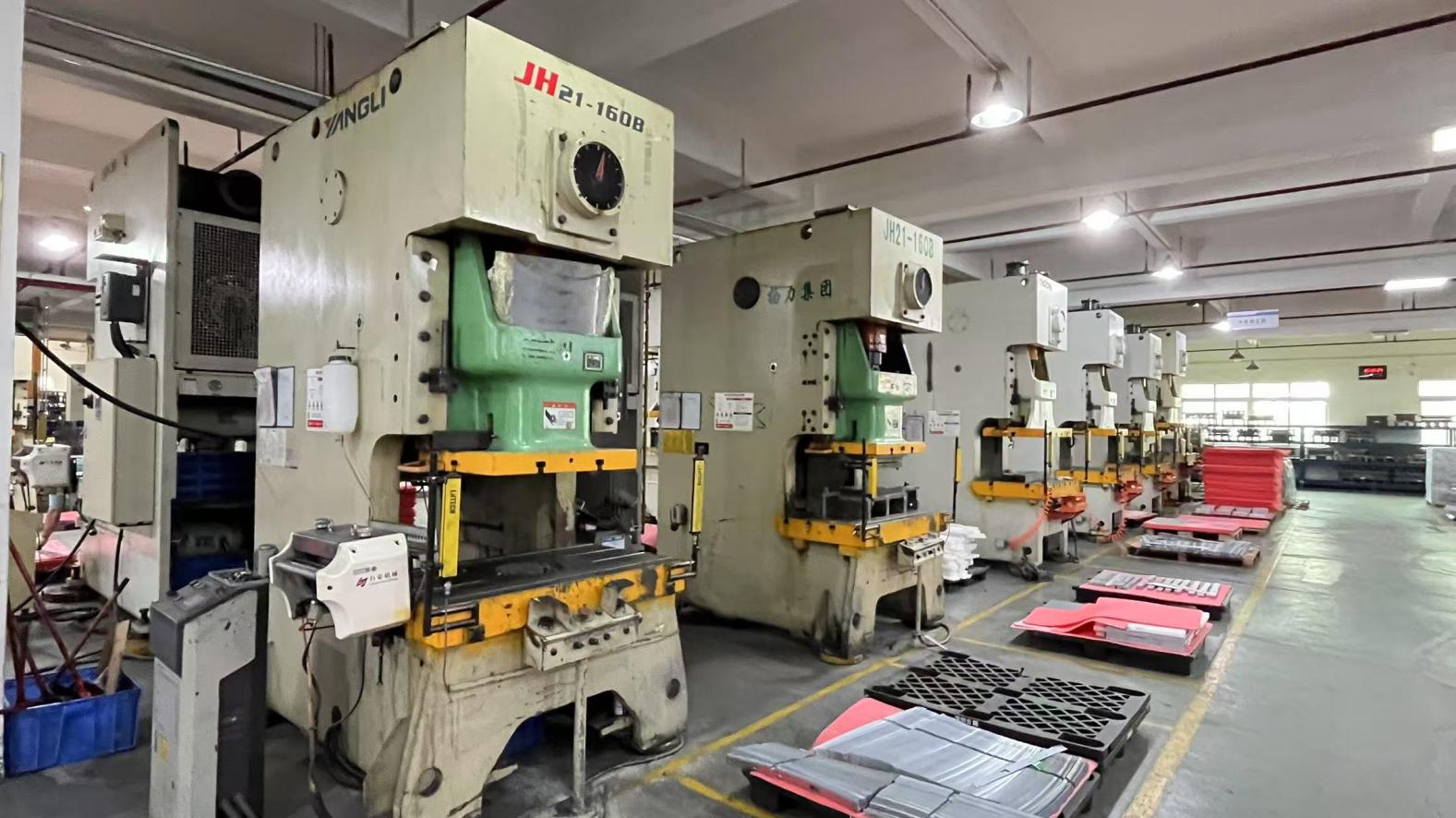
The Supply Chain Resilience of Novafiber is built on a network of 1,200+ vetted partners, allowing us to maintain stable production even during global raw material fluctuations. Our 420㎡ specialized facility is optimized for lean manufacturing, ensuring fast lead times without compromising on IPC quality standards.


Utilizing 1x32 and 1x64 PLC splitters in Outdoor Distribution Hubs (ODH). Our CE-certified components withstand extreme temperature variants from -40°C to +85°C.
High-density rack-mounted splitters for signal monitoring and redundant pathing in Leaf-Spine architectures. Optimized for low IL to maintain power budgets for 400G/800G links.
Ruggedized splitter modules for city-wide surveillance and industrial automation sensors, where EMI shielding and high vibration resistance are critical.
The selection of a Fiber Optic Splitter (FOS) is critical to the Optical Power Budget of any network. At Novafiber, we emphasize the technical superiority of PLC (Planar Lightwave Circuit) splitters for high-split ratios. Unlike FBT splitters, which are created by twisting and melting fibers together, PLC splitters use a silica glass waveguide circuit and a V-groove fiber array. This process allows for 1xN and 2xN splits with extreme precision.
For global procurement managers, the key "Information Gain" lies in understanding Spectral Uniformity. A CE-certified splitter from our factory ensures that power is distributed equally across all output ports with a deviation of less than 0.8dB for a 1x8 split. This is vital for GPON and EPON networks where uneven power can lead to "Optical Path Loss" alarms at the ONT (Optical Network Terminal).
Furthermore, our China Factory 4.0 initiatives have addressed the industry-wide challenge of Low Temperature Sensitivity. By using aerospace-grade adhesives and high-purity silica chips, Novafiber splitters maintain stable insertion loss even during rapid thermal cycling. This reliability is why we have achieved an annual export revenue of USD 8.5 million, serving the most demanding markets in North America and Europe.
In the context of 5G Backhaul, optical splitters are being used in C-RAN (Cloud Radio Access Network) architectures to maximize fiber utilization. Our splitters support a wide wavelength range from 1260nm to 1650nm, making them future-proof for Next-Generation PON (NG-PON2) which utilizes multiple wavelengths on the same fiber strand.
 Novafiber