In recent years, the demand for high-speed data transmission has surged. According to a report by ResearchAndMarkets, the global market for optical transceivers is expected to reach $7.4 billion by 2025. This rapid growth is fueled by the increasing need for bandwidth in data centers and enterprise networks. Within this landscape, QSFP transceivers stand out as a leading solution.
QSFP transceivers offer compact design and impressive data rates. They can support up to 400 Gbps, making them ideal for modern networking applications. Tech giants and service providers are adopting these transceivers at an accelerating pace. For example, a recent study by Dell’Oro Group highlighted that QSFP ports dominate the 100G and 400G segments. This trend cannot be ignored.
However, selecting the right transceiver can be challenging. With various options available, buyers often face uncertainty. It's essential to consider factors like compatibility, heat dissipation, and future scalability. QSFP transceivers provide a reliable and flexible choice for those looking to meet their networking needs efficiently. As technology continues to evolve, understanding these components' value is critical in driving effective network performance.
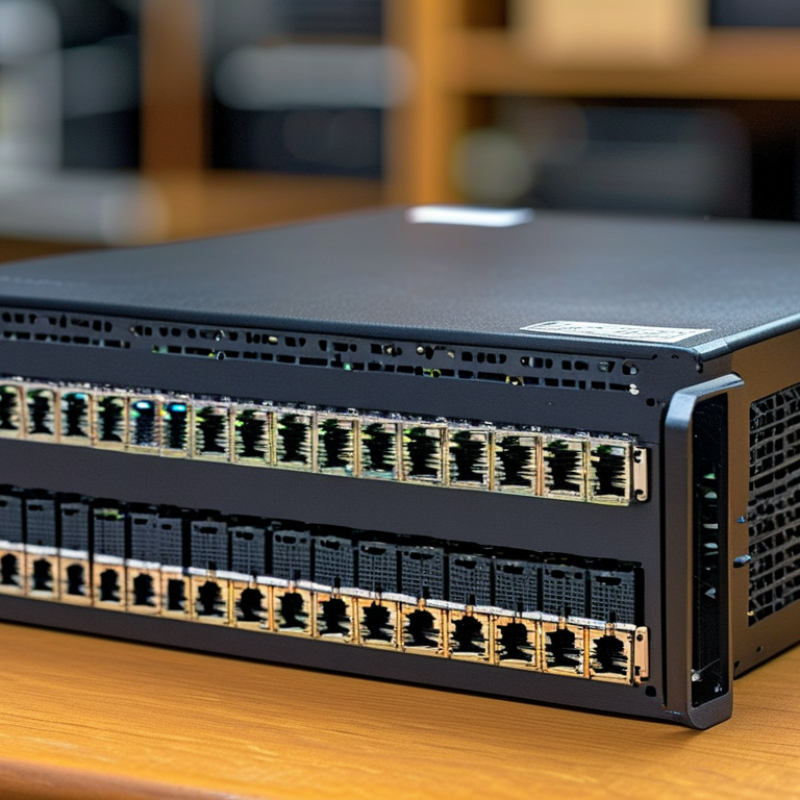
QSFP transceivers have gained traction in modern networking due to their exceptional capabilities in high-speed data transmission. According to a recent study, QSFP modules can support data rates of 40 Gbps and higher, significantly enhancing network performance. These devices facilitate efficient data center operations, meeting the escalating demands for bandwidth as video streaming, cloud computing, and big data analytics proliferate.
In practical applications, QSFP transceivers help reduce latency and increase throughput in data-heavy environments. Reports indicate that businesses can experience up to a 25% increase in transmission efficiency when utilizing QSFP modules over traditional options. Moreover, the compact design of QSFP allows for higher port density, which is crucial for optimizing physical space in server racks. Yet, it’s important to remember not all installations will benefit equally.
While the advantages are clear, organizations must also consider potential compatibility issues. Not every QSFP module works seamlessly with existing network equipment. Testing is often necessary to ensure performance optimization. As the networking landscape evolves, investing in the right transceiver will ultimately depend on specific use cases and infrastructure needs.
When choosing a transceiver for networking, QSFP stands out due to its impressive capabilities. Compared to traditional SFP or SFP+ modules, QSFP can handle more data. It typically supports 40 Gbps or even higher rates. This high bandwidth is invaluable for data centers and enterprise networks that demand fast, reliable connections.
In contrast, SFP modules offer lower speeds, usually up to 1 Gbps or 10 Gbps. While they can be sufficient for smaller networks, they tend to bottleneck larger systems. Consider how growing data demands might affect your choice. The QSFP's compact design also allows for higher port density, meaning you can achieve more connections in less space. However, this density requires careful planning regarding cooling and cable management.
Another consideration is power consumption. QSFP transceivers can use more energy than their lower-speed counterparts. Organizations must weigh the advantages of speed against the increased energy costs. Each network has unique needs, and your requirements should dictate the optimal solution. Achieving the right balance between performance, cost, and efficiency is essential, and not always straightforward.
The QSFP transceiver has become a popular choice for various networking applications. Its compliance with industry standards ensures reliability and performance. When evaluating QSFP devices, specific performance metrics are crucial. These include data rate, power consumption, and reach distance. Each metric reflects the effectiveness of the transceiver in network environments.
Data rates for QSFP transceivers can reach up to 400 Gbps. This capability is vital for data centers requiring high-speed connections. Power consumption must also be considered. Efficient transceivers can save costs and reduce heat generation. Ensuring that the transceiver meets ethical environmental standards adds another layer of importance.
Compliance with established protocols is essential for industry approval. This means meeting criteria such as IEEE standards and MSA (Multi-Source Agreement) regulations. Without these certifications, reliability can be questionable. Some manufacturers may cut corners, leading to subpar performance. It's crucial to do proper research before selection. Understanding these compliance metrics not only enhances network efficiency but also provides peace of mind.
QSFP transceivers have emerged as a budget-friendly solution for modern networking demands. Their high data rates, ranging from 40 Gbps to 400 Gbps, cater to the ever-increasing bandwidth requirements. According to industry research, organizations can achieve up to 30% cost savings by utilizing QSFP transceivers compared to traditional modules. This cost-effectiveness stems from their ability to support higher throughput with fewer cables, reducing both material and installation costs.
When selecting networking equipment, consider the long-term implications. QSFP transceivers provide flexibility for future upgrades without requiring comprehensive system overhauls. A recent survey highlights that 65% of IT managers would prefer scalable solutions that don’t require frequent replacements. This adaptability can lead to significant budget relief, allowing resources to be channeled to other critical operations.
Tips: Always evaluate compatibility with existing infrastructure. Conduct thorough due diligence before making purchasing decisions. Performance metrics should align with specific networking needs, rather than merely chasing high-speed ratings. The goal is to create an efficient, reliable network that doesn’t overextend budgets or resources.
The future of networking is greatly influenced by QSFP technology. This technology supports increasing data demands and offers versatile connectivity options. Organizations are looking for scalable and efficient solutions to handle growing network traffic. QSFP transceivers meet these needs by providing high-speed data transmission in compact forms.
As data centers evolve, QSFP technology plays a crucial role. It enables faster connections and significantly reduces latency. Multiple lanes of data transmission, each operating at high rates, enhance overall bandwidth. However, scalable solutions bring challenges. High power consumption and heat generation are concerns that require attention. Companies must evaluate their infrastructure to maximize QSFP benefits while maintaining efficiency.
Upgrading to QSFP means adapting to new trends in networking. Experience shows that proper integration is essential. Network engineers must be prepared for the learning curve associated with this technology. There may be issues during implementation, requiring careful planning and troubleshooting. Continuous training and adaptation will ensure organizations fully leverage QSFP solutions. The impact of this technology will shape the future of networking.
: QSFP transceivers facilitate high-speed data transmission in modern networking environments.
They can support data rates of 40 Gbps to 400 Gbps.
They enhance network performance and increase transmission efficiency by up to 25%.
Yes, not all QSFP modules work seamlessly with existing network equipment.
QSFP transceivers can save costs and reduce heat generation with efficient power consumption.
QSFP transceivers can lead to up to 30% cost savings compared to traditional options.
Compliance with industry standards ensures reliability and optimizes network performance.
Compatibility with existing systems and performance metrics aligned with networking needs.
Yes, they provide flexibility for upgrades without requiring major system changes.
Not all installations will benefit equally; testing is necessary for performance optimization.
The QSFP transceiver has emerged as a critical component for modern networking solutions due to its ability to facilitate high-speed data transmission. Offering significant benefits in terms of bandwidth and efficiency, QSFP transceivers surpass other models by delivering faster data rates and improved performance metrics. Their compliance with industry standards ensures reliability and interoperability across various networking environments.
Moreover, the cost-effectiveness of QSFP transceivers positions them as an attractive option for organizations looking to enhance their network infrastructure without compromising quality. As technology advances, the continued evolution of QSFP transceivers is expected to play a pivotal role in shaping the future of networking solutions, supporting increasing demands for speed and capacity.

Novafiber