In the rapidly evolving world of telecommunications, SFP+ transceivers have gained immense popularity among global buyers. These compact and versatile devices play a pivotal role in enhancing network connectivity and performance. As businesses seek efficient solutions, understanding the top SFP+ transceiver options available today becomes crucial.
Choosing the right SFP+ transceiver can be challenging due to varying specifications and manufacturers. Each option presents unique features that may suit specific network requirements. For instance, some models offer higher data rates, while others prioritize power efficiency. Buyers must evaluate their needs carefully and consider the compatibility with existing infrastructure. This decision can impact overall network performance significantly.
It's essential to navigate the complexities of SFP+ transceiver selection. The market is flooded with choices, and not all options meet the same quality standards. Buyers often overlook key details, leading to suboptimal performance. Thorough research and expert advice can mitigate these risks, ensuring the chosen transceiver aligns with both current and future needs. Ultimately, an informed decision can enhance network reliability and efficiency, making it a worthy investment for any organization.
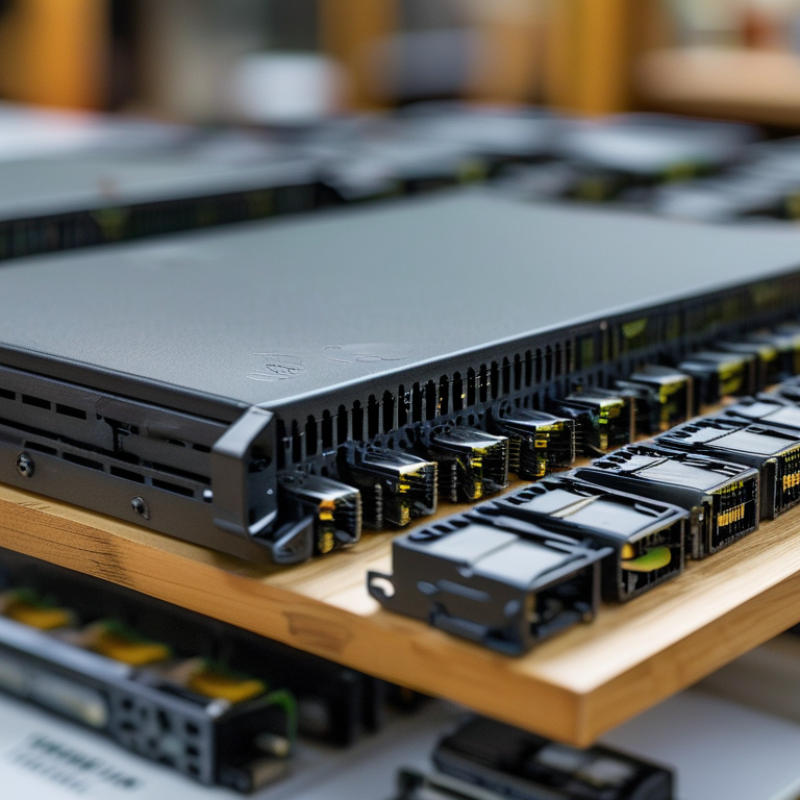
SFP transceivers play a crucial role in modern networking. They are essential for connecting various network devices, such as switches and routers. These small but powerful modules transmit and receive data over fiber or copper cables. Their compact design allows for flexibility in network architecture. As networking demands evolve, the importance of SFP transceivers continues to grow.
The versatility of SFP transceivers offers numerous options for different applications. Various types support distinct data rates and distances. For instance, some transceivers are designed for short-range connections, while others excel in long-haul transmissions. This variety helps network engineers tailor solutions to specific requirements. However, the plethora of choices can also lead to confusion. Deployment mistakes can occur if the wrong type is chosen. It's critical to evaluate needs carefully before making a purchase.
Moreover, the reliability of SFP transceivers is imperative for maintaining network integrity. A malfunctioning transceiver can disrupt data flow, leading to significant downtime. Regular testing and monitoring are suggested to ensure optimal performance. Finding the right balance between cost and reliability remains a challenge, yet it is essential for network sustainability. Ultimately, understanding the landscape of SFP options is vital for any network professional navigating today’s interconnected world.
When choosing SFP transceivers, several key specifications should not be overlooked. One crucial factor is the data rate. Standard options include 1G, 10G, and even 25G transceivers. A report by the Ethernet Alliance highlighted that 10G SFP+ modules dominate the market due to their versatility and efficiency. Buyers should assess their network requirements to ensure compatibility.
Another important specification is the transmission distance. Transceivers can range from short-range (SR) to long-range (LR) options. For example, 1000BASE-SX transceivers typically support up to 550 meters, while the 1000BASE-LX can extend to 10 kilometers. This variation allows for flexibility based on the specific topology of the network.
Additionally, the connector type plays a significant role. LC connectors are standard, yet some applications may require SC or MPO connectors. A global market report from ResearchAndMarkets indicated a growing demand for multi-fiber options due to their capacity for higher bandwidth. As technology evolves, evaluating these specifications becomes essential for making informed purchasing decisions in a rapidly changing landscape.
The demand for SFP (Small Form-factor Pluggable) transceivers is growing rapidly. According to a recent market analysis, the global SFP transceiver market is expected to reach over $5 billion by 2026. This growth is driven by increasing data center needs and the expansion of telecommunications infrastructure.
When it comes to popular SFP transceiver options, several brands stand out. They offer diverse features to cater to various needs. For instance, some models support speeds up to 100 Gbps, which is essential for high-bandwidth applications. Others focus on long-range capabilities, achieving distances over 80 kilometers. These factors significantly impact performance, especially for organizations that rely on reliable data transmission.
However, buyers should consider compatibility issues. Not all transceivers work seamlessly with every switch or router, even if they are similar in specifications. Users must verify the hardware they own. Additionally, the quality of optical components can vary. Lesser-known brands may promise low prices but could compromise on performance and reliability. Thoughtful research is necessary to avoid potential pitfalls and ensure optimal network performance.
When choosing SFP transceivers, buyers face various options tailored to different network needs. Understanding the specifications is crucial. Factors like data rate, distance, and compatibility should guide decisions. Not all transceivers perform equally in diverse environments. Some excel in short-range connectivity, while others are built for expansive networks.
A comparative analysis reveals significant differences among models. For instance, certain transceivers may handle high temperatures better than their counterparts. This aspect is vital for users in challenging climates. Additionally, cost-effectiveness can vary greatly. Buyers must assess whether lower prices compromise performance or reliability.
Buyers should also consider the support and warranty offered by manufacturers. Reliable after-sales service can enhance user experience. However, many overlook this when making choices. Conducting thorough research is essential but often challenging. This landscape requires continuous learning and adaptation.
SFP transceivers are evolving rapidly. A recent report from MarketsandMarkets estimates that the global SFP transceiver market will reach $6.7 billion by 2025, growing at a CAGR of 12.1%. This growth is driven by increasing data traffic due to cloud computing and IoT. As demand rises, buyers need to understand the landscape.
Emerging trends include the shift towards higher bandwidths and energy efficiency. 400G SFP transceivers are gaining popularity, addressing the needs for high-speed data transfer. Many companies are reevaluating their networking capabilities to meet this demand. However, transitioning to newer technologies presents challenges. Not all infrastructure can support these advancements, leading to potential compatibility issues.
Another key aspect is the increasing focus on sustainability. Manufacturers are compelled to develop greener solutions. This reflects growing awareness of environmental impacts. As more organizations prioritize eco-friendly options, the market will likely see a shift toward sustainable manufacturing practices. Navigating these changes requires adaptive strategies from buyers in the ever-evolving SFP landscape.
| Transceiver Type | Data Rate (Gbps) | Distance (km) | Wavelength (nm) | Connector Type | Market Demand Trend |
|---|---|---|---|---|---|
| SFP+ | 10 | 300 | 850 | LC | Increasing |
| SFP28 | 25 | 10 | 850 | LC | Stable |
| SFP-DD | 100 | 70 | 1310 | LC | Increasing |
| SFP+SR | 10 | 300 | 850 | LC | Stable |
| SFP+LR | 10 | 10 | 1310 | LC | Increasing |
: Consider data rate, distance, and compatibility with your network needs.
No, some excel in short-range, while others suit expansive networks better.
It's vital; some transceivers handle high temperatures better than others.
Not necessarily. They may compromise on performance or reliability.
Reliable support can enhance user experience; many overlook this aspect.
Trends include higher bandwidths, energy efficiency, and a focus on sustainability.
It could reach $6.7 billion by 2025, fueled by rising data traffic and IoT.
Compatibility issues may arise as not all infrastructure supports the latest advancements.
There’s a growing awareness of environmental impacts, leading to greener solutions.
Many struggle to adapt; continuous learning is key in this evolving market.
SFP+ transceivers play a crucial role in modern networking by enabling high-speed data transfer and ensuring reliable communication between network devices. Understanding the key specifications, such as bandwidth, distance capability, and connector type, is essential for selecting the appropriate SFP+ transceiver to meet specific network requirements. As global demand for efficient and scalable networking solutions rises, buyers must also consider the trends and innovations shaping the SFP+ transceiver market, including advancements in technology and evolving user needs.
In the competitive landscape of SFP+ transceivers, various features differentiate products, influencing buyers' choices. A comparative analysis of these transceivers highlights how different options cater to diverse market demands worldwide. Looking ahead, the future of SFP+ transceiver technology is set to focus on enhanced performance, lower power consumption, and greater integration, paving the way for more sophisticated networking infrastructures globally.

Novafiber