A fair optical transceiver price is not simply the lowest number on a supplier’s quote. Buyers must compare data rate, reach, wavelength, connector type, compatibility, warranty, and lead time. A 400G module for a data-center link, for example, cannot be judged by the price of a 10G unit designed for a shorter connection. Small specification differences matter.
Jim Hayes, founder of the Fiber Optic Association and a longtime fiber-optics educator, is a relevant industry expert for understanding these products. No verified quotation from Hayes about transceiver pricing was provided, so attributing invented words to him would be misleading. This guide instead applies a practical buying principle: compare the complete specification and support terms, not just the unit cost.
The rankings that follow examine ten optical transceiver price points for global buyers, while noting that prices shift with volume, availability, and supplier configuration. Treat each figure as a comparison point, not a guaranteed quote. Even careful estimates can miss shipping costs or compatibility checks. That is worth remembering. A lower price may be sensible, but only when the module fits the network and its operating needs.
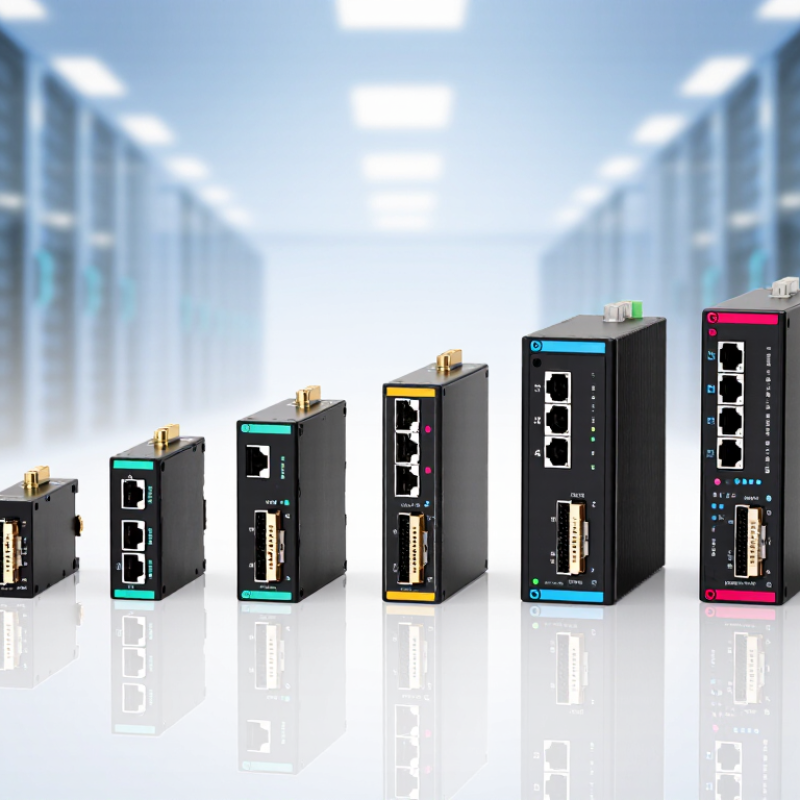
Optical Transceivers: Core Types and Key Specifications
Optical transceivers convert electrical signals into light and back again, linking switches, servers, and fiber networks. Common types include SFP and SFP+ modules for many 1G and 10G connections, while QSFP28 and QSFP-DD support higher-capacity links. Actual data rates depend on the module and host equipment. Small form factor alone does not guarantee compatibility.
Specifications deserve close attention. Check the interface rate, wavelength, fiber type, connector, and rated reach. For example, a 1310 nm single-mode module may serve a longer link than a short-reach multimode module, but installation conditions matter. Keep fiber type consistent across the link. A mismatch can cause loss or prevent a connection. Some modules provide digital diagnostics, including temperature and received optical power. Useful, but not a substitute for testing.
Prices vary with reach, speed, temperature rating, and monitoring features. Compare equivalent specifications, not just product names or advertised rates. Also confirm that the switch supports the module’s coding and operating limits. Those details are easy to overlook. A buyer may focus on speed and miss a connector difference. It happens. Record the link length and cable type before ordering, then verify the datasheet against the actual equipment. Specification sheets can be imperfectly clear, so confirm uncertain values with the supplier.
Factors That Shape Optical Transceiver Prices Worldwide
Optical transceiver prices vary because buyers are paying for more than a module. Data rate, transmission distance, and wavelength shape the specification. A short-reach unit in a switch row may use multimode fiber. A building-to-building link may need single-mode optics and tighter output control. Higher data rates can bring stricter signal and thermal requirements. That changes component costs. Form factor, power draw, and digital monitoring features also affect price. Even two modules with similar labels may not be interchangeable. Details matter.
Global quotations also reflect order size, testing, warranty coverage, and supply conditions. A buyer ordering a few units may pay more per module than a data center placing a large batch. Shipping, currency movement, and regional stock can shift the landed price. Ask whether the quote includes compatibility checks, burn-in testing, and replacement support. These details are concrete, but often sit outside the headline price. One limitation: public price lists rarely show exact test conditions or lot history. The comparison is not perfectly clean. Request the operating temperature range, fiber type, connector, and supported link distance in writing. Then compare like with like, not just dollars per port. Prices move.
Top 10 Optical Transceiver Prices for Global Buyers
Factors That Shape Optical Transceiver Prices Worldwide
Indicative market-level prices for standard, compatible modules, shown in USD per unit. Actual quotes vary with reach, speed, component availability, purchase volume, warranty, and device compatibility; specialized or long-reach modules can cost substantially more.
Price Ranges for Ten Common Optical Transceiver Categories
Indicative 2026 global planning ranges vary by quantity, coding, warranty, and supplier; they are not fixed quotations. Gartner forecast worldwide data-center systems spending would reach $293 billion in 2024, up 34% year over year. That demand backdrop helps explain pricing pressure, but does not set transceiver prices. LightCounting’s optical-transceiver market research tracks category growth; public reports rarely provide universal street prices for every module.
For common short-reach units, 1G SX typically costs $3–15, 1G LX $8–30, 10G SR $8–35, 10G LR $20–80, and 25G SR $15–60. Prices move quickly. Multimode 40G SR4 often falls between $25 and $100, while 100G SR4 ranges from $35 to $150. Single-mode 100G LR4 commonly runs $120–500; reach, temperature rating, and diagnostics can shift the quote.
Higher-rate modules command wider spreads: 400G DR4 is often $250–900, and 800G pluggables roughly $1,000–4,000. These are indicative estimates, not report-certified averages. Check the host port. A low unit price may exclude testing or support, and compatibility claims deserve verification. Compare total landed cost, return terms, and operating-temperature specifications before ordering. Bulk purchasing can reduce unit cost, though unusually large discounts may warrant closer scrutiny.
Regional Pricing, Compatibility, and Supply Considerations
Top 10 Optical Transceiver Prices for Global Buyers
Regional prices reflect more than manufacturing cost. Buyers may see different quotes because of freight, import charges, local inventory, and currency changes. A module stocked nearby can arrive in days, while a lower-priced overseas option may take weeks. Ask suppliers to separate unit cost, shipping, and applicable charges. Otherwise, comparisons get muddy.
Compatibility also changes the real price. Check data rate, reach, wavelength, fiber type, connector, and operating temperature before comparing modules. A 10G short-reach unit is not a substitute for a 100G long-reach unit. Host-device coding and digital monitoring support matter, too. Request written compatibility details and test one sample in the intended equipment. Small checks prevent expensive returns.
Supply conditions vary by region and season. Common modules may be readily available, while specialized reach or temperature specifications can have longer lead times. Confirm stock status, production time, warranty terms, and replacement availability. Ask whether quoted stock is reserved for your order. It may not be. A practical comparison should include landed cost and delivery risk, not just the price shown on a quotation. Estimates can still miss unexpected delays, so leave room in deployment schedules.
How Global Buyers Can Evaluate Quotes and Select a Transceiver
A useful transceiver quote should identify the exact module, not just its data rate. Check the wavelength, transmission distance, fiber type, connector, and operating temperature. A 10-kilometer module and a 40-kilometer module may look similar in a price list, but they serve different links. Details matter.
Ask whether the quoted unit supports your equipment and required monitoring features, such as digital optical monitoring. Confirm whether the price includes testing, packaging, shipping, and any minimum order quantity. Then compare warranty length, replacement terms, and delivery time. A low price can lose its appeal if a project waits weeks for a replacement. Price is one signal.
For a fair comparison, request the same specifications and quantities from each supplier, and keep currency and shipping terms consistent. Check the quote’s validity date; component costs and availability can change. If possible, test a sample on the intended switch and fiber route before ordering at scale. Record link stability, optical readings, and any compatibility warnings. That takes time. It may also reveal that the cheapest offer is perfectly adequate—or that a slightly higher quote includes useful verification. Quote sheets are not always complete, so ask direct questions and save the written answers.
Top 10 Optical Transceiver Prices for Global Buyers - How Global Buyers Can Evaluate Quotes and Select a Transceiver
The prices below are indicative budget estimates in USD per module for non-branded, standards-based transceivers. Actual quotes vary with order volume, supplier, region, lead time, component availability, warranty, and compatibility requirements. Confirm specifications and compatibility before purchasing.
| Transceiver type |
Data rate |
Typical reach and medium |
Indicative unit price (USD) |
Key quote checks |
| SFP+ 10GBASE-SR |
10 Gb/s |
Up to 300 m on OM3 or 400 m on OM4 multimode fiber |
$6–$20 |
850 nm; LC duplex; confirm host port support and fiber grade. |
| SFP+ 10GBASE-LR |
10 Gb/s |
Up to 10 km on single-mode fiber |
$15–$45 |
1310 nm; LC duplex; check link budget and single-mode cabling. |
| SFP28 25GBASE-SR |
25 Gb/s |
Typically up to 70 m on OM3 or 100 m on OM4 multimode fiber |
$12–$35 |
850 nm; LC duplex; verify switch support for 25G operation. |
| SFP28 25GBASE-LR |
25 Gb/s |
Up to 10 km on single-mode fiber |
$25–$75 |
1310 nm; LC duplex; confirm host coding and supported link mode. |
| QSFP+ 40GBASE-SR4 |
40 Gb/s |
Up to 100 m on OM3 or 150 m on OM4 multimode fiber |
$25–$80 |
850 nm; MPO/MTP-12; check polarity, lane mapping, and fiber type. |
| QSFP+ 40GBASE-LR4 |
40 Gb/s |
Up to 10 km on single-mode fiber |
$200–$600 |
Four wavelengths near 1310 nm; LC duplex; verify interoperability at both ends. |
| QSFP28 100GBASE-SR4 |
100 Gb/s |
Up to 70 m on OM3 or 100 m on OM4 multimode fiber |
$35–$100 |
850 nm; MPO/MTP-12; confirm breakout needs and connector polarity. |
| QSFP28 100GBASE-LR4 |
100 Gb/s |
Up to 10 km on single-mode fiber |
$250–$700 |
Four wavelengths near 1310 nm; LC duplex; compare power and temperature specifications. |
| QSFP28 100G-CWDM4 |
100 Gb/s |
Up to 2 km on single-mode fiber |
$100–$300 |
Four CWDM wavelengths; LC duplex; confirm the required reach and link budget. |
| QSFP-DD 400GBASE-DR4 |
400 Gb/s |
Up to 500 m on single-mode fiber |
$500–$1,500 |
Four optical lanes; MPO-12; check host FEC, breakout configuration, and connector type. |
How to evaluate quotes: Compare like-for-like standards, reach, connector, fiber type, temperature range, and supported host equipment. Ask whether digital diagnostics monitoring (DDM/DOM) is included, and request the operating-temperature range, warranty terms, test report, lead time, and return policy. Compare total delivered cost, including shipping, duties, and any compatibility or qualification testing—not just the unit price. Prices are estimates, not live offers; obtain current written quotes for purchasing decisions.
FAQS
Indicative 2026 estimates put 1G SX at $3–15 and 1G LX at $8–30. 10G SR is about $8–35; 10G LR, $20–80. 400G DR4 may cost $250–900. 800G pluggables are roughly $1,000–4,000.
No. Prices vary with quantity, coding, warranty, supplier, and availability. Check the quote’s validity date. Prices move fast.
Match data rate, reach, wavelength, fiber type, connector, and operating temperature. A 10-kilometer module is not a substitute for a 40-kilometer module. Details matter.
Ask for written compatibility details, including host-device coding and monitoring support. Test one sample in the intended equipment before ordering in bulk. Check the host port.
Ask whether testing, packaging, shipping, and minimum order quantities are included. Compare landed cost, not just the price shown. Separate charges clearly.
Freight, import charges, currency changes, and delivery delays can raise the total cost. Nearby stock may arrive in days, while overseas stock may take weeks.
Ask about stock status, production time, warranty, and replacement availability. Confirm whether quoted stock is reserved for your order. It may not be.
Request matching specifications and quantities, with consistent currency and shipping terms. Record link stability and optical readings during a sample test. I may still miss a detail; quote sheets can be incomplete.
Conclusion
This guide explains the main types of optical transceivers and the specifications that affect their performance, including data rate, transmission distance, wavelength, and connector format. It outlines how these factors, along with module design, production costs, order volume, and market conditions, shape the optical transceiver price. Readers will find a practical overview of typical price ranges across ten common categories, from short-reach modules to options designed for longer links and higher speeds.
Because prices and availability can vary by region, buyers should also consider shipping, lead times, equipment compatibility, and supplier support when comparing offers. The guide recommends evaluating quotations on more than the listed unit cost: confirm that specifications match the intended network, check any interoperability requirements, and compare warranty terms and delivery details. This approach can help global buyers choose a suitable transceiver while balancing budget, performance, and supply needs.

 Novafiber