2026 How to Choose the Right SFP Transceiver for Your Needs?

Time:2026-07-02 Author:Oliver
0%

Choosing the right SFP transceiver is crucial for network performance. Experts weigh in on this intricate topic. "Selecting the right SFP transceiver is not just about compatibility; it’s about future-proofing your network," states Thomas Reed, a networking specialist with over fifteen years in the field.

In today’s fast-paced tech environment, the right SFP transceiver can make a significant difference. When considering factors like distance, data rate, and fiber type, it's easy to feel overwhelmed. Many professionals overlook critical details. Yet, small mistakes can lead to significant issues down the line.

Understanding your unique needs is essential. Spend time evaluating the specifications and desired outcomes. As Reed notes, "Ignoring future expansion needs can cost you later." The balance between current requirements and future scalability is vital for any organization looking to invest wisely in SFP transceivers.
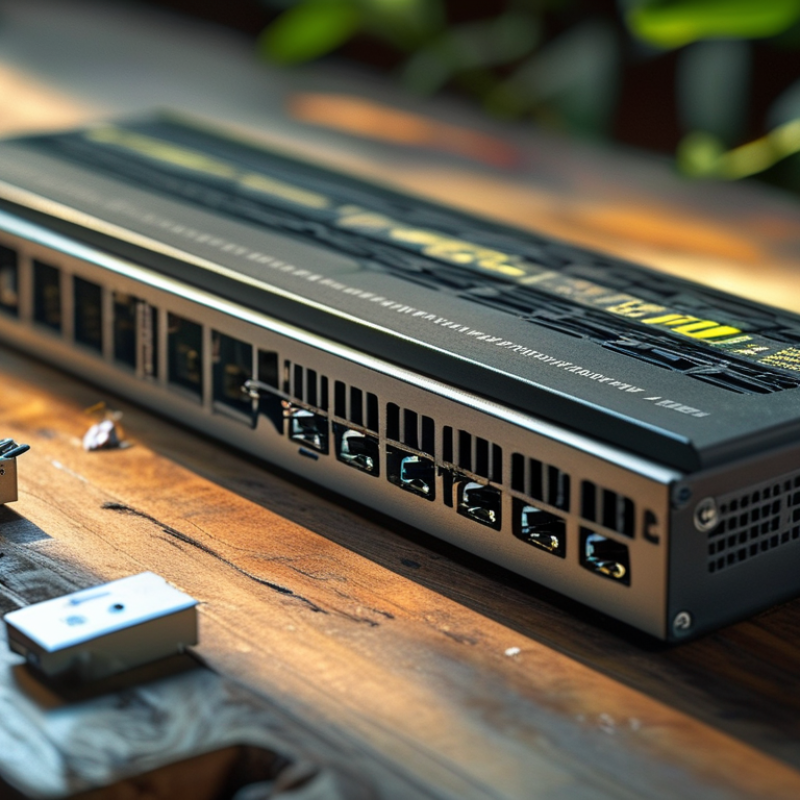
2026 How to Choose the Right SFP Transceiver for Your Needs?

Understanding SFP Transceiver Types and Their Specifications

Choosing the right SFP transceiver starts with understanding the different types available. SFP, or Small Form-factor Pluggable, transceivers come in various formats and specify different functions. These can range from 1G to 100G data rates. According to a recent industry report, nearly 75% of data centers utilize SFP modules for their flexibility and scalability.


Various parameters define SFP transceivers. Wavelength, for example, influences the distance data can travel. Standard wavelengths are 850nm for short-range and 1310nm for longer distances. Another key specification is the mode, which includes single-mode and multi-mode fibers. Single-mode fibers are ideal for long-distance connections, typically beyond 10 km. Multi-mode fibers work best for shorter runs within buildings.


However, while choosing an SFP transceiver, reflection on vendor specifications is critical. Often, differences in vendor outputs can lead to interoperability issues. A recent survey indicated that 40% of IT managers encountered compatibility challenges due to diverse SFP standards. This highlights the need for careful selection tailored to specific networking demands. Balancing cost, performance, and distance can be complex and requires thorough consideration.

Evaluating Transmission Distance and Data Rate Needs for SFP

When choosing the right SFP transceiver, considering transmission distance and data rates is crucial. This is where your specific needs come into play. A high data rate might not be necessary for short distances, but longer distances impact bandwidth requirements significantly. Different applications demand distinct approaches to these factors.

Transmission distance affects the type of cabling you might opt for. For instance, optical fiber works well for long distances, while copper solutions can suffice for shorter runs. Understanding the environment where the SFP will operate is vital. Poorly chosen distances can lead to connectivity problems down the line. Experience shows that assessing installation scenarios can help prevent future failures.

Data rates pose another layer of complexity. Network throughput might not align with your current demands. A 1Gbps transceiver might seem fast now, but how will it hold up in a few years? It’s worth reflecting on future growth or changes in usage. By analyzing your current and projected needs thoroughly, you can ensure that your choice of SFP transceiver fits seamlessly within your network's vision.

Comparing Single-Mode vs. Multi-Mode Fiber Options for SFP

When selecting the right SFP transceiver, it's crucial to compare single-mode and multi-mode fiber options. Single-mode fiber (SMF) is designed for long-distance transmission. It allows data to travel over greater distances without losing signal quality. This fiber type uses a single light path, which minimizes modal dispersion. In environments where distance is a factor, SMF often offers the better choice.

On the other hand, multi-mode fiber (MMF) is suitable for shorter distances. It supports multiple light paths, allowing for high bandwidth over shorter runs. MMF is often easier to work with and more cost-effective for local area networks (LANs). However, as the distance increases, the signal quality can degrade due to modal dispersion. Evaluating your specific needs can help determine which type of fiber is more practical for your situation.

Not all networks require long-distance capabilities. Some may prioritize affordability and installation ease. In some cases, users may underestimate future needs. Choosing between SMF and MMF is a decision that shouldn't be rushed. It requires careful consideration of various factors, including distance, bandwidth requirements, and overall network design.

Assessing Compatibility with Network Equipment and Standards

Choosing the right SFP (Small Form-factor Pluggable) transceiver is vital for optimizing network performance. Compatibility with your existing network equipment is paramount. Most modern equipment adheres to specific standards like SFP, SFP+, or even SFP28. Understanding these standards can greatly affect your network's efficiency.

A recent industry survey revealed that nearly 70% of organizations faced compatibility issues with transceivers. This can lead to connectivity problems and increased downtime. It’s crucial to verify that the SFP transceiver matches the specific requirements of your network gear. Check the data rates and transmission distance supported by the transceiver. Incompatible devices may not work optimally, causing unexpected failures.

Tip: Always refer to the manufacturer’s documentation. Knowing the requirements of your network can help avoid unnecessary purchases.

Ensure that the transceiver you choose supports the same protocols and modes as your existing infrastructure. For instance, a transceiver designed for a specific wavelength may not operate effectively with another model using a different wavelength.

Tip: Consider trying a transceiver in a lab environment first. It allows for testing without impacting live operations. This can help you evaluate performance and compatibility before a full deployment.

Analyzing Cost-Effectiveness and Vendor Reliability for SFP Purchases

When selecting an SFP transceiver, cost-effectiveness is a critical factor. You should evaluate how a lower price impacts performance. A cheaper transceiver may save initial costs but could lead to higher operational expenses. Over time, unreliable transceivers can cause network disruptions. This may result in loss of productivity and additional repair costs.

Vendor reliability should not be overlooked. A trusted vendor often provides better support and warranty services. Researching vendor history is essential. Look for their track record in delivering quality products. Check reviews and user feedback. These insights can reveal potential issues. Don't ignore red flags, like frequent complaints about reliability.

Balancing cost and reliability can be challenging. Sometimes, it demands sacrifice. Choosing a low-cost transceiver might seem appealing. Yet, consider the long-term consequences. Investments in proven vendors may yield better value. Prioritize your specific needs carefully. Your choices should reflect both financial and operational priorities.

2026 How to Choose the Right SFP Transceiver for Your Needs?

Features Option 1 Option 2 Option 3
Data Rate 1 Gbps 10 Gbps 25 Gbps
Distance Support Up to 550m Up to 300m Up to 100m
Cost (USD) $30 $100 $200
Vendor Reliability High Moderate High
Compatibility Widely Compatible Specific Models Widely Compatible

FAQS

: How do I choose the right SFP transceiver for my needs?

: Consider your transmission distance and data rate requirements carefully. Match them to your specific applications.

What factors affect the choice of cabling for SFP transceivers?

Transmission distance is key. Optical fiber is best for long distances, while copper works for shorter runs.

Why is it important to understand the environment for SFP usage?

A poorly chosen distance can lead to connectivity issues. Assess your installation scenario to prevent future failures.

How should I assess future growth in my network?

Evaluate current needs versus projected usage. Reflecting on future demands can guide your choice of data rates.

What compatibility issues may arise with SFP transceivers?

Many organizations face compatibility problems that lead to downtime. Ensure your transceiver matches your network's requirements.

How can I verify the compatibility of an SFP transceiver?

Check that it adheres to standards like SFP or SFP+. Documented specifications can help avoid mismatches.

What's a good way to test an SFP transceiver before installation?

Try testing it in a lab setting first. It allows evaluation without impacting your live network operations.

Why is the manufacturer’s documentation important?

It provides essential information on compatibility and specifications. Avoid unnecessary purchases by referring to it.

What are the risks of choosing the wrong SFP for my equipment?

Incompatible devices may not work effectively. This can lead to unexpected failures and increased downtime.

How fast should I anticipate my network needs to grow?

Anticipate changes by analyzing both current usage and future growth. Data rate decisions should align with these reflections.

Conclusion

Choosing the right SFP transceiver is crucial for ensuring seamless network connectivity. The process begins with understanding the different types of SFP transceivers and their specifications, which can affect performance and compatibility. Evaluating transmission distance and data rate requirements is essential for selecting the appropriate transceiver to meet your specific network needs.

Additionally, comparing single-mode and multi-mode fiber options helps determine the best fit for your infrastructure. Compatibility with existing network equipment and relevant standards should also be assessed to avoid any operational issues. Finally, analyzing cost-effectiveness and vendor reliability will ensure that you make a sound investment in your SFP transceiver purchase, ultimately supporting efficient network operations.

Oliver

Oliver

Oliver is a seasoned marketing professional with a wealth of expertise in driving brand awareness and engagement. With a deep understanding of our company's product offerings, he consistently delivers high-quality content that enriches our professional blog. His insights not only shed light on......