How to Choose the Best Optical Transceiver for Your Network?

Time:2026-06-26 Author:Liam
0%

In today's digital age, selecting the right optical transceiver is critical for optimizing network performance. With numerous options available, businesses often feel overwhelmed. An optical transceiver serves as the link between your network components and enables seamless data transmission. The right choice can enhance speed and reliability.

Understanding the specific requirements of your network is essential. Factors such as data rates, distances, and compatibility must be analyzed. A mismatch in these areas may lead to inefficiencies. Additionally, not every application is the same, and oversights can be costly. Industry expertise can dramatically improve your selection process.

Exploring brand reputations and product reviews will further guide your decision. Trusted manufacturers often provide guarantees of reliability. An informed choice regarding an optical transceiver often reflects on a business’s overall efficiency. Therefore, investing time into research is crucial for optimal performance.
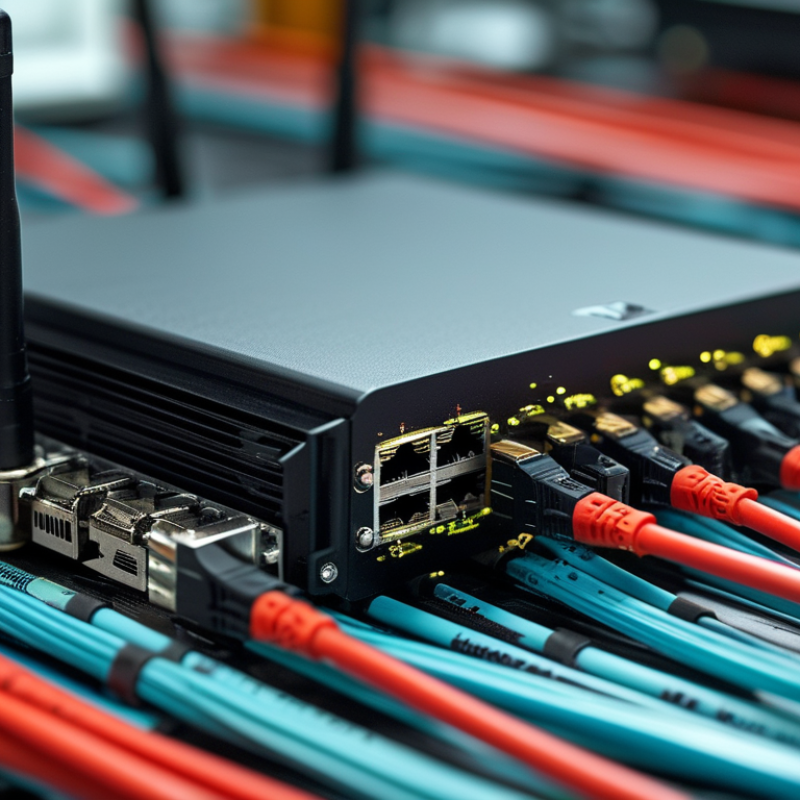
How to Choose the Best Optical Transceiver for Your Network?

Factors to Consider When Selecting Optical Transceivers for Networks

Choosing the right optical transceiver is crucial for optimizing network performance. The first factor to consider is compatibility with existing infrastructure. A misstep here can lead to operational inefficiencies. According to industry reports, over 30% of network downtime is attributed to compatibility issues. Ensuring that the transceiver aligns with your current network standards will minimize these risks.

Another aspect focuses on transmission distance. Different optical transceivers support varying distances, influencing the overall setup and equipment costs. For instance, short-range transceivers may suffice for indoor use, while long-range options are vital for inter-building connections. Research indicates that 70% of organizations overestimate their distance requirements, leading to overspending. This can create a budgetary imbalance that compromises other essential upgrades.

Cost is a prevalent factor, but skimping can lead to hidden expenses. High-quality transceivers offer reliability, yet cheaper options may result in frequent failures. An analysis revealed that 40% of companies experience higher maintenance costs due to low-quality equipment. Reflecting on these choices is essential for making informed decisions that contribute to long-term network health.

Optical Transceiver Performance Metrics

Understanding Different Types of Optical Transceivers and Their Applications

Understanding different types of optical transceivers is crucial for an efficient network. Optical transceivers come in various forms, such as SFP, SFP+, and QSFP. Each type has unique features. SFP typically supports data rates up to 1 Gbps. SFP+ can handle 10 Gbps, while QSFP is designed for 40 Gbps or more. Choosing the wrong type may lead to compatibility issues or performance bottlenecks.

Applications for these transceivers vary widely. SFP transceivers are common in data centers and enterprise networks. They provide flexibility and scalability. SFP+ is often used in high-speed networks due to its enhanced bandwidth. QSFP is perfect for applications requiring high data transfer rates. Not every network needs the highest speed. Evaluating your specific needs is essential.

Selecting the right transceiver requires reflection on your network's demands. Many overlook the impact of distance on transceiver selection. Short-range options may suffice for local setups. However, long-distance connections need specific transceivers to maintain signal integrity. It's essential to consider the environment, too. Temperature and humidity can affect performance. The more you understand, the better your choice will be.

How to Choose the Best Optical Transceiver for Your Network?

Transceiver Type Wavelength (nm) Distance (km) Data Rate (Gbps) Application
SFP 850 0.5 1 Short-range connections in data centers
SFP+ 850 300 10 10 Gigabit Ethernet
QSFP+ 850 150 40 High-speed data center connections
SFP28 1310 10 25 25 Gigabit Ethernet
CFP 1550 40 100 Long-haul transmission
LWL 1310 40 10 Long-distance fiber links

Evaluating Performance Metrics: Bit Rate, Reach, and Compatibility

Choosing the right optical transceiver is crucial for network performance. Key performance metrics include bit rate, reach, and compatibility. Bit rate represents the data transfer speed. A higher bit rate allows for more data to travel simultaneously. According to the Optical Society, current technologies support bit rates ranging from 1 Gbps to 400 Gbps. Each application may have different requirements, so understanding your needs is essential.

Reach is another vital consideration. This refers to the maximum distance a signal can travel without degradation. Short-range transceivers work well for data centers, while long-range options can cover substantial distances. Industry reports suggest that using appropriate fiber types can extend these distances significantly. For example, single-mode fiber can reach up to 100 kilometers, while multi-mode typically caps at around 300 meters.

Compatibility often poses challenges for network engineers. Not all transceivers work with every switch or router. Ensuring that the transceiver can integrate seamlessly with existing infrastructure is imperative. Mismatched devices can lead to costly downtime. Reviewing technical specifications and consulting industry standards can help mitigate compatibility issues. Always consider these factors carefully. Your network's efficiency relies on them.

Impact of Wavelength and Form Factor on Network Design Choices

When choosing optical transceivers, two key factors are wavelength and form factor. The wavelength determines the data transmission capability, while the form factor affects compatibility with existing infrastructure. Using the right wavelength can reduce signal loss and enhance performance. For example, 850 nm wavelengths are typically used for short-range data communication, while 1310 nm and 1550 nm wavelengths are ideal for longer distances.

Form factor also plays a crucial role in network design. The choice between SFP, SFP+ and QSFP modules can influence power consumption and scalability. SFP modules consume less power but offer lower data rates compared to QSFP. According to a report from the International Telecommunication Union, the right combination of wavelength and form factor can improve overall efficiency by up to 40%. However, not all forms are compatible with every system. This requires careful planning to avoid wasted resources.

Organizations often face challenges when integrating new optical transceivers. Outdated systems may limit the benefits gained from modern technologies. Adopting advanced transceivers without a cohesive strategy may lead to performance bottlenecks. A detailed evaluation of both wavelength and form factor is essential for effective network design. Balancing these factors can be complex, but doing so is vital for achieving optimal network performance.

Cost Analysis: Balancing Performance and Budget for Optical Transceivers

When choosing optical transceivers, cost analysis is crucial. The balance between performance and budget can significantly impact network efficiency. A 2023 report highlights that over 50% of organizations consider cost as a primary decision factor. This is understandable; high-performance transceivers often come with higher price tags.

The latest market research indicates that a typical optical transceiver costs between $100 to $800, depending on speed and specifications. However, organizations should evaluate the total cost of ownership. Lower upfront costs may lead to higher maintenance fees and lower long-term performance. An estimated 30% of companies regret their initial choices, realizing they prioritized cost over capability.

Also, compatibility with existing infrastructure needs attention. Incompatibility can lead to unexpected expenses, including upgrades and implementations. Ensuring long-term scalability before purchase is essential. Reflecting on past decisions can reveal patterns. Aligning performance needs with available budget should not foster regret later on.

FAQS

: What factors should I consider when choosing an optical transceiver?

: Compatibility with existing infrastructure is crucial to avoid inefficiencies.

Why is transmission distance important for optical transceivers?

Different transceivers support different distances, affecting costs and setups.

How can I avoid overspending on optical transceivers?

Research your actual distance needs. Many organizations overestimate, leading to budget issues.

Should I prioritize cost over quality when selecting transceivers?

Low-cost options may lead to hidden maintenance costs. Quality should not be sacrificed.

What types of optical transceivers are available?

Common types include SFP, SFP+, and QSFP. Each serves distinct speeds and applications.

Which transceiver type is suitable for my network's speed needs?

SFP is for 1 Gbps, SFP+ for 10 Gbps, and QSFP for 40 Gbps or more.

Can the environment affect optical transceiver performance?

Yes, temperature and humidity can impact the effectiveness of the transceiver.

How important is it to reflect on my network's demands?

It's essential to recognize your specific needs for optimal transceiver selection.

What mistakes should I avoid when selecting optical transceivers?

Do not overlook distance requirements and the environmental impact on performance.

What happens if I choose the wrong optical transceiver?

It can cause compatibility issues and performance bottlenecks in your network.

Conclusion

Choosing the best optical transceiver for your network involves several key factors that can significantly impact performance and overall efficiency. Understanding the different types of optical transceivers and their applications is crucial, as each type may suit specific networking needs. Evaluating performance metrics such as bit rate, reach, and compatibility allows for an informed selection process, ensuring that the transceiver aligns with your network's requirements.

Additionally, the wavelength and form factor of optical transceivers play a vital role in network design, influencing connectivity and scalability. Finally, conducting a cost analysis helps balance performance capabilities with budget constraints, ensuring that the chosen optical transceiver offers optimal value while meeting necessary specifications. By considering these elements, network administrators can make effective decisions that enhance their infrastructure.

Liam

Liam

Liam is a dedicated marketing professional with a profound expertise in the industry, where he excels at highlighting the unique advantages of our core products. With a keen understanding of market trends and consumer needs, Liam frequently updates our company’s professional blog, providing......