2026 How to Choose the Right QSFP28 Transceiver for Your Needs?

Time:2026-07-14 Author:Ethan
0%

As data centers evolve, the demand for high-speed connectivity increases. The QSFP28 transceiver stands out as a vital component in modern networking. Capable of supporting 100 Gbps data rates, it meets the rigorous demands of contemporary applications. A recent industry report indicates that the global 100G transceiver market is projected to reach $1.4 billion by 2026. This highlights the importance of choosing the right QSFP28 transceiver.

Selecting a suitable QSFP28 transceiver can be challenging due to various specifications and compatibility concerns. Factors such as distance, modulation format, and optical fibers play a critical role in performance. Industry experts emphasize the need to thoroughly evaluate network requirements. Not all QSFP28 transceivers offer the same features. Therefore, understanding these nuances helps in making informed choices.

It is also essential to consider the vendor's reputation and product reliability. Choosing low-cost options may save money initially but could lead to performance issues and increased downtime. Users must balance cost and quality. Thus, awareness of the QSFP28 transceiver market and careful consideration of specific needs is crucial for optimal network performance.
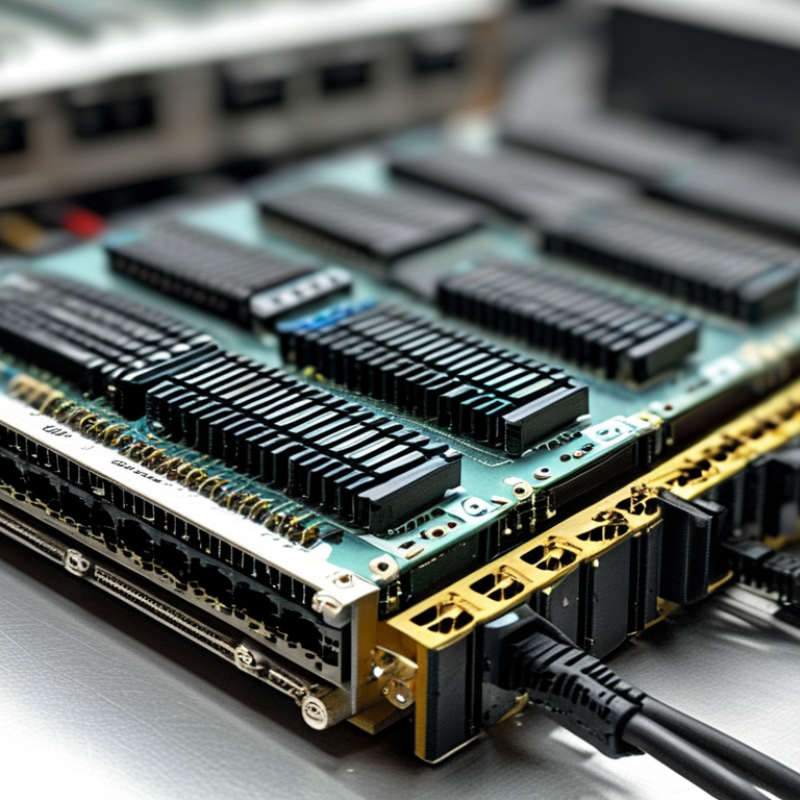
2026 How to Choose the Right QSFP28 Transceiver for Your Needs?

Understanding QSFP28 Transceivers: An Overview

QSFP28 transceivers are essential components for modern data centers. These devices support high-speed data transmission, crucial for applications like cloud computing and big data analytics. According to a recent industry report, the QSFP28 market is anticipated to grow at a compound annual growth rate (CAGR) of 19.1% from 2023 to 2030. This growth reflects the increasing demand for 100G connectivity solutions.

Understanding the technical specifications of QSFP28 transceivers is vital. They typically support a data rate of 100 Gbps. This enables faster data transfer across networks, essential for latency-sensitive applications. Additionally, QSFP28 supports four 25 Gbps lanes, allowing flexibility in deployment. However, organizations often overlook factors like compatibility with existing network infrastructure. The delicate balance between speed and compatibility is often a challenge.

While many businesses are focused on high performance, heat management is another consideration. QSFP28 modules can generate significant heat, affecting reliability. A report noted that nearly 30% of network failures could be attributed to overheating components. This highlights the importance of proper cooling solutions in data center design. Addressing these issues can lead to more efficient network operations, but it requires careful assessment of equipment and environmental conditions.

Key Specifications to Consider When Selecting QSFP28

When selecting a QSFP28 transceiver, several key specifications must be considered. These components are crucial in determining the efficiency and compatibility of your network. Begin with the transmission distance. Long-range requirements need specific transceivers designed for greater distances. For instance, a transceiver optimized for 100 meters compares fundamentally with one designed for up to 10 kilometers.

Next, look at the data rate. QSFP28 supports up to 100 Gbps, enabling high-speed data transfer. Ensure that this aligns with your bandwidth needs. Pay attention to the connector type as well. MTP/MPO connectors may offer benefits over LC connectors in specific setups. This choice can impact installation and maintenance.

However, reliability should never be overlooked. Examine the durability ratings of the transceivers. Not all models perform well in varied environmental conditions. Some may fail unexpectedly. Also, compatibility with existing equipment is crucial. Take the time to verify specifications against your current setup. Mismatched devices can cost more in the long run. Balancing these specifications will lead to better performance and a more stable network.

2026 How to Choose the Right QSFP28 Transceiver for Your Needs?

Types of QSFP28 Transceivers and Their Applications

When considering QSFP28 transceivers, it's vital to understand the various types and their applications. The QSFP28 format supports high speeds of up to 100Gbps and is commonly used in data centers, cloud infrastructures, and high-performance computing. There are several key types of QSFP28 transceivers: Short-Range (SR), Long-Range (LR), and Active Optical Cables (AOC). Each type has distinct capabilities suited for particular environments and distances.

Short-Range transceivers are ideal for connections within the same rack. They typically reach distances of up to 300 meters using multimode fiber.

Long-Range transceivers, however, can extend communication up to 10 kilometers using single-mode fiber.

Tips: Evaluate your network needs before choosing a transceiver type. Consider factors like distance, required bandwidth, and the existing infrastructure. For example, if you find your network has high traffic within short distances, SR transceivers might be more efficient. Another aspect to reflect on is potential future expansion; opting for LR transceivers in this case could save costs in the long run.

Choosing the right transceiver could significantly impact network performance. A recent report indicated that poor transceiver choices lead to a 40% increase in latency. Understanding transceiver types helps minimize such pitfalls and enhances overall network reliability.

Compatibility with Networking Equipment: What to Look For

When selecting a QSFP28 transceiver, compatibility with your networking equipment is crucial. A transceiver must work seamlessly with your current devices. Begin by checking the specifications of your networking hardware. Look for supported interfaces and protocols to ensure a proper fit.

Next, consider the data rate and reach. QSFP28 transceivers typically support 100G Ethernet. However, not all devices can handle this speed. If your network switches or routers are outdated, you might face limitations. Prioritize compatibility over the latest features to avoid performance issues.

Documentation plays a key role in this process. Consult the manuals or technical sheets of your devices for guidance. It’s essential to cross-reference these details with the transceiver specifications. Many users overlook this step and encounter problems later. Regular updates and firmware checks can also influence compatibility. Ensure your devices can support new transceivers, or face the risk of suboptimal performance.

Budgeting for QSFP28: Cost Considerations and Value

When budgeting for QSFP28 transceivers, it's crucial to consider your specific needs. According to a report by the Optical Fiber Communications Conference, the QSFP28 market is expected to grow by over 20% annually. This trend indicates a strong demand, impacting costs significantly. Depending on connectivity requirements, prices can vary widely.

Evaluating the total cost of ownership (TCO) is essential. The initial purchase price is just one part of the equation. Operational costs, compatibility with existing equipment, and potential upgrades influence the overall value. A study from Dell'Oro Group highlights that, on average, enterprises spend 30% more on infrastructure upkeep than on initial purchases. This statistic underlines the importance of a thorough cost assessment.

Additionally, quality matters. Cheaper options may lead to performance issues, resulting in lost productivity. Often, organizations find themselves revisiting decisions to address connectivity problems. Investing in reliable transceivers ensures efficiency in data transfers. A focus on quality can mitigate unexpected expenses in the long run.

2026 How to Choose the Right QSFP28 Transceiver for Your Needs? - Budgeting for QSFP28: Cost Considerations and Value

Parameter Description Cost Range (USD) Use Case
Data Rate The maximum data transfer rate of the transceiver $150 - $500 High bandwidth applications
Distance The maximum distance the transceiver can communicate $100 - $300 Data center interconnects
Form Factor Size and shape of the module $50 - $200 Variety of network setups
Wavelength Operating wavelength of the transceiver $120 - $400 Long-range communication
Compatibility Ensuring the transceiver works with existing hardware $75 - $250 Mixed vendor environments

FAQS

: What are QSFP28 transceivers used for?

: QSFP28 transceivers are crucial for high-speed data transfer in data centers, supporting cloud computing and big data analytics.

What is the typical data rate of QSFP28 transceivers?

They typically support a data rate of 100 Gbps, facilitating fast data transfer across networks.

Why is compatibility important when using QSFP28 transceivers?

Compatibility with existing network infrastructure is vital; mismatched devices can cause performance issues and additional costs.

How does heat management affect QSFP28 transceivers?

QSFP28 modules generate heat; without proper cooling, they can lead to network failures and reliability issues.

What should you consider regarding transmission distance?

Different transceivers are optimized for various distances. Ensure you choose one matching your long-range requirements.

How can the choice of connector type impact network performance?

The choice between MTP/MPO and LC connectors affects installation and maintenance, influencing overall network efficiency.

What is the total cost of ownership (TCO) related to QSFP28?

TCO involves initial purchase price, operational costs, and compatibility with existing equipment—each impacting overall value.

Why might cheap QSFP28 options be problematic?

Cheaper options can lead to performance issues, requiring revisiting decisions to fix connectivity problems and lost productivity.

How does quality influence the selection of QSFP28 transceivers?

Investing in quality transceivers improves efficiency and helps avoid unexpected expenses related to connectivity failures.

How important are durability ratings for transceivers?

Durability ratings are crucial; some models may fail unexpectedly in varied conditions, impacting overall network reliability.

Conclusion

The article "2026 How to Choose the Right QSFP28 Transceiver for Your Needs?" provides a comprehensive guide on selecting the appropriate QSFP28 transceiver for your networking requirements. It begins with an overview of QSFP28 transceivers, explaining their significance in high-speed data transmission. Key specifications are discussed, highlighting essential factors such as speed, range, and power consumption that should be considered when making a selection.

Furthermore, the article explores the various types of QSFP28 transceivers and their specific applications, ensuring users can align their choices with operational needs. Compatibility with existing networking equipment is another crucial section, detailing what to look for to ensure seamless integration. Finally, the article addresses budgeting considerations for QSFP28 transceivers, emphasizing the importance of balancing cost with the value they provide in enhancing network performance.

Ethan

Ethan

Ethan is a seasoned marketing professional with a deep expertise in our company's innovative product line. With a passion for sharing knowledge and insights, he takes the lead in regularly updating our corporate blog, where he explores industry trends, product features, and effective marketing......