In today's fast-paced digital world, the demand for high-speed data transmission continues to surge. Network infrastructure must evolve to meet these challenges. That is where the 400G optical transceiver comes into play. It represents a significant advancement in optical communication technology. This innovative solution enables faster speeds and greater bandwidth, which are critical for modern networks.
The 400G optical transceiver offers significant advantages for data centers, enterprises, and service providers. Its ability to handle massive amounts of data ensures seamless connectivity. However, with so many options available, choosing the right transceiver can be overwhelming. It's essential to understand how 400G technology aligns with your specific network needs.
Investing in a 400G optical transceiver may raise questions about cost and compatibility. Yet, the long-term benefits often outweigh the initial challenges. Enhanced performance, lower latency, and future-proofing capabilities make this technology a sensible choice. As you consider your networking requirements, reflecting on these aspects will help clarify your decision.
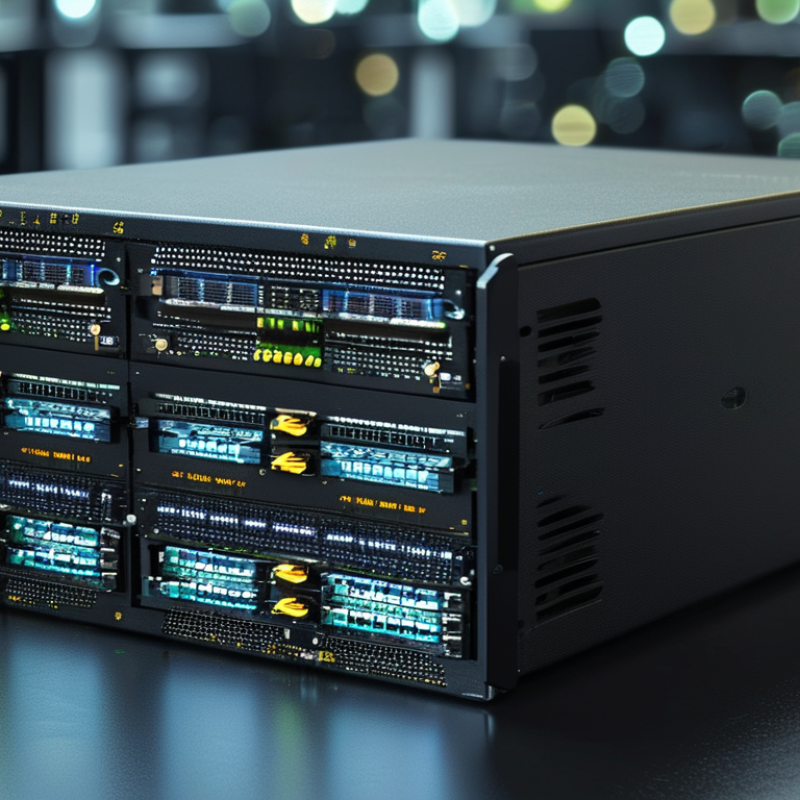
Benefits of 400G Optical Transceivers for High-Speed Networks
In today’s fast-paced digital landscape, the demand for high-speed networks is ever-increasing.
400G optical transceivers stand out as a robust solution to meet these needs. These devices enable rapid data transmission across vast distances, vital for cloud computing and data centers.
The speed offered by 400G transceivers significantly reduces latency, allowing for quicker response times in applications that rely on real-time data processing.
Furthermore, 400G transceivers enhance network efficiency and capacity. They allow more data to be transferred simultaneously, alleviating congestion in busy networks.
This is crucial for businesses that rely on uninterrupted data flow. The increased transmission rates can support more devices without sacrificing performance.
However, operators must consider factors like compatibility and installation challenges. Transitioning to 400G may involve infrastructure upgrades, which can be daunting and expensive.
Adopting 400G technology can also lead to cost savings in the long run. While the initial investment may be substantial, the operational efficiencies gained can lower overall expenses.
As networks evolve, carefully evaluating these elements will ensure that the transition to 400G transceivers aligns with organizational goals.
Balancing speed, capacity, and cost is key to maximizing network performance.
Key Features of 400G Optical Transceivers Explained
400G optical transceivers have become essential in modern networks. Their ability to transmit large amounts of data over long distances is impressive. These transceivers support various protocols, making them versatile for different applications. High bandwidth capabilities are a standout feature, allowing efficient data flow. They can handle the demands of cloud computing and big data analytics effectively.
Low latency is another critical characteristic of 400G transceivers. In real-time applications, every millisecond matters. The ability to minimize delay can significantly enhance performance. They are designed for high reliability. This aspect is crucial for businesses that depend on continuous uptime. However, with advanced features comes complexity. Understanding the specifications and compatibility can be overwhelming for some.
Power consumption is also a concern. While 400G modules can achieve great speeds, they can draw more energy. Evaluating the trade-offs between performance and energy efficiency is vital. Network managers must balance these factors to optimize costs. Ultimately, 400G optical transceivers offer a blend of high performance and advanced technology. Their features can transform a network, but informed decisions are necessary to maximize their potential.
Comparison Between 400G and Lower-Speed Transceivers
When evaluating optical transceivers, 400G models stand out compared to their lower-speed counterparts. According to the latest report from LightCounting, 400G transceivers are rapidly gaining traction in data centers. This growth stems from increasing demands for bandwidth and speed. These transceivers offer four times the speed of 100G models, streamlining data transfer in high-traffic environments.
However, the shift to 400G is not without challenges. Migration from 100G or 200G systems to 400G can require significant investment in infrastructure. Additionally, not all applications may benefit from such high speeds. Some users report that their existing lower-speed systems meet their current needs effectively. This raises questions about the return on investment for organizations.
In terms of performance, 400G transceivers provide lower latency and increased efficiency. A study by Dell'Oro Group noted that 400G technology can reduce overall power consumption by 50%, a critical factor as energy costs rise. Nevertheless, budget constraints and the technical complexity of upgrading systems can lead businesses to hesitate. Flexibility in deployment and future-proofing must be carefully weighed.
Applications of 400G Optical Transceivers in Modern Data Centers
The demand for high-speed data transfer is driving data centers to adopt 400G optical transceivers. These components support massive bandwidth, essential for handling increasing data traffic. Recent studies indicate that global data center traffic will reach 20.6 zettabytes by 2027, highlighting the need for robust solutions.
In modern data centers, 400G optical transceivers have become vital for enhancing performance. They enable faster networking between servers, allowing seamless data flow. Many organizations report that upgrading to 400G reduces latency significantly, leading to improved application performance. The Institute of Electrical and Electronics Engineers (IEEE) predicts that 400G will account for over 30% of the optical transceiver market by 2025.
Despite the advantages, transitioning to 400G technology presents challenges. Cost considerations may deter smaller data centers from upgrading. Additionally, compatibility with existing infrastructure can be an issue. As data centers aim to future-proof their networks, careful planning is necessary. Proper integration of 400G transceivers can yield considerable performance benefits if executed thoughtfully.
Future Trends in 400G Technology and Its Impact on Networking
The shift towards 400G optical technology marks a significant evolution in networking. Research indicates that 400G infrastructure is expected to generate approximately $10 billion by 2025, driven by increasing bandwidth demands. As global internet traffic grows, institutions will benefit from faster, more efficient data transfer.
While 400G technology offers impressive speeds, its implementation can be complex. Transitioning requires considerable investment in compatible hardware and software. Many organizations may struggle with upgrading their existing networks to accommodate these advancements. A report by the International Telecommunication Union highlights that the total cost of ownership is a crucial factor. Companies must carefully analyze not just the purchasing costs, but also the operational expenses involved in maintaining 400G systems.
Another challenge lies in the skill gap. Professionals must be trained to operate and manage this advanced technology effectively. Despite these hurdles, the promise of reduced latency and enhanced performance makes 400G a compelling choice. As we move forward, organizations that invest in this technology stand to gain a competitive edge in a fast-evolving digital landscape.
FAQS
: They are devices that allow rapid data transmission across long distances, crucial for high-speed networks.
They significantly reduce latency and increase network efficiency, enabling more data transfer without performance loss.
Although initial costs are high, long-term savings can result from operational efficiencies gained with 400G technology.
Companies may face compatibility issues, installation challenges, and the need for infrastructure upgrades, which can be costly.
They support massive bandwidth and enhance server connections, leading to improved application performance.
Research suggests it will generate around $10 billion by 2025 due to rising bandwidth demands.
Organizations need trained professionals to manage and operate advanced 400G systems effectively.
Balancing costs, performance, and compatibility with existing systems is crucial for a successful transition to 400G.
Reduced latency leads to quicker response times, vital for applications that depend on real-time data processing.
Cost concerns may hold them back despite the advantages, making careful planning essential for upgrades.
Conclusion
The article "Why Choose 400G Optical Transceivers for Your Network Needs?" highlights the significant advantages of adopting 400G optical transceivers in modern networking environments. These high-speed devices enable faster data transfer rates, improving overall network efficiency and performance. Key features such as increased bandwidth and reduced latency are essential for supporting the demands of contemporary data centers operating at unprecedented scales.
Furthermore, the article compares 400G optical transceivers with their lower-speed counterparts, illustrating the superiority of 400G in meeting today's high-bandwidth applications. It explores various use cases within data centers and anticipates future trends in 400G technology that will continue to influence networking infrastructure. By choosing 400G optical transceivers, organizations can better prepare for the evolving challenges of data communication and stay ahead in the rapidly advancing digital landscape.

 Novafiber