2026 Best 200G Optical Transceiver for Global Buyers?

Time:2026-08-03 Author:Amelia
0%

In an era where data transmission speeds are paramount, the 200G optical transceiver stands at the forefront of innovation. Industry expert Dr. Emily Chen, a leading figure in optical networking, emphasizes, "The 200G optical transceiver is revolutionizing how we connect." As technology continues to evolve, global buyers must understand the significance of these devices.

These transceivers support higher bandwidths, crucial for robust communication networks. Their role in enhancing data center efficiency and reducing latency cannot be overstated. However, while many products promise high performance, not all deliver on their claims. Buyers should be discerning and prioritize reliability and quality.

Navigating the market requires expertise and awareness. The 200G optical transceiver landscape is filled with choices. Some manufacturers offer impressive specifications yet may lack proven reliability. As this industry grows, staying informed and making thoughtful decisions is essential for optimal value.
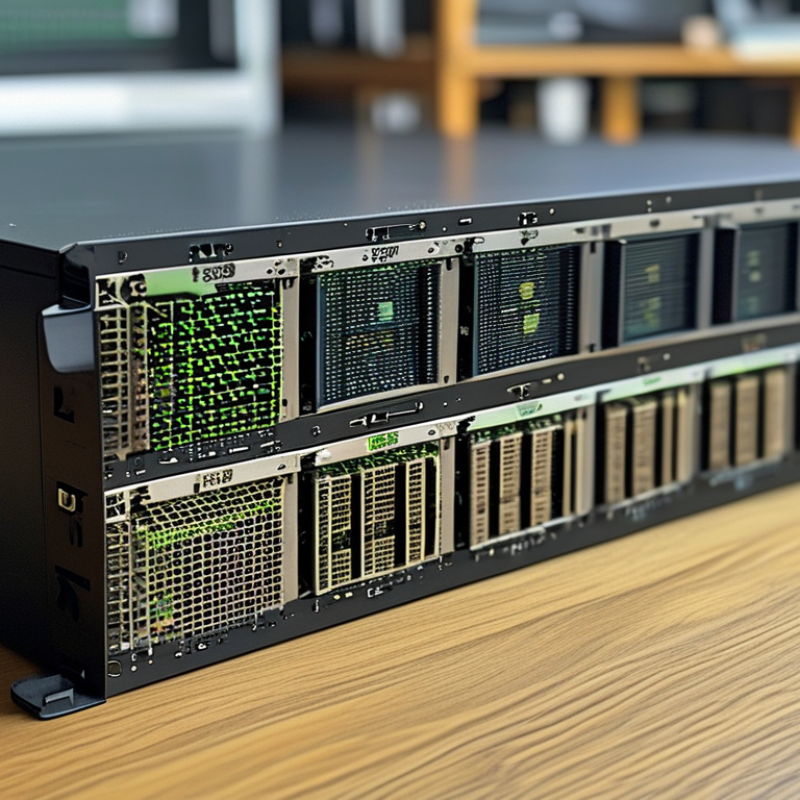
2026 Best 200G Optical Transceiver for Global Buyers?

2026 Overview of 200G Optical Transceivers in the Global Market

The global market for 200G optical transceivers has seen significant growth recently. These transceivers are vital for high-speed data transmission. Organizations are increasingly adopting them to meet the rising demand for bandwidth. The shift towards data centers and cloud services drives this trend. However, not all transceivers perform equally.

Many buyers face challenges when selecting the right product. The variety of options can be overwhelming. Factors such as compatibility, price, and performance must be considered carefully. Issues like latency and network efficiency are often overlooked. This oversight can lead to problems in real-world applications.

Emerging technologies also influence the 200G market. Innovations in photonic integration promise higher performance. Yet, potential buyers must be cautious. There are concerns about reliability and support from manufacturers. Gathering experiences from industry experts is crucial for informed decisions. Overall, understanding these dynamics can guide purchasers toward effective choices.

2026 Best 200G Optical Transceiver for Global Buyers

Model Transmission Distance (km) Form Factor Interface Type Power Consumption (W) Operating Temperature (°C)
Transceiver A 80 QSFP+ MTP/MPO 3.5 -5 to 70
Transceiver B 40 QSFP28 LC 4.0 -10 to 75
Transceiver C 120 CFP2 LC 5.5 0 to 70
Transceiver D 30 SFP28 LC 2.5 -20 to 80
Transceiver E 100 QSFP-DD MTP/MPO 6.0 -5 to 70

Key Features and Specifications of Top 200G Optical Transceivers

When considering the best 200G optical transceivers, certain features stand out. A reliable 200G transceiver should support various protocols, ensuring compatibility with existing systems. Look for options that offer low latency and high bandwidth. This ensures smooth data transmission across networks.

Power consumption is another crucial aspect. Efficient transceivers consume less power, which is essential for large-scale data centers. Security features also matter. Enhanced security measures can protect data integrity during transmission. Users often overlook these points when choosing a transceiver.

Another feature to consider is the form factor. Different environments may require specific designs. Compatibility with different rack systems can also affect installation. Keep in mind that future-proofing is essential. Choosing a transceiver capable of integrating with emerging technologies can save costs in the long run. Reflecting on these aspects can lead to better purchasing decisions.

Leading Brands and Manufacturers of 200G Optical Transceivers

In the fast-evolving world of optical communication, 200G optical transceivers are revolutionizing data transmission. These devices enable high-speed connectivity, essential for data centers and telecom networks. Leading manufacturers have invested significantly in research and development to enhance the performance of these transceivers. Reliability remains a critical factor when selecting a 200G optical transceiver. Buyers must consider various specifications, including power consumption and range.


Several brands have carved out a reputation for producing quality optical transceivers. However, not every product on the market meets industry standards. It is essential for buyers to scrutinize product details and user reviews. Sometimes, even reputable brands experience inconsistencies in performance. This raises questions about quality control in manufacturing practices.


Potential buyers should also be aware of the changing technological landscape. New advancements are continuously emerging, leading to shorter product lifecycles. This makes it challenging to determine the best options. While some transceivers may promise superior performance, actual user experiences can vary widely. Investing in a reliable optical transceiver requires careful consideration and informed decision-making.

Comparative Analysis of Performance and Cost for 200G Options

The demand for 200G optical transceivers is on the rise as networks evolve. Buyers face various options, each offering unique features and pricing. This comparative analysis focuses on performance metrics, such as latency and bandwidth, alongside cost considerations.

One key factor is the balance between performance and price. Some transceivers promise high data rates but may come with a hefty price tag. Others provide solid performance at a lower cost, creating a dilemma for budget-conscious buyers. Evaluating specifications like power consumption and operating range is crucial. Buyers must determine which features align best with their needs.

A common pitfall is overlooking long-term costs. While a cheaper option may seem appealing initially, maintenance and longevity play vital roles. Buyers often reflect on their choices—what seemed like a good deal can lead to regrets later. Thorough research, coupled with a clear understanding of requirements, is essential for making informed purchasing decisions.

Future Trends and Innovations in 200G Optical Transceiver Technology

The realm of 200G optical transceivers is evolving rapidly. Innovations are addressing the demands for higher bandwidth and lower latency. Emerging technologies include advanced modulation formats and compact designs. These innovations enhance capacity while minimizing space requirements.

Future trends indicate a shift towards integration and scalability. Manufacturers are focusing on increasing interoperability between different networks. This will ensure seamless data transfer across various systems. As networks grow, flexibility will be crucial. Adapting to diverse environments will become a priority.

Tips: When considering a transceiver, evaluate your current and future needs. Look for options that offer compatibility and scalability. Investing in versatile solutions can save costs in the long run. Also, keep an eye on energy efficiency. Green technology is becoming increasingly important in optical communication.

FAQS

: What are 200G optical transceivers used for?

: They are essential for high-speed data transmission in data centers and cloud services.

What should buyers consider when choosing a 200G optical transceiver?

Compatibility, price, performance, latency, and network efficiency are key factors to evaluate.

Why is power consumption important for optical transceivers?

Efficient transceivers use less power, which is vital for large-scale operations and cost savings.

What are common pitfalls when selecting a transceiver?

Many overlook latency and network efficiency, which can lead to operational issues later.

How can future-proofing impact my choice of a transceiver?

Selecting a transceiver that integrates with emerging technologies can reduce future costs.

Why is reliability a significant concern for buyers?

Even reputable products may have performance inconsistencies, raising questions about quality control.

What role do security features play in transceivers?

Enhanced security measures protect data integrity during transmission, which shouldn't be ignored.

What is the impact of technological advancements on 200G optical transceivers?

New advancements lead to shorter product lifecycles, complicating the selection process.

How can user reviews assist in the purchasing decision?

They provide insights into actual performance, helping buyers avoid subpar products.

What common mistakes do buyers make regarding product selection?

Relying solely on brand reputation without checking specifications and user experiences can be risky.

Conclusion

The article provides a comprehensive overview of the 200G optical transceiver market as it stands in 2026. It explores the key features and specifications that differentiate leading models, emphasizing aspects such as bandwidth capacity, power consumption, and interoperability. A comparative analysis highlights the performance metrics and cost-effectiveness of various 200G optical transceiver options available to buyers globally.

Additionally, the article discusses prominent manufacturers driving innovation in this sector and identifies future trends that are poised to shape the technology landscape, including advancements in integration and miniaturization. As demand for higher bandwidth and faster data transmission continues to rise, understanding the capabilities and evolving designs of 200G optical transceivers will be crucial for informed purchasing decisions.

Amelia

Amelia

Amelia is a seasoned marketing professional with a wealth of expertise in our company’s core offerings. With an unwavering passion for driving growth and innovation, she plays a pivotal role in shaping our marketing strategies and enhancing brand visibility. A key aspect of her responsibilities......